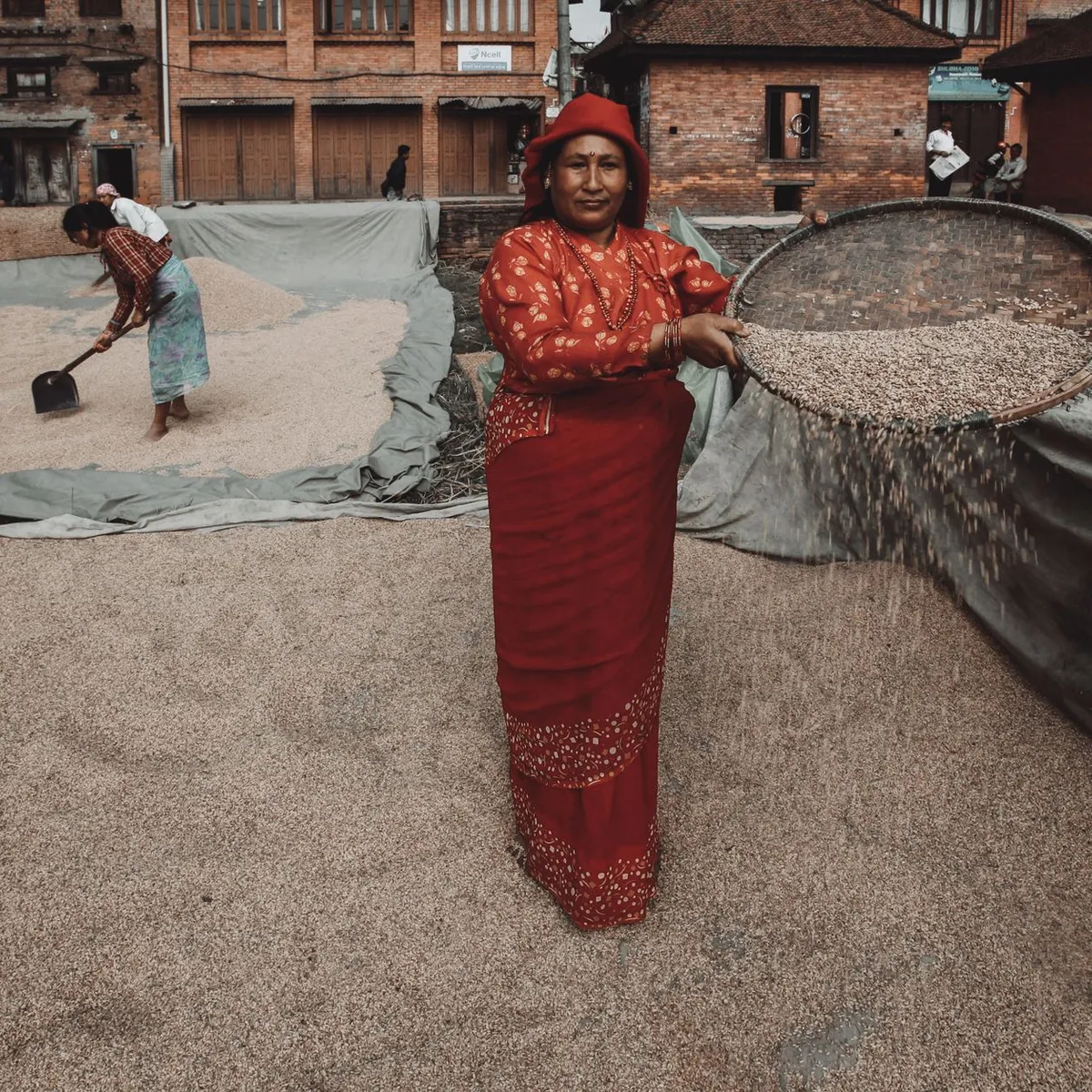
 Photo: Mehmet Turgut Kirkgoz / Pexels
Pātan
Pātan accessibility for wheelchair users
Compare Pātan by accessibility, transport, terrain, healthcare, cost, weather, laws, reviews, and community notes.
Pātan accessibility scores
Compare Pātan by accessibility, transport, terrain, healthcare, cost, weather, and laws. General stats use public data and models. Community rows reflect member reviews and votes.
General stats
National benchmarks and estimates — your experience in this city may differ.
Community
Starts from our estimate — thumbs up nudge toward Excellent, down toward Poor. Reviews use 1–5 stars.
These figures combine public statistics, models, and live weather where available. Every city is different — treat this as a guide, and share what you know in the Reviews & Corrections tab.
Profile last updated 7/1/2026.
Pātan wheelchair accessibility guide
Research Pātan for wheelchair users and caregivers: getting around, terrain, healthcare, costs, climate, accessible things to do, and practical caveats before booking.
Last updated 7/1/2026At a glance
Pātan, also known as Lalitpur, is one of Nepal’s major Kathmandu Valley cities and has some of the strongest cultural reasons to visit in this batch. Patan Durbar Square is documented as a UNESCO World Heritage component and a center of Newa architecture, and Patan Museum is housed in the palace complex. Accessibility is the hard part: the live row scores terrain and wheelchair transport low, and the terrain profile is very hilly with a large elevation range. A wheelchair user can still build a rewarding visit, but only with short routes, help over thresholds, and realistic expectations around brick paving and temple steps.
Getting around
Do not rely on accessible public transport. Use a pre-arranged van or taxi and minimize transfers. In the Durbar Square core, expect red brick paving, narrow approaches, crowds, occasional vehicle conflict, and many heritage thresholds. For manual wheelchair users, a companion is strongly recommended; powered chair users should check battery range and turning space because old courtyards can be tight. Hotel location matters: being close to the square may reduce vehicle transfers, but old-town lanes can still be difficult.
Terrain & mobility
The DB terrain profile is a clear warning: very hilly, high maximum grade, and only a minority of sampled points flat. The pavement profile is medium confidence and shows a mix of asphalt, dirt, paved, and untagged ways. The historic square itself is famous for brick and stone surfaces, which may be bumpy even when technically step-free. Wet monsoon months can make surfaces slippery and drainage uneven.
Healthcare & care
OpenStreetMap lists hospitals and clinics within several kilometers, including Patan-area hospitals and larger Kathmandu Valley facilities. Treat the list as a starting point only. Confirm emergency access, entrance ramps, lifts, and whether a facility can handle your specific condition. Travelers needing personal care, hoist transfers, or pressure-care supplies should arrange support before arrival; do not assume equipment rental is easy.
Costs & housing
The stored estimate is from ~$1,564/mo, with housing around $644/mo. Cost is a strength, but accessible housing supply is the risk. Ask hotels for exact entrance photos, lift availability, bathroom layout, shower threshold, bed height, and whether the route from street to room avoids steps. Heritage guesthouses can be charming but often have stairs and compact bathrooms.
Climate & comfort
The stored climate pattern shows a heavy monsoon from roughly May through September, with July and August especially wet. Dry-season travel is more comfortable for wheelchair users because brick lanes, steep approaches, and unpaved patches are easier to manage.
Accessible things to do
Patan Durbar Square— A major heritage square and UNESCO component; plan for brick paving, crowds, and temple steps, and focus on exterior viewing where interiors are not accessible.
Patan Museum— Official museum sources place it inside the palace complex; verify current ramp/threshold access before visiting, but it is one of the clearest cultural anchors.
Keshav Narayan Chowk— The museum site describes this courtyard setting; access may involve thresholds, so treat it as a check-on-arrival stop.
Golden Temple/Hiranya Varna Mahavihar area— A well-known Patan heritage site; narrow approaches and steps are likely, so exterior viewing with assistance may be the realistic option.
Durbar-area cafés and craft shops— Choose venues only after seeing entrance steps and toilet access; the area can still work for a seated rest stop if picked carefully.
Community & language
Nepali and Newar are important locally; English is common in tourism settings but less reliable for drivers or medical logistics. Written hotel confirmations help.
Would we recommend it?
Yes for culture-focused travelers with assistance and careful routing. It is not an easy wheelchair city, but its heritage concentration can make a short, planned visit worthwhile.
These figures combine public statistics, models, and live weather where available. Every city is different — treat this as a guide, and share what you know in the Reviews & Corrections tab.
Profile last updated 7/1/2026.
Reviews & corrections
Share your experience or suggest a data correction. Both appear publicly; admin updates official city scores and costs separately.
Log in to write a review or suggest a correction.
No reviews or corrections yet.