 Photo: Tappiah Sesay / Pexels
Pétionville
Pétionville accessibility for wheelchair users
Compare Pétionville by accessibility, transport, terrain, healthcare, cost, weather, laws, reviews, and community notes.
Pétionville accessibility scores
Compare Pétionville by accessibility, transport, terrain, healthcare, cost, weather, and laws. General stats use public data and models. Community rows reflect member reviews and votes.
General stats
National benchmarks and estimates — your experience in this city may differ.
Community
Starts from our estimate — thumbs up nudge toward Excellent, down toward Poor. Reviews use 1–5 stars.
These figures combine public statistics, models, and live weather where available. Every city is different — treat this as a guide, and share what you know in the Reviews & Corrections tab.
Profile last updated 7/1/2026.
Pétionville wheelchair accessibility guide
Research Pétionville for wheelchair users and caregivers: getting around, terrain, healthcare, costs, climate, accessible things to do, and practical caveats before booking.
Last updated 7/1/2026At a glance
Pétionville is the hillier, higher-elevation side of the Port-au-Prince metro area, with restaurants, galleries, hotels, clinics, and embassy-oriented services clustered above the capital. For wheelchair users it should be treated as a high-friction, plan-heavy base rather than an easy independent destination. RollVenture’s row shows a moderate overall score but low terrain and access indicators: very hilly terrain, mixed pavement, limited ramp availability, and a monthly living estimate from ~$3,331/mo. The main upside is that services are concentrated, so a traveler with a trusted driver, local fixer, and pre-checked lodging may be able to keep distances short.
Getting around
Do not assume spontaneous accessible transport. Use a prearranged private vehicle, ideally one that can carry a folding chair and wait during appointments. Tap-taps, informal taxis, broken sidewalks, drainage channels, steep driveways, and security disruptions can make curb-to-door movement the hard part of the day. Keep hospital, lodging, and errands within the same part of Pétionville where possible.
Terrain & mobility
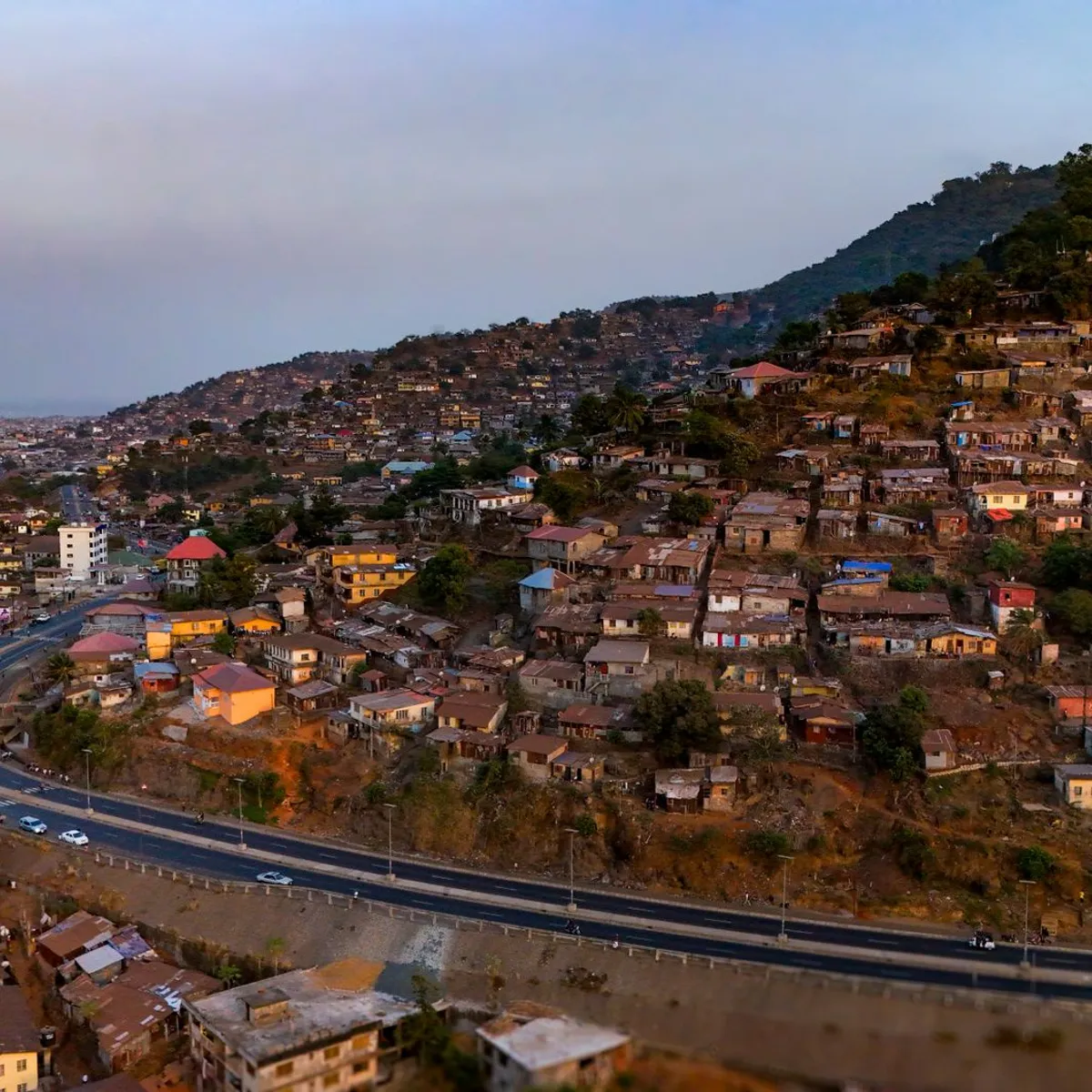
This is the main drawback. The city sits on steep slopes above Port-au-Prince; the stored terrain profile flags “Very Hilly,” with a high sampled grade and only about a third of samples classed as flat. Pavement data is better than in some Haitian cities but still mixed, including dirt and gravel segments. Manual wheelchair users should expect pushing assistance; power-chair users should verify entrance slopes, backup power, and vehicle loading.
Healthcare & care
The local healthcare profile lists Citymed Petion-Ville very near the center, plus Centre Materno-Chirurgical and French Hospital as nearby hospital leads. Treat these as OpenStreetMap leads, not guarantees: call ahead about step-free entry, elevators, imaging, emergency capacity, payment method, and whether a companion can stay. Bring medication buffers and confirm evacuation or specialist-care plans before choosing a longer stay.
Costs & housing
The database estimate is from ~$3,331/mo, with housing the largest component. Accessible housing is likely the bottleneck: newer hotels and serviced apartments may be more realistic than older homes on steep lanes. Ask for photos or video of the full route from street to bedroom and bathroom, not just the room.
Climate & comfort
Pétionville is cooler than lower Port-au-Prince but still tropical, humid, and hurricane-season exposed. Heavy rain can quickly worsen slopes, potholes, and drainage. Plan shorter outing windows, avoid night transfers where possible, and keep charging options for mobility equipment.
Accessible things to do
Place Saint-Pierre area— A central outdoor reference point in Pétionville. It may be one of the easier short, low-time stops if your driver can drop close to the plaza, but surface condition and security should be checked that day.
Galerie Nader / local gallery visits— Pétionville is known for Haitian art galleries. Gallery visits can be more manageable than long outdoor sightseeing, but call first for entrance steps, interior width, and parking.
El-Saieh Gallery / art shopping route— Another art-focused stop to verify locally. Use it as a seated, short-duration outing rather than assuming fully accessible gallery infrastructure.
Boutilliers viewpoint drive— The hillside viewpoint above the city can be done mostly as a vehicle-based scenic outing. Confirm road condition, safe timing, and whether there is a step-free place to sit or view.
Community & language
Haitian Creole and French dominate; English is more common in hotels, NGOs, and some clinics than in informal transport. A local helper is not optional for most wheelchair users. Community warmth can be high, but infrastructure and security planning matter more than friendliness alone.
Would we recommend it?
Only for experienced travelers with local support, pre-vetted accommodation, and a clear medical/security plan. Pétionville can work for short, purpose-driven stays, but it is not a low-stress accessibility destination.
These figures combine public statistics, models, and live weather where available. Every city is different — treat this as a guide, and share what you know in the Reviews & Corrections tab.
Profile last updated 7/1/2026.