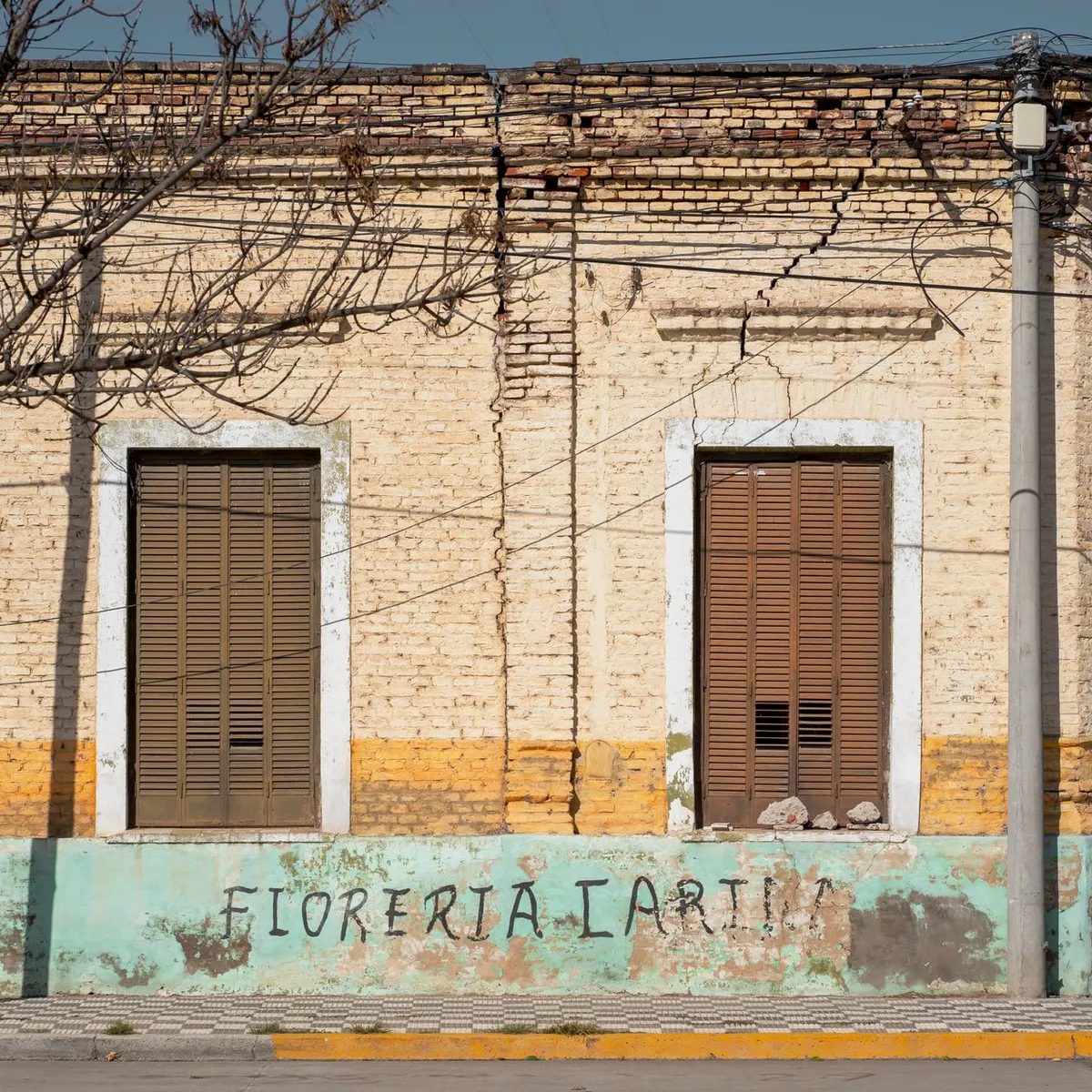
 Photo: Tomás Asurmendi / Pexels
Pilar
Pilar accessibility for wheelchair users
Compare Pilar by accessibility, transport, terrain, healthcare, cost, weather, laws, reviews, and community notes.
Pilar accessibility scores
Compare Pilar by accessibility, transport, terrain, healthcare, cost, weather, and laws. General stats use public data and models. Community rows reflect member reviews and votes.
General stats
National benchmarks and estimates — your experience in this city may differ.
Community
Starts from our estimate — thumbs up nudge toward Excellent, down toward Poor. Reviews use 1–5 stars.
These figures combine public statistics, models, and live weather where available. Every city is different — treat this as a guide, and share what you know in the Reviews & Corrections tab.
Profile last updated 6/30/2026.
Pilar wheelchair accessibility guide
Research Pilar for wheelchair users and caregivers: getting around, terrain, healthcare, costs, climate, accessible things to do, and practical caveats before booking.
Last updated 6/30/2026At a glance
Pilar is a mostly flat outer-metro municipality northwest of Buenos Aires, better for wheelchair users who can arrange door-to-door transport than for someone relying on spontaneous public access. The live city row is empty and the database profile is mixed: terrain is strongly favorable, with a mostly flat label, but pavement confidence is low and the transport score is modest. Treat it as a practical suburban base with medical and shopping leads, not as a dense walkable historic centre.
Getting around
Plan around remis, taxi, app rides, or an adapted private transfer. Local buses and rail links can be useful for companions, but step-free boarding, sidewalk continuity, and kerb ramps should be checked route by route before relying on them. For wheelchair users, the safest pattern is to stay close to the places you need, confirm vehicle space in Spanish, and keep extra time for gated-community roads and traffic between Pilar and Buenos Aires.
Terrain & mobility
The terrain profile is Pilar’s strongest point: the database sample shows mostly flat ground, low elevation variation, and no meaningful hill penalty. The catch is surface quality. OSM pavement confidence is low, with many roads untagged or unpaved, so a flat route may still include broken shoulders, gravel access, or missing crossings. Prioritize newer commercial corridors and municipal civic areas over rural edges.
Healthcare & care
Healthcare leads in the database include **Clínica Nuestra Señora de Fátima**, **Hospital del Pilar**, Unidad Sanitaria Villa Verde, Centro de Salud Villa Rosa, and Sala de Primeros Auxilios Manuel Gurmendi. These are OSM-derived leads, not verified accessibility guarantees, so call before arrival to confirm entrance ramps, lift access, imaging access, and whether a companion can help with transfers. Estimated care costs are from ~$122/mo medical and ~$423/mo home aid.
Costs & housing
The database estimate is from ~$1,657/mo overall, including about $507 housing, $178 transport, $122 medical, and $423 home aid. Those numbers make Pilar look cheaper than central Buenos Aires, but accessible housing can narrow the gap quickly. Ask for photos of bathroom doors, shower thresholds, elevator dimensions, pavement from parking to entrance, and backup power if lifts are involved.
Climate & comfort
Summers can be hot and humid, while winter is usually mild but damp. Shade, air conditioning, and mosquito control matter more than heating. After heavy rain, low-lying suburban roads and unpaved approaches may become harder for small front casters, so confirm drainage around housing and clinics.
Accessible things to do
Municipio Pilar tourism circuit— the municipal tourism page lists “Lugares de interés” and cultural proposals; use it as the official starting point, then confirm each venue’s entrance and restroom access.
Pilar town centre / civic area— a practical low-slope area for errands, cafés, and orientation; verify kerb cuts block by block because sidewalk quality is inconsistent.
Parroquia Nuestra Señora del Pilar area— a central landmark and meeting point; treat interior access as unverified and enjoy the plaza surroundings if steps are present.
Shopping and dining corridors— newer malls and restaurant clusters are more likely than older streets to have parking, ramps, and level interiors, but still confirm accessible toilets.
Community & language
Spanish is essential for arranging transport and care. Tourism staff and private clinics may manage basic English, but daily errands will be smoother with translated notes about wheelchair dimensions, transfer needs, and medication names.
Would we recommend it?
Yes, cautiously, for people who want a flatter, lower-cost suburban base near Buenos Aires and can arrange private transport. We would not recommend Pilar as a first-choice car-free wheelchair destination without a local contact and verified housing.
These figures combine public statistics, models, and live weather where available. Every city is different — treat this as a guide, and share what you know in the Reviews & Corrections tab.
Profile last updated 6/30/2026.
Reviews & corrections
Share your experience or suggest a data correction. Both appear publicly; admin updates official city scores and costs separately.
Log in to write a review or suggest a correction.
No reviews or corrections yet.