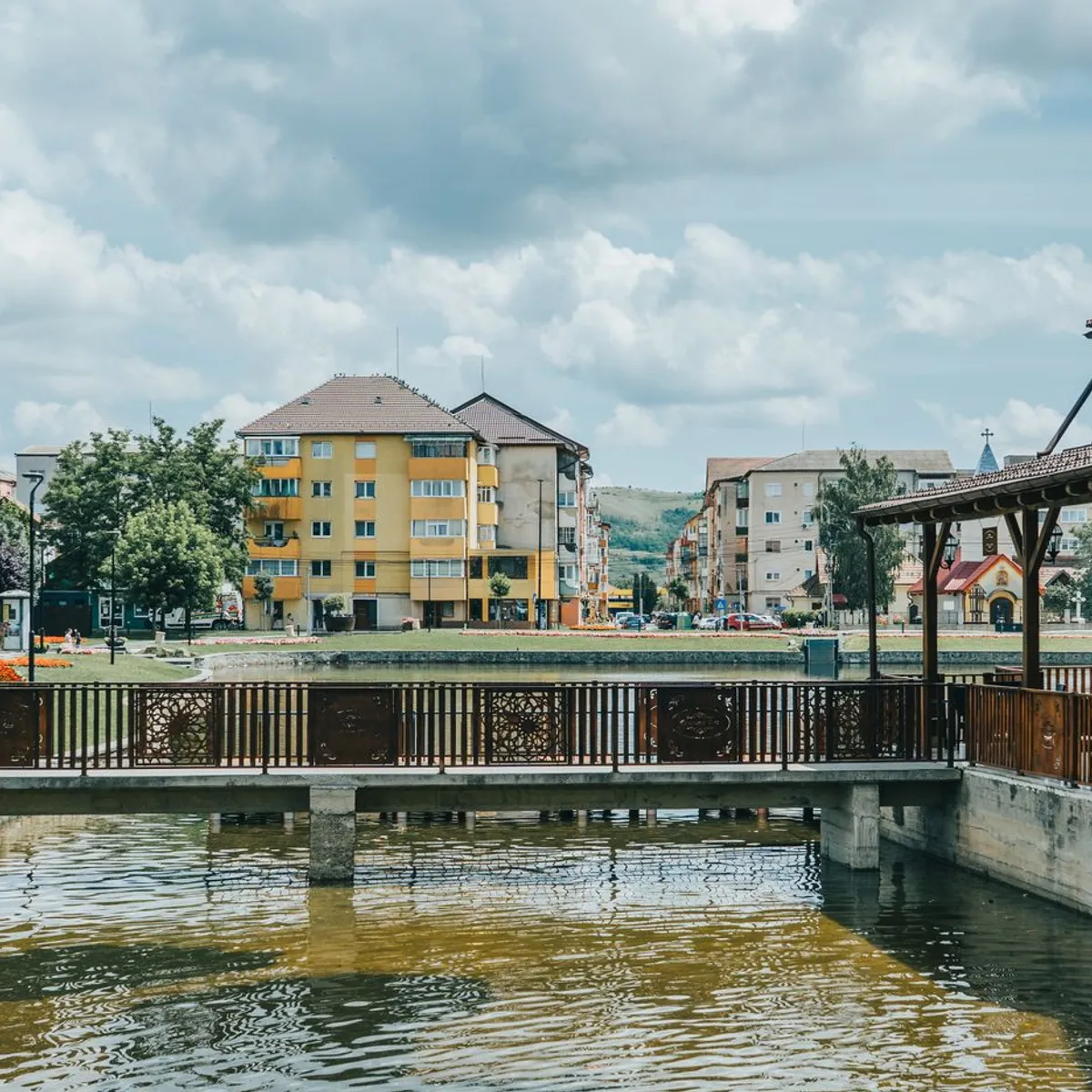
 Photo: Alex Hoces / Pexels
Ploieşti
Ploieşti accessibility for wheelchair users
Compare Ploieşti by accessibility, transport, terrain, healthcare, cost, weather, laws, reviews, and community notes.
Ploieşti accessibility scores
Compare Ploieşti by accessibility, transport, terrain, healthcare, cost, weather, and laws. General stats use public data and models. Community rows reflect member reviews and votes.
General stats
National benchmarks and estimates — your experience in this city may differ.
Community
Starts from our estimate — thumbs up nudge toward Excellent, down toward Poor. Reviews use 1–5 stars.
These figures combine public statistics, models, and live weather where available. Every city is different — treat this as a guide, and share what you know in the Reviews & Corrections tab.
Profile last updated 7/2/2026.
Ploieşti wheelchair accessibility guide
Research Ploieşti for wheelchair users and caregivers: getting around, terrain, healthcare, costs, climate, accessible things to do, and practical caveats before booking.
Last updated 7/2/2026At a glance
Ploieşti is a practical, rail-connected city north of Bucharest with a strong industrial history and a compact core. RollVenture’s row scores it better for cost and pavement than for accessibility, so it suits wheelchair users who can plan around uneven curbs, older public buildings, and taxi transfers. The city is not a polished barrier-free destination, but it has enough museums, markets, parks, and medical leads to make a short stay workable.
Getting around
Ploieşti is useful as a base because it has strong rail links and a central grid, but do not assume step-free transport. Plan point-to-point rides for late evenings, medical appointments, or rainy days. If using buses or trams, verify vehicle floor height and stop conditions locally; the DB wheelchair-transport score is middling rather than reassuring. Hotels near the center reduce transfer risk.
Terrain & mobility
The terrain profile is hilly on paper, with a 218 m sampled elevation range, but the central samples were mostly flat and the pavement profile is high-confidence with 85% good tagged surfaces. That is promising for short central rolls around museums and boulevards, though older sidewalks, parked cars, roadworks, and market crowds can still force detours. Bring tire-friendly route flexibility rather than relying on one perfect curb-cut chain.
Healthcare & care
OSM healthcare leads include Clinica Uromed, Novus Medical, Gral Medical, and Hyperclinica MedLife within about a kilometer of the center. Treat these as leads only: confirm specialties, entrance access, elevator availability, language support, and appointment rules before relying on them. DB monthly medical and home-aid estimates are relatively moderate, but private-provider coordination is still the safer plan.
Costs & housing
DB costs suggest living from ~$2,021/mo, with housing from ~$870/mo. Short-stay accessible housing should be verified by photos and questions about elevator width, step-free bathroom entry, shower threshold, heating, and street approach. A central apartment can save transport effort, but a newer building on a less charming street may be more usable than an older historic address.
Climate & comfort
Expect continental seasons: hot summers, cold winters, and wet or icy periods that can make curb ramps and side streets less reliable. Winter visitors should prioritize step-free entries, indoor routes, and backup taxis. Summer is easier for rolling, but shade and rest stops matter on longer museum-and-market days.
Accessible things to do
Nicolae Simache Clock Museum / central museum area— Ploieşti is known for distinctive museums, including the Clock Museum mentioned in city sources. Verify ramp/elevator details before visiting, but the central location makes it a reasonable low-distance target.
National Oil Museum / petroleum heritage stops— The city’s oil-refining history is a core part of its identity. Treat museum accessibility as building-specific and call ahead.
Cathedral of St. John the Baptist— Wikivoyage lists the cathedral as a major Neo-Brâncoveanu landmark. Exterior viewing and the nearby streets are likely the safest low-barrier version if entrance access is uncertain.
Central Market Halls— Wikivoyage describes the 1930s market halls as a distinctive landmark. Go at quieter hours; crowds and thresholds may be the main barriers.
Bucov Park— Wikivoyage notes this park outside the city with zoo and botanical gardens. Use a car/taxi and verify internal path conditions.
Community & language
Romanian is the daily language; younger service staff may speak some English, but medical and housing arrangements are easier with written Romanian questions. Disability access is improving but inconsistent, so direct confirmation beats generic assurances.
Would we recommend it?
Yes, cautiously, for budget-minded travelers who want a Romanian base near Bucharest and can manage older urban infrastructure. It is not a first-choice independent wheelchair destination, but with central lodging, verified healthcare, and taxi backup, Ploieşti can be workable.
These figures combine public statistics, models, and live weather where available. Every city is different — treat this as a guide, and share what you know in the Reviews & Corrections tab.
Profile last updated 7/2/2026.