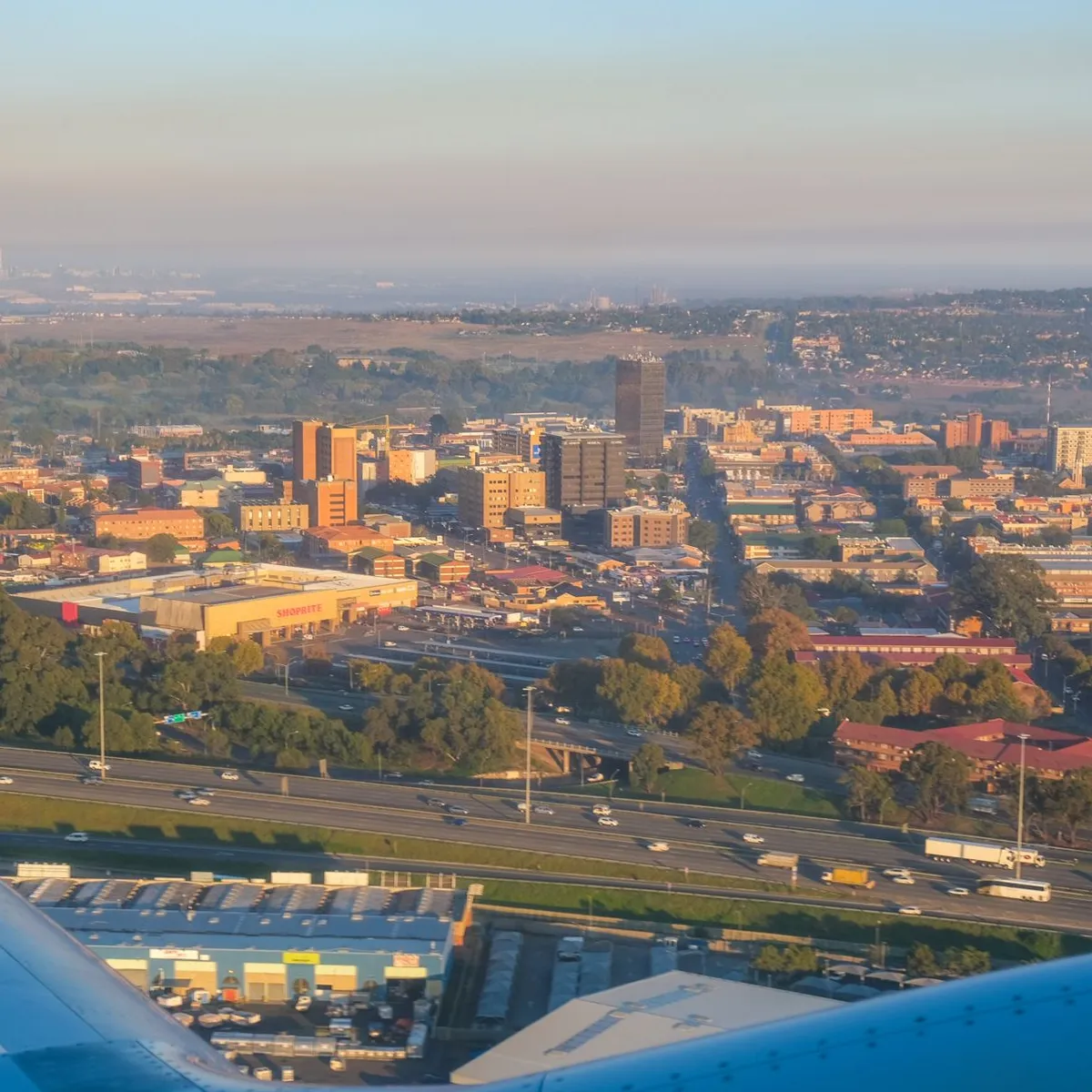
 Photo: Magda Ehlers / Pexels
Polokwane
Polokwane accessibility for wheelchair users
Compare Polokwane by accessibility, transport, terrain, healthcare, cost, weather, laws, reviews, and community notes.
Polokwane accessibility scores
Compare Polokwane by accessibility, transport, terrain, healthcare, cost, weather, and laws. General stats use public data and models. Community rows reflect member reviews and votes.
General stats
National benchmarks and estimates — your experience in this city may differ.
Community
Starts from our estimate — thumbs up nudge toward Excellent, down toward Poor. Reviews use 1–5 stars.
These figures combine public statistics, models, and live weather where available. Every city is different — treat this as a guide, and share what you know in the Reviews & Corrections tab.
Profile last updated 7/1/2026.
Polokwane wheelchair accessibility guide
Research Polokwane for wheelchair users and caregivers: getting around, terrain, healthcare, costs, climate, accessible things to do, and practical caveats before booking.
Last updated 7/1/2026At a glance
Polokwane is one of the more practical choices in this batch: a provincial capital, a transport hub, and a city with several verified cultural and nature attractions. RollVenture estimates living costs from ~$1,987/mo, and the city scores better on infrastructure than many same-size rows. The accessibility picture is still mixed: South African legal context and larger malls/venues help, but sidewalks, minibus/taxi transfers, and cross-town transport need local checking.
Getting around
Polokwane is connected by major roads, intercity buses, rail, and Polokwane International Airport. Public information confirms private bus services and regional road links, but it does not prove a citywide wheelchair-accessible public transport system. For a wheelchair user, the safest plan is a private accessible transfer where possible, hotel-arranged taxi support, and short clusters of activities rather than many cross-city hops. Ask operators specifically about ramp/lift availability and whether vehicles can handle a rigid chair.
Terrain & mobility
OpenTopoData marks the city as hilly plateau terrain, with a sampled maximum grade near 3% and an elevation range around 210 m. That means local slopes exist but are usually less extreme than in mountain cities. The encouraging part is pavement: OSM sampling is high confidence and shows a high share of good tagged surfaces, mostly asphalt. Still, the DB ramp score is only 44, so a smooth road network does not guarantee curb cuts, accessible entrances, or safe crossings.
Healthcare & care
OSM healthcare leads include Mediclinic Limpopo, Limpopo Medical Centre, Polokwane Provincial Hospital, and other clinics. Mediclinic and provincial-hospital naming suggests a stronger care ecosystem than in smaller towns, but the guide cannot guarantee wheelchair-ready rooms, rehabilitation, or equipment supply. Book medical appointments in advance, confirm emergency access, and ask whether the facility has accessible bathrooms and transfer space.
Costs & housing
The city is estimated from ~$1,987/mo, with housing around $776/mo. For medium-term stays, Polokwane may be easier than smaller Limpopo towns because it has malls, hospitals, and services concentrated in a provincial capital. Housing checks should focus on step-free parking-to-room access, backup power/water arrangements, bathroom layout, and whether the property is in a suburb where taxis can reliably find the entrance.
Climate & comfort
The climate is warm and generally dry, with summer rains and a dry winter. DB climate data averages about 18.4°C annually and shows no snow, which is a major comfort advantage over northern Eurasian options. Heat, sun exposure, and summer storms are the main environmental issues; covered drop-offs and reliable air conditioning matter.
Accessible things to do
Polokwane Game Reserve— A major nature option close to the city; best approached as a drive-through or vehicle-supported visit, with toilets and trail surfaces checked before arrival.
Bakone Malapa Northern Sotho Open-Air Museum— A named cultural site about Bakone life and craft; call ahead because open-air heritage sites can involve uneven ground.
Hugh Exton Photographic Museum— A central cultural stop in a former church building; verify entrance thresholds and interior circulation.
Polokwane Art Museum / city art gallery— Public sources describe an extensive art collection; likely easier than outdoor sites if entrance access is confirmed.
Mall of the North— A practical accessible-day anchor for food, pharmacy, toilets, and weather protection; verify accessible parking and lift locations.
Community & language
English is widely useful for services, with Sepedi/Northern Sotho and Afrikaans also present locally. Polokwane is a working provincial city rather than a resort, so disability access may be handled case-by-case; clear phone calls before visits will save energy.
Would we recommend it?
Yes, with planning. Polokwane has enough services, healthcare leads, and low-snow climate to be viable for wheelchair users who can arrange private transport. It is not a carefree roll-everywhere destination, but it has a better practical base than many similarly sized inland cities.
These figures combine public statistics, models, and live weather where available. Every city is different — treat this as a guide, and share what you know in the Reviews & Corrections tab.
Profile last updated 7/1/2026.