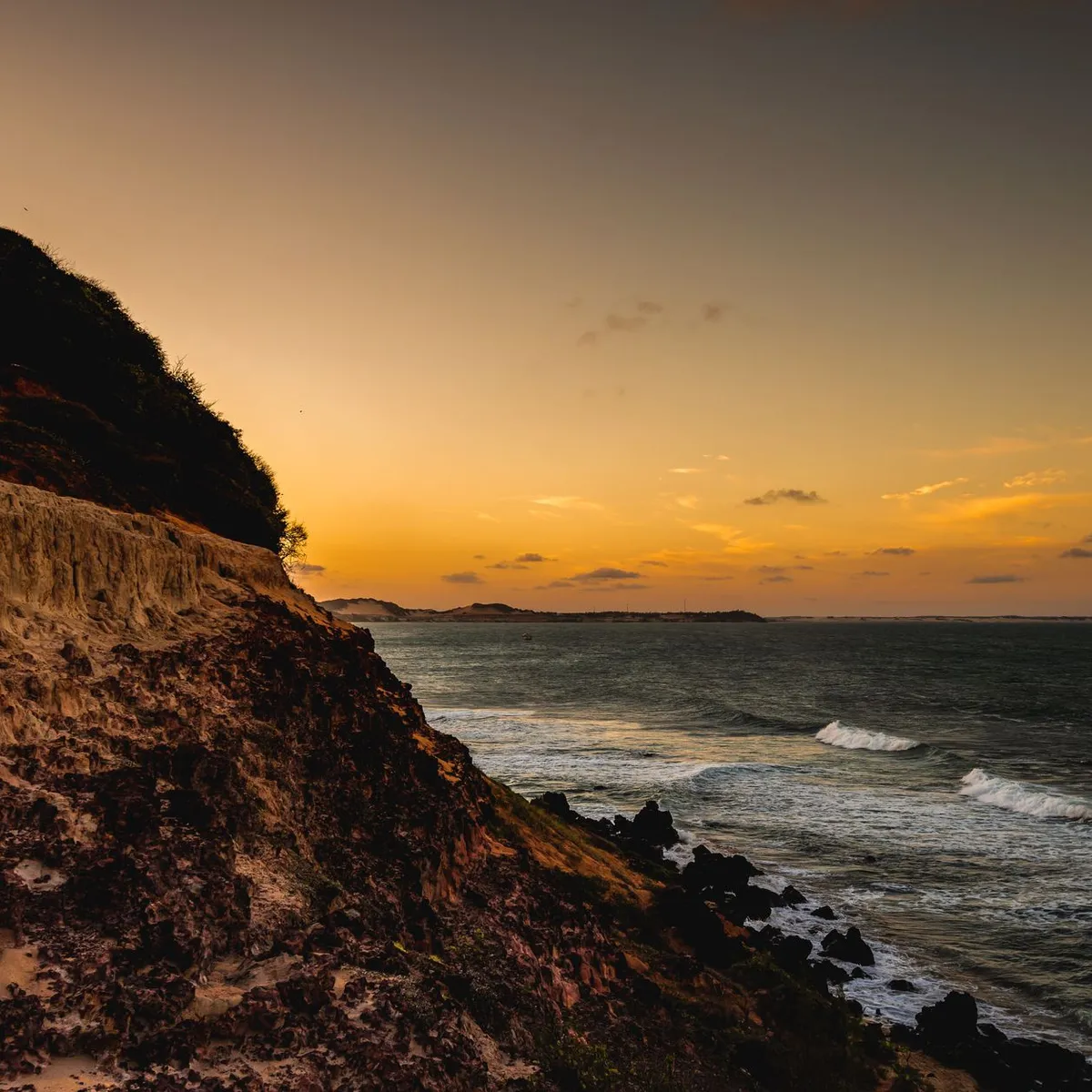
 Photo: alexandre saraiva carniato / Pexels
Ponta Grossa
Ponta Grossa accessibility for wheelchair users
Compare Ponta Grossa by accessibility, transport, terrain, healthcare, cost, weather, laws, reviews, and community notes.
Ponta Grossa accessibility scores
Compare Ponta Grossa by accessibility, transport, terrain, healthcare, cost, weather, and laws. General stats use public data and models. Community rows reflect member reviews and votes.
General stats
National benchmarks and estimates — your experience in this city may differ.
Community
Starts from our estimate — thumbs up nudge toward Excellent, down toward Poor. Reviews use 1–5 stars.
These figures combine public statistics, models, and live weather where available. Every city is different — treat this as a guide, and share what you know in the Reviews & Corrections tab.
Profile last updated 7/1/2026.
Ponta Grossa wheelchair accessibility guide
Research Ponta Grossa for wheelchair users and caregivers: getting around, terrain, healthcare, costs, climate, accessible things to do, and practical caveats before booking.
Last updated 7/1/2026At a glance
Ponta Grossa is a mid-sized city in Paraná with good value on paper: from ~$1,913/mo overall and housing from ~$660/mo. It is useful as a base for Vila Velha State Park and regional canyon/nature trips, but the accessibility picture is mixed. The DB profile shows hilly terrain, low-confidence pavement data, and only modest ramp and transport scores. For wheelchair users, this is a destination to approach with local assistance, private transport, and careful attraction-by-attraction checks rather than a city for casual independent rolling.
Getting around
Plan around taxis, app cars, or a hired driver for the state park and out-of-center sights. Local buses may be useful for ambulatory travelers, but step-free boarding and stop conditions should be verified before relying on them. If you use a folding chair, confirm trunk size; if you use a power chair, ask hotels or tour operators for vehicle photos and boarding arrangements.
Terrain & mobility
The terrain sample is hilly, with an average elevation near 895 m and low pavement tagging confidence. Central streets may have paved segments, but older sidewalks, slopes, missing curb cuts, and uneven crossings can make short distances slower than they look on a map. Nature attractions around Ponta Grossa often involve trails, viewpoints, and weather-exposed surfaces, so route details matter.
Healthcare & care
OpenStreetMap leads near the center include Santa Casa de Misericórdia de Ponta Grossa, Pronto Socorro, and HU Hospital Universitário UEPG, plus nearby clinics. Treat these as starting points only: call ahead to confirm emergency access, specialties, elevator/ramp routes, and whether the entrance shown on maps is the accessible one. Keep Portuguese medical notes and arrange prescription refills before visiting park areas.
Costs & housing
The cost model is attractive for Brazil, but accessible housing can take more filtering than price alone suggests. Ask for step-free building entry, elevator reliability, bathroom turning space, shower threshold, and whether the route from parking or drop-off to the room is covered in rain. A central apartment may reduce errands, while a hotel with parking may simplify park-day transfers.
Climate & comfort
Ponta Grossa has a subtropical highland feel with cooler periods, rain, and wind. Wet stone, park boardwalks, and exposed viewpoints can become more difficult after rain. Build rest days around nature excursions, and do not assume a trail that is easy in dry weather will be safe after storms.
Accessible things to do
Vila Velha State Park— The state park is the signature attraction; official Paraná tourism pages were unavailable/404 during this check, so verify the current accessible route, shuttle, toilets, and whether specific sandstone viewpoints are step-free before booking.
Buraco do Padre area— A well-known regional nature stop; accessibility varies by trail and operator conditions, so request current route photos and assistance details.
Ponta Grossa civic center and cathedral area— A manageable urban outing if staying centrally; check curb cuts and plaza surfaces block by block.
Campos Gerais viewpoints and farm/rural tourism— Good for scenic drives with limited rolling if you arrange vehicle-based stops and avoid unverified trails.
Community & language
Portuguese is essential outside hotels and larger attractions. Staff may be helpful, but disability access details are often not standardized online. Written questions with photos of your chair and transfer needs will get clearer answers than a simple “is it accessible?”
Would we recommend it?
Maybe, for travelers prioritizing value and regional scenery who can arrange private transport and accept that some attractions may only be partially accessible. It is not a top first choice for independent wheelchair travel in Brazil because source-verified accessibility is thin and terrain is hilly, but it can work as a planned, supported stop.
These figures combine public statistics, models, and live weather where available. Every city is different — treat this as a guide, and share what you know in the Reviews & Corrections tab.
Profile last updated 7/1/2026.
Reviews & corrections
Share your experience or suggest a data correction. Both appear publicly; admin updates official city scores and costs separately.
Log in to write a review or suggest a correction.
No reviews or corrections yet.