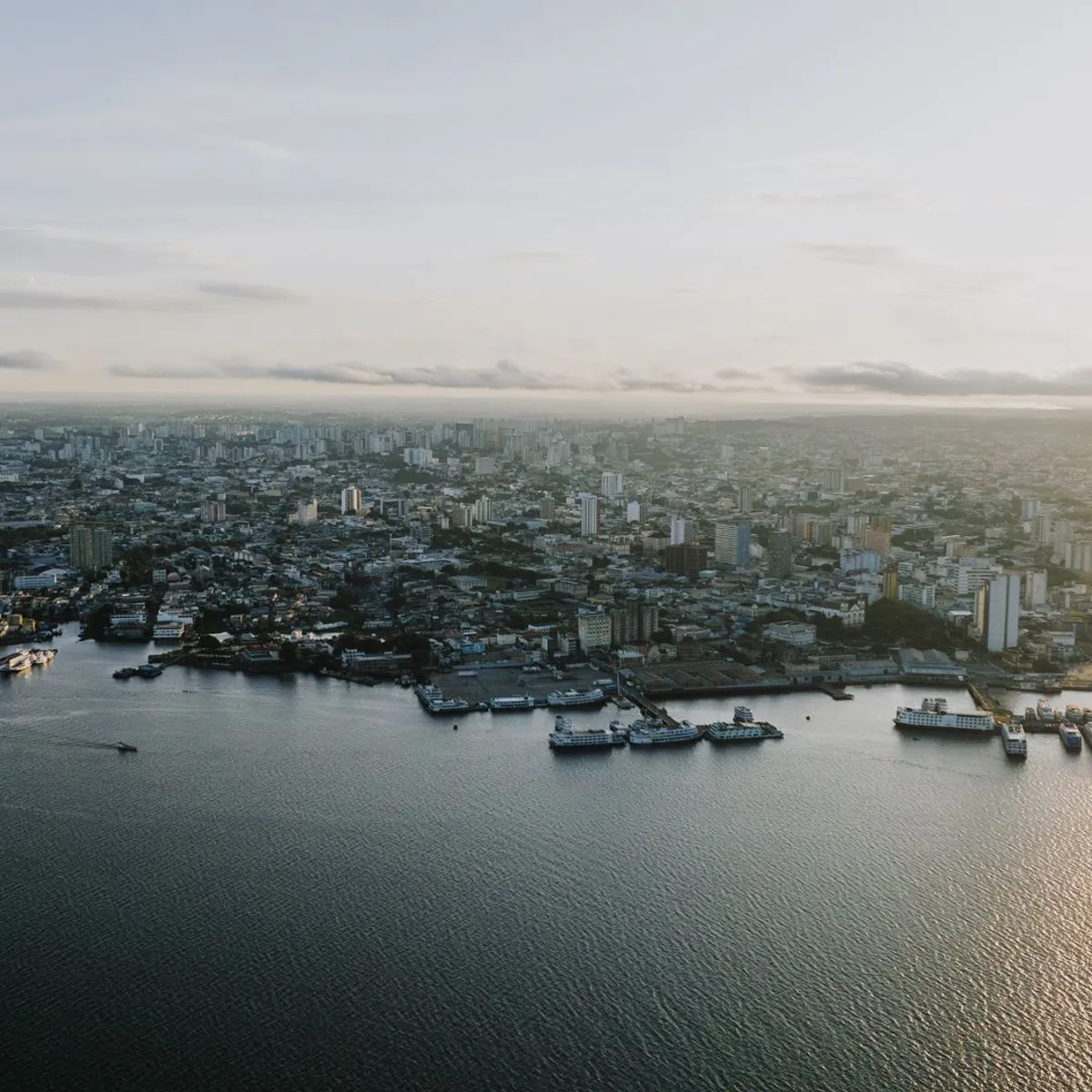
 Photo: K / Pexels
Punto Fijo
Punto Fijo accessibility for wheelchair users
Compare Punto Fijo by accessibility, transport, terrain, healthcare, cost, weather, laws, reviews, and community notes.
Punto Fijo accessibility scores
Compare Punto Fijo by accessibility, transport, terrain, healthcare, cost, weather, and laws. General stats use public data and models. Community rows reflect member reviews and votes.
General stats
National benchmarks and estimates — your experience in this city may differ.
Community
Starts from our estimate — thumbs up nudge toward Excellent, down toward Poor. Reviews use 1–5 stars.
These figures combine public statistics, models, and live weather where available. Every city is different — treat this as a guide, and share what you know in the Reviews & Corrections tab.
Profile last updated 7/1/2026.
Punto Fijo wheelchair accessibility guide
Research Punto Fijo for wheelchair users and caregivers: getting around, terrain, healthcare, costs, climate, accessible things to do, and practical caveats before booking.
Last updated 7/1/2026At a glance
Punto Fijo is a mostly flat Caribbean-base city on Venezuela's Paraguaná Peninsula, useful if you want services, shopping, and access to Falcón's coastal landscape without staying in a colonial hill town. For wheelchair users, the main positive is terrain: the DB terrain profile is mostly flat, with low elevation change, so short taxi rides and careful curb planning matter more than steep grades. The caution is infrastructure certainty. Local pavement tagging is sparse, accessible transport is not strongly documented, and venue-level wheelchair information is limited, so this is a city for travelers who can pre-arrange help, use private transfers, and confirm entrances directly.
Getting around
Plan around taxis or pre-booked drivers rather than assuming spontaneous step-free public transport. Punto Fijo sits on the southwest side of Paraguaná, with road links toward Coro, the Médanos de Coro dunes, beaches, and shopping zones. The DB transport estimate is from ~$201/mo, but for visitors with mobility equipment the practical cost may be higher because you may need door-to-door rides. Ask hotels to confirm vehicle boot size, whether drivers can wait at attractions, and whether beach or dune approaches involve sand, curbs, or broken paving.
Terrain & mobility
The city profile is favorable on slope: OpenTopoData sampling shows a mostly flat setting and only minor elevation range. That helps manual wheelchair users compared with hillier Venezuelan coastal towns. Pavement confidence is low, though, because most OSM ways are untagged; treat smooth asphalt as possible, not guaranteed. Expect curb cuts to be inconsistent, sidewalks to narrow suddenly, and ramps to be improvised. In hot sun, a power chair, shade planning, or shorter morning/evening outings will be more comfortable.
Healthcare & care
OpenStreetMap lists several nearby care leads, including Unidad Sanitaria, Seguro de Punto Fijo, Sociedad Anticancerosa, Clínica La Familia, and Ambulatorio Andres Eloy Blanco. These are leads only, not audited accessibility endorsements. Keep a written Spanish summary of your condition, confirm emergency capacity before arrival, and ask whether entrances, toilets, imaging areas, and consultation rooms are step-free. DB cost fields put medical costs from ~$142/mo and home aid from ~$494/mo, but private help availability should be arranged through local contacts rather than assumed on arrival.
Costs & housing
The DB estimate is from ~$2,717/mo overall, with housing from ~$1,397/mo. That is not cheap for a Venezuelan secondary city, so prioritize a verified accessible room over headline rent. Ask for photos of the exact entrance, bathroom turning space, shower threshold, bed height, elevator, generator situation, and street approach. If staying outside the center for beach access, budget extra for repeat transfers because sidewalks and shade may be less predictable.
Climate & comfort
Punto Fijo is hot year-round, often around the upper 20s Celsius. Rain is relatively light for much of the year, with wetter months around October and November in the DB climate data. Heat, glare, and limited shade can be more disabling than rain. Carry water, sun protection, and a backup battery plan, and avoid long outdoor pushes through exposed parking lots or coastal roads.
Accessible things to do
Paraguaná Peninsula drives— the peninsula setting is the main low-step activity: use a hired vehicle for coastal viewpoints, shopping stops, and short photo breaks, verifying surfaces at each stop.
Médanos de Coro National Park approach— the dunes near Coro are a famous regional landscape, but sand is not wheelchair-friendly; treat this as a scenic drive or assisted viewpoint visit, not a roll-in trail.
Punto Fijo shopping areas— malls and larger retail buildings may offer the best chance of level floors, toilets, and air-conditioning, but call ahead for elevator and restroom details.
Local waterfront and beach outings— coastal visits can work as vehicle-based outings if you choose firm-surface promenades or restaurant terraces and avoid loose sand unless you have beach-mobility support.
Community & language
Spanish is essential for arranging transport, care, and housing. Bring messages written in advance for drivers and clinic staff, and do not rely on venue websites for accessibility detail. The city is practical rather than tourist-polished, so local introductions can matter more than online listings.
Would we recommend it?
Maybe, for experienced wheelchair travelers with Spanish support, private transport, and a reason to be on Paraguaná. The flat terrain is helpful, but limited verified accessibility data, uncertain pavement, and the need to arrange care carefully keep this from being an easy first-choice destination.
These figures combine public statistics, models, and live weather where available. Every city is different — treat this as a guide, and share what you know in the Reviews & Corrections tab.
Profile last updated 7/1/2026.
Reviews & corrections
Share your experience or suggest a data correction. Both appear publicly; admin updates official city scores and costs separately.
Log in to write a review or suggest a correction.
No reviews or corrections yet.