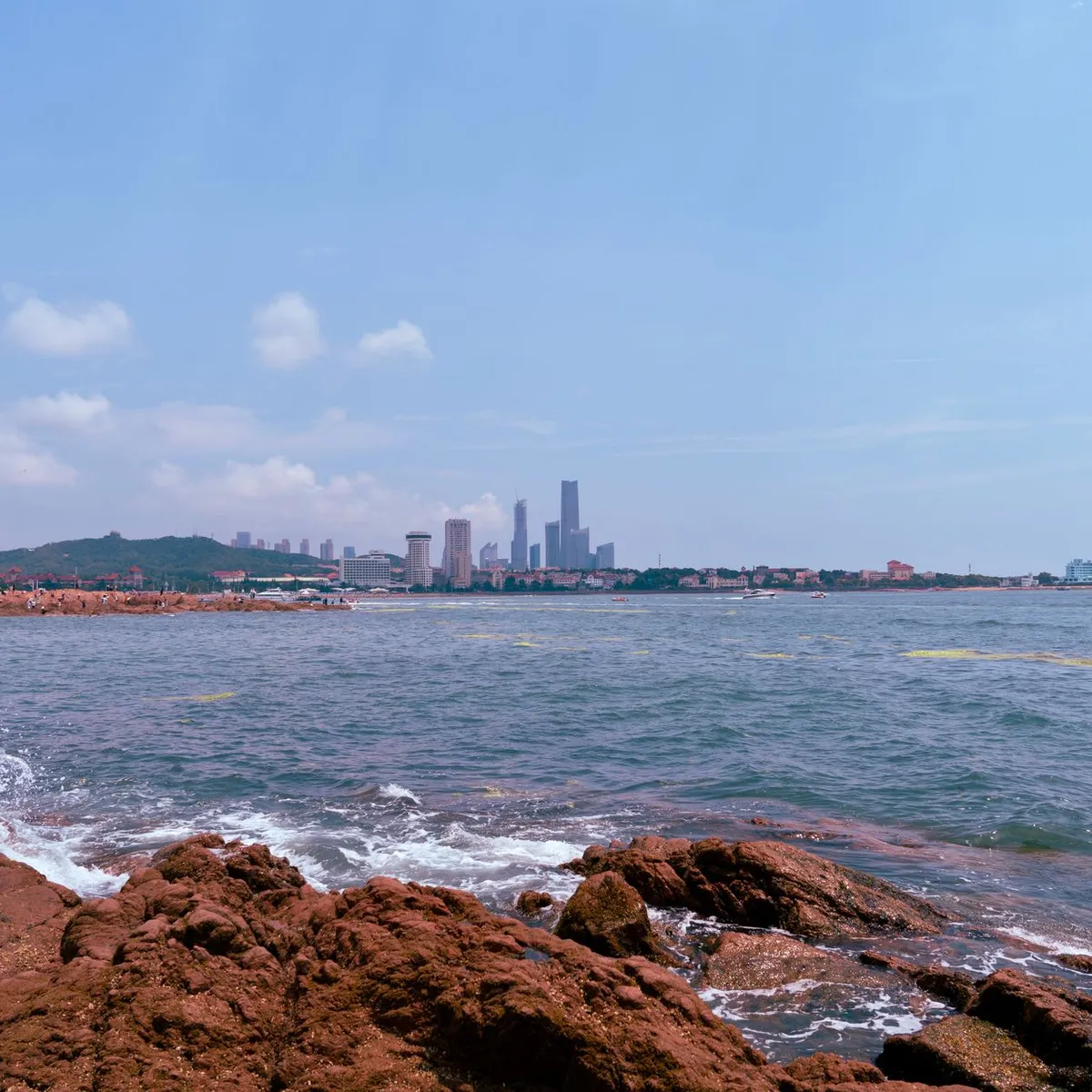
 Photo: Siyuan Zhao / Pexels
Qingdao
Qingdao accessibility for wheelchair users
Compare Qingdao by accessibility, transport, terrain, healthcare, cost, weather, laws, reviews, and community notes.
Qingdao accessibility scores
Compare Qingdao by accessibility, transport, terrain, healthcare, cost, weather, and laws. General stats use public data and models. Community rows reflect member reviews and votes.
General stats
National benchmarks and estimates — your experience in this city may differ.
Community
Starts from our estimate — thumbs up nudge toward Excellent, down toward Poor. Reviews use 1–5 stars.
These figures combine public statistics, models, and live weather where available. Every city is different — treat this as a guide, and share what you know in the Reviews & Corrections tab.
Profile last updated 6/30/2026.
Qingdao wheelchair accessibility guide
Research Qingdao for wheelchair users and caregivers: getting around, terrain, healthcare, costs, climate, accessible things to do, and practical caveats before booking.
Last updated 6/30/2026At a glance
Qingdao is a coastal Chinese city with major-city infrastructure, a metro network, hospitals, seaside promenades, and several lower-effort sightseeing anchors. RollVenture estimates costs from ~$2,534/mo, with housing around $1,028/mo and transport around $227/mo. The city is not fully flat: the live terrain profile labels it hilly, and some older German-influenced streets and waterfront approaches can include slopes, steps, and stone paving. It is still a better candidate than many smaller Chinese rows because transport and attraction identities are easier to verify, and Qingdao has multiple large hospitals listed in local map data.
Getting around
Use the metro for longer cross-city trips where stations and exits can be checked in advance, then pair it with taxis for the last few hundred meters. China’s larger metro systems commonly provide lifts and barrier-free station features, but exit-by-exit reliability varies; always identify the exact station exit with an elevator before leaving. Taxis and ride-hailing are useful, though wheelchair users who cannot transfer should confirm vehicle type. For waterfront days, ask the hotel to mark a step-free drop-off and pickup point instead of relying on a random curb.
Terrain & mobility
Qingdao’s central coast is scenic but not uniformly easy. The database terrain profile shows hilly conditions with a 220 m sampled elevation range; the pavement profile has medium confidence, with asphalt, concrete, stone, and many untagged ways. Expect a mix of smooth plazas, steep side streets, and older paving. Build routes around one or two nearby stops rather than trying to roll the full waterfront in one day.
Healthcare & care
OSM healthcare leads include PLA Navy 971 Hospital outpatient department, Qingdao Hiser Hospital outpatient services, Qingdao Traditional Chinese Medicine Hospital, and community health centers. Treat these as leads, not guarantees of accessible care. Larger hospitals are the better first call for elevator access and specialist departments; bring translated medical notes and confirm payment method, appointment process, and companion access.
Costs & housing
The cost estimate starts around ~$2,534/mo, with housing from ~$1,028/mo. Accessible apartment stock varies by building age. High-rise newer districts are more promising than older walk-up lanes, but still ask for entrance video, elevator dimensions, bathroom threshold, shower layout, and whether the building has a ramped lobby rather than a ceremonial stair.
Climate & comfort
Qingdao’s coastal climate is milder than many inland Chinese cities, but wind, fog, rain, and winter cold can matter for wheelchair comfort. Seaside paving may be exposed. Summer tourism crowds around beaches and piers can slow wheelchair movement.
Accessible things to do
May Fourth Square— A broad waterfront plaza and landmark area; generally a better first outing than steep old streets, but verify nearest elevator-equipped metro exit and toilets.
Olympic Sailing Center— A modern waterfront district with promenades, restaurants, and harbor views. Confirm current ramp routes and accessible restroom availability before visiting.
Zhanqiao Pier— A famous Qingdao symbol. It may be crowded and exposed; check surface, slope, and weather before rolling out onto the pier.
Qingdao Beer Museum— A major indoor attraction tied to the city’s brewing history. Contact the venue for current elevator, route, and restroom details.
Badaguan Scenic Area— Historic streets and architecture are worthwhile, but slopes, curbs, and older surfaces make it a selective, driver-assisted outing rather than an easy roll.
Community & language
Mandarin is essential outside hotels and major attractions. Translation apps help, but for hospital visits or housing checks, use a bilingual contact. Staff may be helpful but not trained in independent-living access expectations.
Would we recommend it?
Yes, with planning. Qingdao has enough infrastructure and attractions to build a workable accessible itinerary, but hilly districts and uncertain exit-level details mean routes should be checked one stop at a time.
These figures combine public statistics, models, and live weather where available. Every city is different — treat this as a guide, and share what you know in the Reviews & Corrections tab.
Profile last updated 6/30/2026.