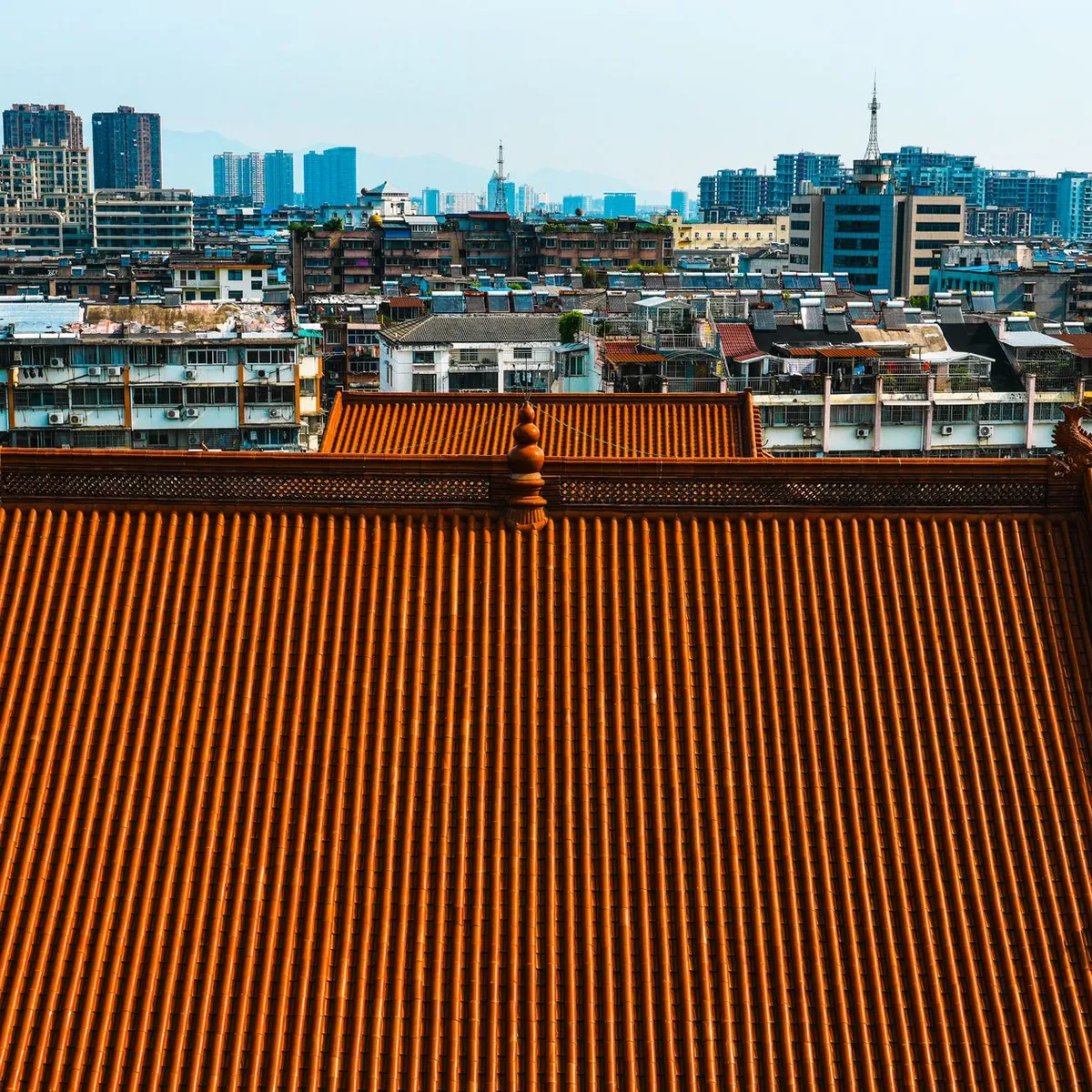
 Photo: 临万然 LWR / Pexels
Shangyu
Shangyu accessibility for wheelchair users
Compare Shangyu by accessibility, transport, terrain, healthcare, cost, weather, laws, reviews, and community notes.
Shangyu accessibility scores
Compare Shangyu by accessibility, transport, terrain, healthcare, cost, weather, and laws. General stats use public data and models. Community rows reflect member reviews and votes.
General stats
National benchmarks and estimates — your experience in this city may differ.
Community
Starts from our estimate — thumbs up nudge toward Excellent, down toward Poor. Reviews use 1–5 stars.
These figures combine public statistics, models, and live weather where available. Every city is different — treat this as a guide, and share what you know in the Reviews & Corrections tab.
Profile last updated 7/2/2026.
Shangyu wheelchair accessibility guide
Research Shangyu for wheelchair users and caregivers: getting around, terrain, healthcare, costs, climate, accessible things to do, and practical caveats before booking.
Last updated 7/2/2026At a glance
Shangyu, now a district of Shaoxing in Zhejiang, is a lower-key Yangtze Delta base with riverfront culture, industry, and several named heritage sites. Wikipedia identifies Cao’e Temple, Shangyu Museum, Cao’e River, Fenghuangshan Kiln Sites, Chunhui High School Site, and mountain attractions, which gives enough real anchors for a cautious wheelchair guide. RollVenture’s DB numbers put living costs from ~$2,145/mo and housing from ~$755/mo, but access quality will depend heavily on the exact building and neighborhood.
Getting around
Shangyu’s Baiguan urban center sits on the Cao’e River and is linked to Shaoxing, Hangzhou, and Ningbo by railway and expressway corridors. For wheelchair users, high-speed and intercity rail can be the most predictable long-distance option if booked with station assistance, but last-mile access still needs planning. Use taxis or ride-hailing for cross-district trips; confirm trunk space, folding-chair handling, and whether the driver can stop close to entrances.
Terrain & mobility
The DB terrain profile labels Shangyu hilly, though the urban river plain around Baiguan is more manageable than the southern mountain attractions. Pavement confidence is low, with mostly untagged/asphalt OSM samples, so treat smooth sidewalks as case-by-case. Riverfront promenades and newer museum/civic areas are the best candidates for step-free movement; old lanes, temple thresholds, and mountain scenic areas may involve stairs, steep ramps, or uneven stone.
Healthcare & care
OSM healthcare leads in the DB include Shaoxing Shangyu District Hospital of TCM, Shangyu People’s Hospital, Shangyu Third Hospital, and a Sir Run Run Shaw Hospital Shaoxing campus farther out. Verify wheelchair entrance, lift access, accessible toilet, imaging and treatment transfers, and international-payment expectations before relying on any facility. China’s national disability law is listed in the DB, but practical access varies by venue.
Costs & housing
Use DB costs as a starting point: living from ~$2,145/mo, housing from ~$755/mo, food from ~$404/mo, and transport from ~$210/mo. Ask landlords for video of the building entrance, elevator, bathroom, kitchen route, and the street between the lobby and nearest taxi pickup. In a district with both flat river areas and hills, micro-location matters.
Climate & comfort
Shangyu has a humid subtropical setting. Summers can be hot, wet, and energy-draining for wheelchair transfers; winters are cooler and damp rather than severe. Prioritize housing with reliable air conditioning, elevator backup procedures, and covered access to taxis.
Accessible things to do
Shangyu Museum— Named in the Wikipedia city imagery; likely the strongest indoor, bad-weather candidate, but confirm lifts and accessible toilets before going.
Cao’e River / Baiguan riverside— A practical low-step outing if you choose modern promenade sections and avoid older embankment stairs.
Cao’e Temple— Historically central to Shangyu’s Cao’e story; verify thresholds, courtyards, and toilets, as temple sites often mix ramps and steps.
Chunhui High School Site— Listed by Wikipedia among Shangyu landmarks; best approached as a heritage stop with access checked by phone or recent photos.
Fengming Mountain or Fuzhi Mountain— Real scenic names from the Shangyu page, but use them only with a car, companion, and a conservative expectation of steep/partial access.
Community & language
Mandarin is the practical language for travel and healthcare; local Wu speech may be heard in daily life. Translation apps help, but medical and rental access questions should be written in Chinese and confirmed with photos.
Would we recommend it?
Yes, cautiously, for travelers comfortable with China logistics and a car-based plan. Shangyu is more promising around Baiguan and river/civic sites than in mountain attractions.
These figures combine public statistics, models, and live weather where available. Every city is different — treat this as a guide, and share what you know in the Reviews & Corrections tab.
Profile last updated 7/2/2026.