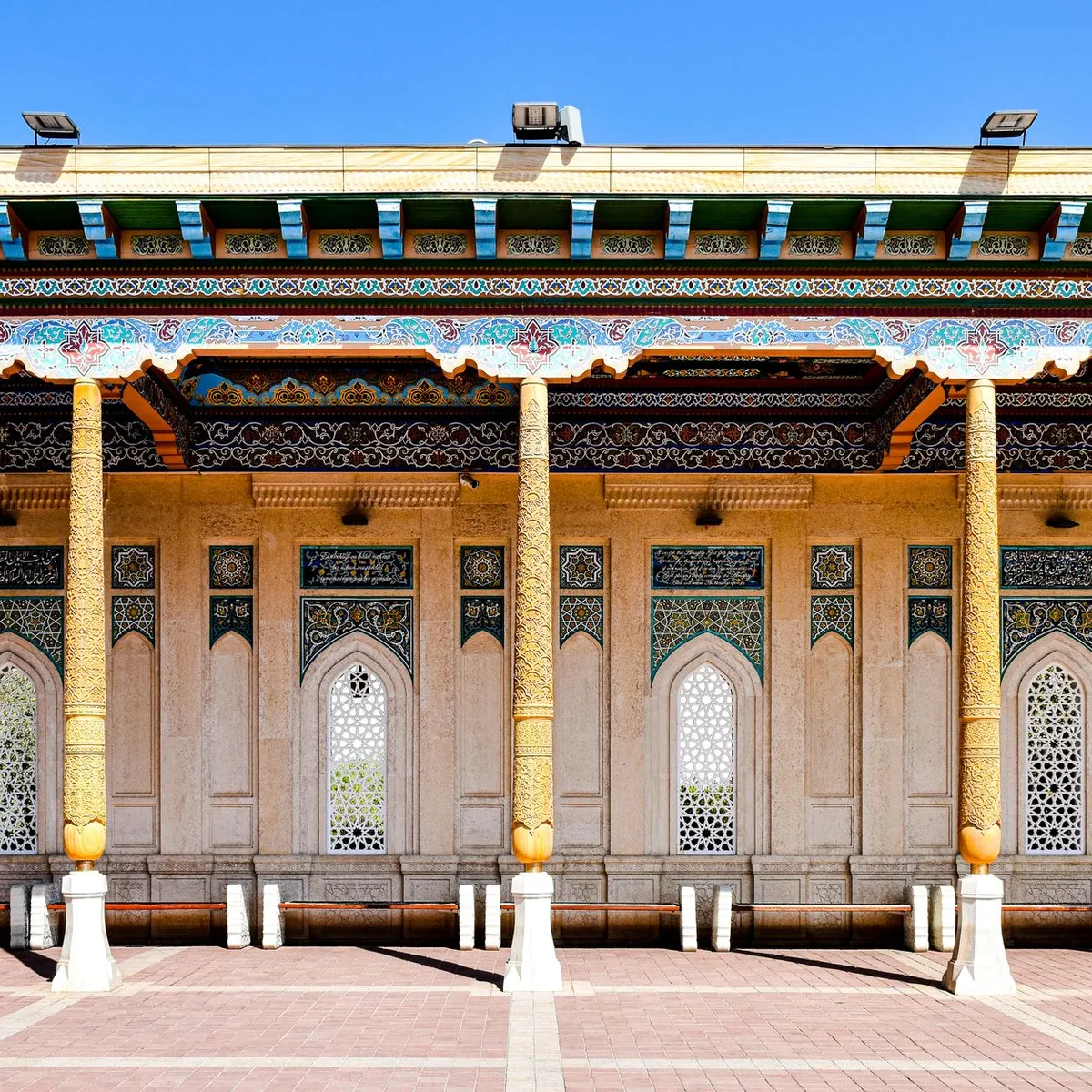
 Photo: AXP Photography / Pexels
Qo‘qon
Qo‘qon accessibility for wheelchair users
Compare Qo‘qon by accessibility, transport, terrain, healthcare, cost, weather, laws, reviews, and community notes.
Qo‘qon accessibility scores
Compare Qo‘qon by accessibility, transport, terrain, healthcare, cost, weather, and laws. General stats use public data and models. Community rows reflect member reviews and votes.
General stats
National benchmarks and estimates — your experience in this city may differ.
Community
Starts from our estimate — thumbs up nudge toward Excellent, down toward Poor. Reviews use 1–5 stars.
These figures combine public statistics, models, and live weather where available. Every city is different — treat this as a guide, and share what you know in the Reviews & Corrections tab.
Profile last updated 7/1/2026.
Qo‘qon wheelchair accessibility guide
Research Qo‘qon for wheelchair users and caregivers: getting around, terrain, healthcare, costs, climate, accessible things to do, and practical caveats before booking.
Last updated 7/1/2026At a glance
Qo‘qon, commonly written Kokand, is one of the better cultural candidates in this batch. Wikivoyage describes it as a Silk Road trading city on the southwest edge of the Fergana Valley, and Wikipedia notes its historic role in the Kokand Khanate. For wheelchair users, the DB terrain sample is friendly, but public accessibility documentation is thin. Treat it as a potentially rewarding supported stop, especially for architecture and history, not a guaranteed independent-roll destination.
Getting around
Use pre-arranged taxis or private drivers rather than assuming accessible public transit. Kokand’s sights are spread enough that point-to-point rides will save energy, and old monument approaches may have curbs, gravel, or steps. Ask hotels to confirm vehicle access to the entrance, elevator availability, and whether nearby sidewalks have curb cuts. For intercity travel in the Fergana Valley, confirm train or car boarding details before booking.
Terrain & mobility
The DB terrain profile is helpful: maximum sampled grade about 1.1%, 100% flat samples, and a 127 m elevation range. Pavement remains the unknown. OSM confidence is low, with only 2% good tagged surfaces and many untagged/asphalt/paved routes. That suggests the city may be physically flatter than many peers, but wheelchair users should still expect broken curbs, rough monument courtyards, and uneven market edges.
Healthcare & care
OSM-derived healthcare leads include local polyclinics and clinic/hospital entries near the centre. Treat these as practical leads, not verified accessible facilities. Confirm emergency intake, elevator or ramp access, language, payment, and whether the needed specialty is available. Bring medication documentation and consider Fergana or Tashkent for complex needs.
Costs & housing
The database estimate is **from ~$2,216/mo**, with housing around $1,156. Accessible lodging should be checked with photos: entrance, lift, bathroom door, shower threshold, bed clearance, and route from parking to lobby. A central hotel can reduce transfer fatigue, but old-building charm may mean steps, small elevators, or bathrooms that do not work for a chair.
Climate & comfort
Fergana Valley weather can bring hot summers, cold winters, and dusty streets. Plan early or evening sightseeing in heat, and ask about heating in winter. Gloves, water, sun cover, and battery planning matter, even in a relatively flat city, because shade and smooth paving are not guaranteed. Dust can also make caster bearings and brakes gritty, so pack a small repair kit and avoid over-scheduling outdoor monument visits.
Accessible things to do
Khudayar Khan Palace— the headline Kokand monument; verify ramps, thresholds, courtyard surface, and museum room access.
Jami Mosque area— a major historic site; ask about entrance steps and paving before arrival.
Dahma-i-Shahan / royal necropolis area— worthwhile for history, but likely to need assistance over old surfaces.
Kokand bazaar streets— good local-life context, though crowds and thresholds may limit wheelchair comfort.
Fergana Valley day drives— safer as vehicle-based sightseeing with planned accessible rest stops.
Community & language
Uzbek and Russian are useful; English may be limited outside tourism settings. Use translated access questions and photos.
Would we recommend it?
Yes, cautiously. Qo‘qon’s flat terrain and strong cultural identity help, but it needs private transfers and advance building-by-building verification.
These figures combine public statistics, models, and live weather where available. Every city is different — treat this as a guide, and share what you know in the Reviews & Corrections tab.
Profile last updated 7/1/2026.
Reviews & corrections
Share your experience or suggest a data correction. Both appear publicly; admin updates official city scores and costs separately.
Log in to write a review or suggest a correction.
No reviews or corrections yet.