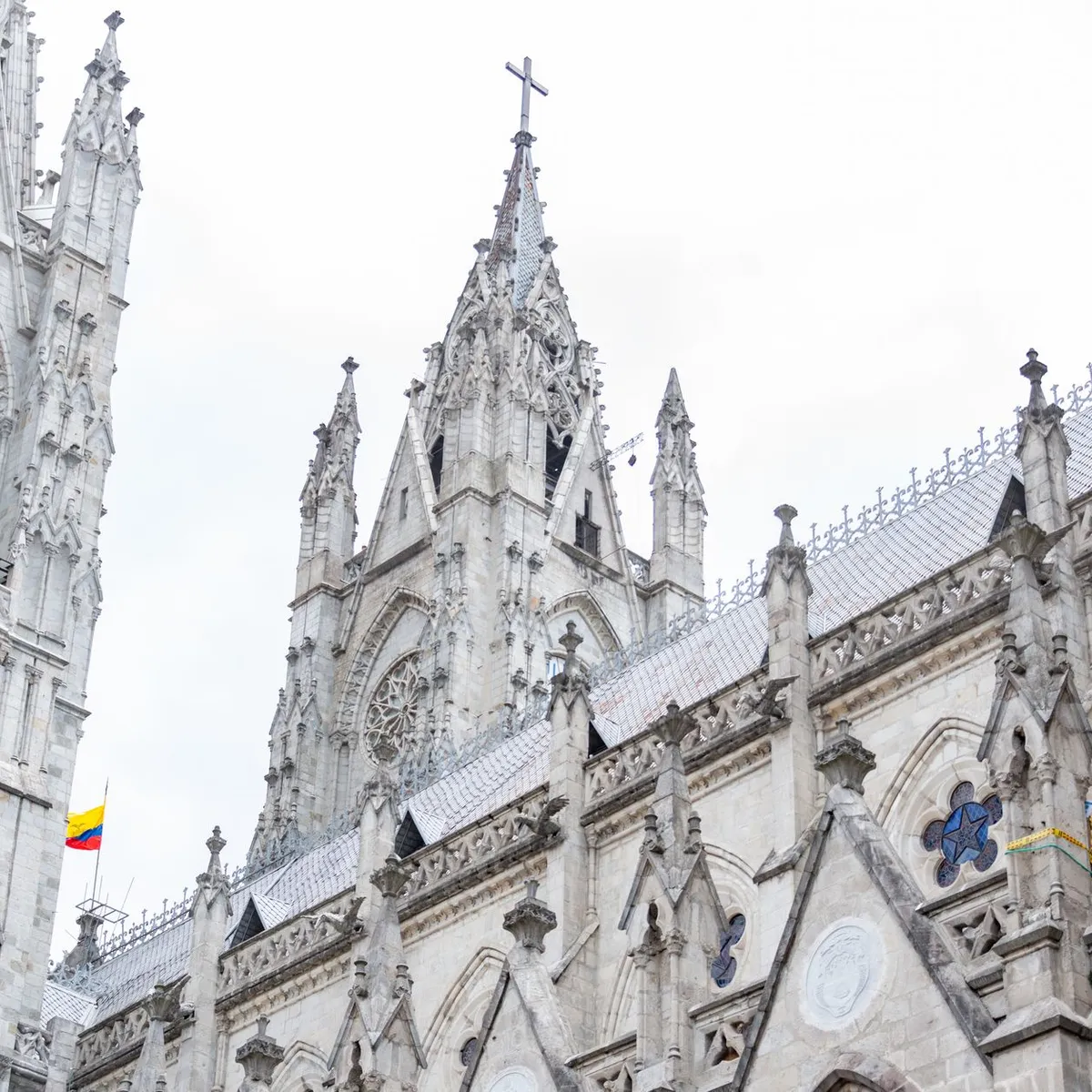
 Photo: Diego F. Parra / Pexels
Quito
Quito accessibility for wheelchair users
Compare Quito by accessibility, transport, terrain, healthcare, cost, weather, laws, reviews, and community notes.
Quito accessibility scores
Compare Quito by accessibility, transport, terrain, healthcare, cost, weather, and laws. General stats use public data and models. Community rows reflect member reviews and votes.
General stats
National benchmarks and estimates — your experience in this city may differ.
Community
Starts from our estimate — thumbs up nudge toward Excellent, down toward Poor. Reviews use 1–5 stars.
These figures combine public statistics, models, and live weather where available. Every city is different — treat this as a guide, and share what you know in the Reviews & Corrections tab.
Profile last updated 7/1/2026.
Quito wheelchair accessibility guide
Research Quito for wheelchair users and caregivers: getting around, terrain, healthcare, costs, climate, accessible things to do, and practical caveats before booking.
Last updated 7/1/2026At a glance
Quito is dramatic, high-altitude and service-rich, but it is one of the harder major cities in this batch for wheelchair mobility. RollVenture rates it overall 54, accessibility 40, ramp availability 37 and wheelchair transport 47. The city has useful hospitals and a modern metro, but the terrain score is only 19 because the urban area climbs steeply along the Andes. Estimated living cost is from ~$2,353/mo and housing from ~$1,089/mo. Quito can work as a supported base, not as an easy roll-out-the-door city.
Getting around
The official Metro de Quito site confirms a 15-station metro route and a major public-transport backbone. That helps, but wheelchair users should verify station elevator operation, entrance locations and staff procedures for every journey. Ride-hail or private drivers remain important because many neighborhoods are steep and crossings can be difficult. If arriving by air, pre-book assistance and a vehicle that can handle luggage, chair storage and transfers.
Terrain & mobility
Terrain is the main barrier. Quito’s high elevation, steep grades and old-center paving make casual rolling difficult, even though DB pavement samples are relatively strong. The historic center has beautiful plazas and churches, but expect slopes, narrow sidewalks, curb gaps and crowds. Choose lodging near the exact station, clinic or neighborhood you need, and avoid itineraries that require climbing between districts.
Healthcare & care
OSM healthcare leads include Clínica San Mateo, Clínica Santa Barbara, Centro de Especialidades del IESS and Fundación Vista para Todos. Treat them as leads only. For a longer stay, identify a private hospital or specialist before arrival, ask about altitude-related risk, confirm lift access and payment methods, and keep a plan for oxygen, medication storage and emergency transport.
Costs & housing
Costs are mid-range: from ~$2,353/mo overall and housing from ~$1,089/mo. The best accessible housing prospects are newer buildings with elevators, parking-level access and predictable water/power. Ask for a video of the street approach, lobby, lift, bathroom and nearby slope. A central address is not automatically better if the block is too steep.
Climate & comfort
Quito’s altitude is comfortable for temperature but demanding for stamina. Sun can be intense, evenings cool quickly, and rain can make stone surfaces slick. Give yourself acclimatization time and plan shorter days than the map distance suggests.
Accessible things to do
Metro de Quito station-to-station outings— The metro is the most promising structured mobility asset. Use it for simple, pre-checked station pairs where elevators and nearby curb cuts are confirmed the same day.
La Carolina Park area— A flatter modern district with museums, malls and park space nearby. It is more realistic for a wheelchair outing than steep old-town routes, though crossings and curb cuts still need checking.
Museo de la Ciudad / historic center museums— Major central museums can be worthwhile if you call first for step-free entrances and lift routes. Do not assume colonial buildings are fully accessible.
TelefériQo base area— The cable-car attraction is famous, but access, boarding and altitude comfort must be confirmed directly. Consider it only with a companion and a backup plan.
Community & language
Spanish is the working language. English is available in some hotels, tour operators and private clinics, but care coordination will be much smoother with Spanish help. Quito has enough expat and medical infrastructure to arrange drivers or aides, though quality varies.
Would we recommend it?
Maybe. Quito has culture, hospitals and a metro, but the slopes are a serious wheelchair barrier. It is best for a traveler with strong assistance, verified transport, and a plan built around specific accessible nodes rather than free-form wandering.
These figures combine public statistics, models, and live weather where available. Every city is different — treat this as a guide, and share what you know in the Reviews & Corrections tab.
Profile last updated 7/1/2026.
Reviews & corrections
Share your experience or suggest a data correction. Both appear publicly; admin updates official city scores and costs separately.
Log in to write a review or suggest a correction.
No reviews or corrections yet.