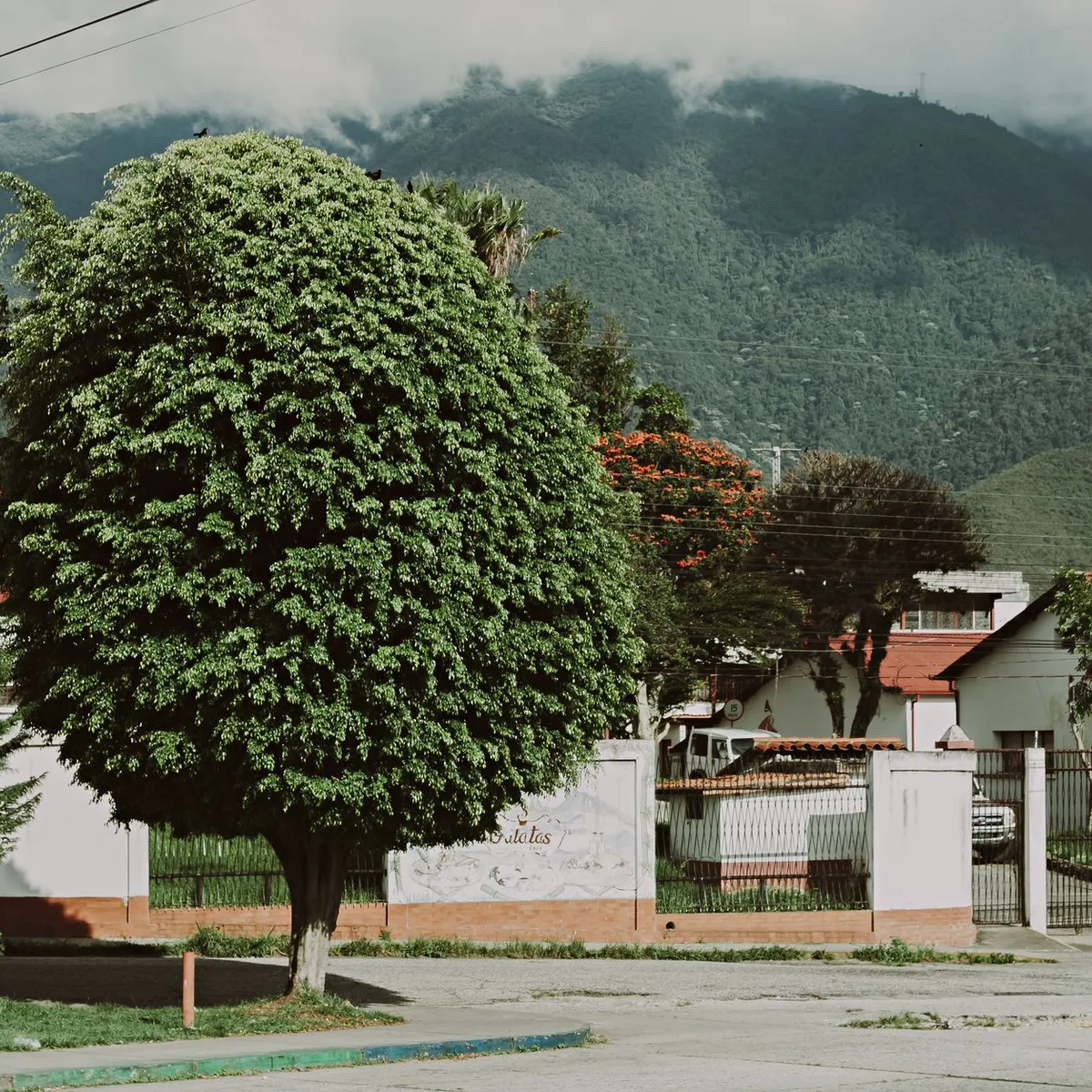
 Photo: Arturo Añez. / Pexels
Cochabamba
Cochabamba accessibility for wheelchair users
Compare Cochabamba by accessibility, transport, terrain, healthcare, cost, weather, laws, reviews, and community notes.
Cochabamba accessibility scores
Compare Cochabamba by accessibility, transport, terrain, healthcare, cost, weather, and laws. General stats use public data and models. Community rows reflect member reviews and votes.
General stats
National benchmarks and estimates — your experience in this city may differ.
Community
Starts from our estimate — thumbs up nudge toward Excellent, down toward Poor. Reviews use 1–5 stars.
These figures combine public statistics, models, and live weather where available. Every city is different — treat this as a guide, and share what you know in the Reviews & Corrections tab.
Profile last updated 7/1/2026.
Cochabamba wheelchair accessibility guide
Research Cochabamba for wheelchair users and caregivers: getting around, terrain, healthcare, costs, climate, accessible things to do, and practical caveats before booking.
Last updated 7/1/2026At a glance
Cochabamba is a large Bolivian valley city with good-value living costs but a very demanding mobility profile. RollVenture’s live row shows about 900,414 people, from ~$2,672/mo living cost, housing from ~$1,375/mo, high pavement confidence in sampled roads, and a very hilly terrain profile with a large elevation range. That combination means central routes may be smoother than expected, while hillside neighborhoods, viewpoints, and older sidewalks can be exhausting or impossible without vehicle support.
Getting around
Use door-to-door taxis or pre-arranged drivers for most cross-city trips. Public transport is not a reliable wheelchair plan unless a local contact confirms the exact route, boarding style, and assistance. Ask hotels to help book drivers who can wait during appointments and attractions, because return rides from hills or parks may be harder to arrange.
Terrain & mobility
The DB terrain profile flags Cochabamba as very hilly, with max grades around 24.9% in the sampled area and average elevation near 2,946 m. Keep daily plans tight: one major stop, one meal stop, and extra recovery time. Plaza areas and major avenues may be more manageable than steep residential edges, but curb cuts and sidewalk continuity still need local verification.
Healthcare & care
The DB/OSM profile lists local healthcare leads such as Instituto Oftalmológico Cochabamba, Clínica Los Lauros, and Clínica Boliviana Americana. Use these as starting points only; call before arrival about wheelchair entry, appointment language, payment, and whether they can refer to home nursing or equipment repair. Bring prescriptions and spares.
Costs & housing
Costs are moderate by regional standards: from ~$2,672/mo overall, with housing from ~$1,375/mo. The biggest housing risk is access detail, not price. Confirm elevator reliability, backup water/power, entrance slope, bathroom turning space, and whether taxis can pull directly to the door.
Climate & comfort
Cochabamba’s altitude and dry climate can be comfortable, but sun exposure and hills raise fatigue. Hydrate, protect skin, and avoid stacking outdoor hills with medical errands on the same day.
Accessible things to do
Plaza 14 de Septiembre— A central orientation point with cathedral and civic buildings nearby; use it as a short, relatively predictable city-center roll, while checking curb cuts around each crossing.
Cristo de la Concordia viewpoint— A major city landmark. Treat it as a vehicle-assisted scenic stop, not a guaranteed independent wheelchair route; verify current access to the viewpoint and any lift/cable-car operations before going.
Palacio Portales— The Simón I. Patiño cultural site is a known Cochabamba attraction. Contact the venue for step-free entry and garden-path conditions before visiting.
Jardín Botánico Martín Cárdenas— A calmer outdoor option, but path surfaces can determine whether it is practical. Ask about paved loops, accessible toilets, and wet-weather conditions.
Community & language
Spanish is essential for arranging healthcare, taxis, and housing. A local fixer or bilingual accommodation host can make the difference between a workable stay and constant friction.
Would we recommend it?
Maybe. Cochabamba offers value, healthcare leads, and real city amenities, but the hills make it best for wheelchair users with strong transport support and a conservative schedule.
These figures combine public statistics, models, and live weather where available. Every city is different — treat this as a guide, and share what you know in the Reviews & Corrections tab.
Profile last updated 7/1/2026.