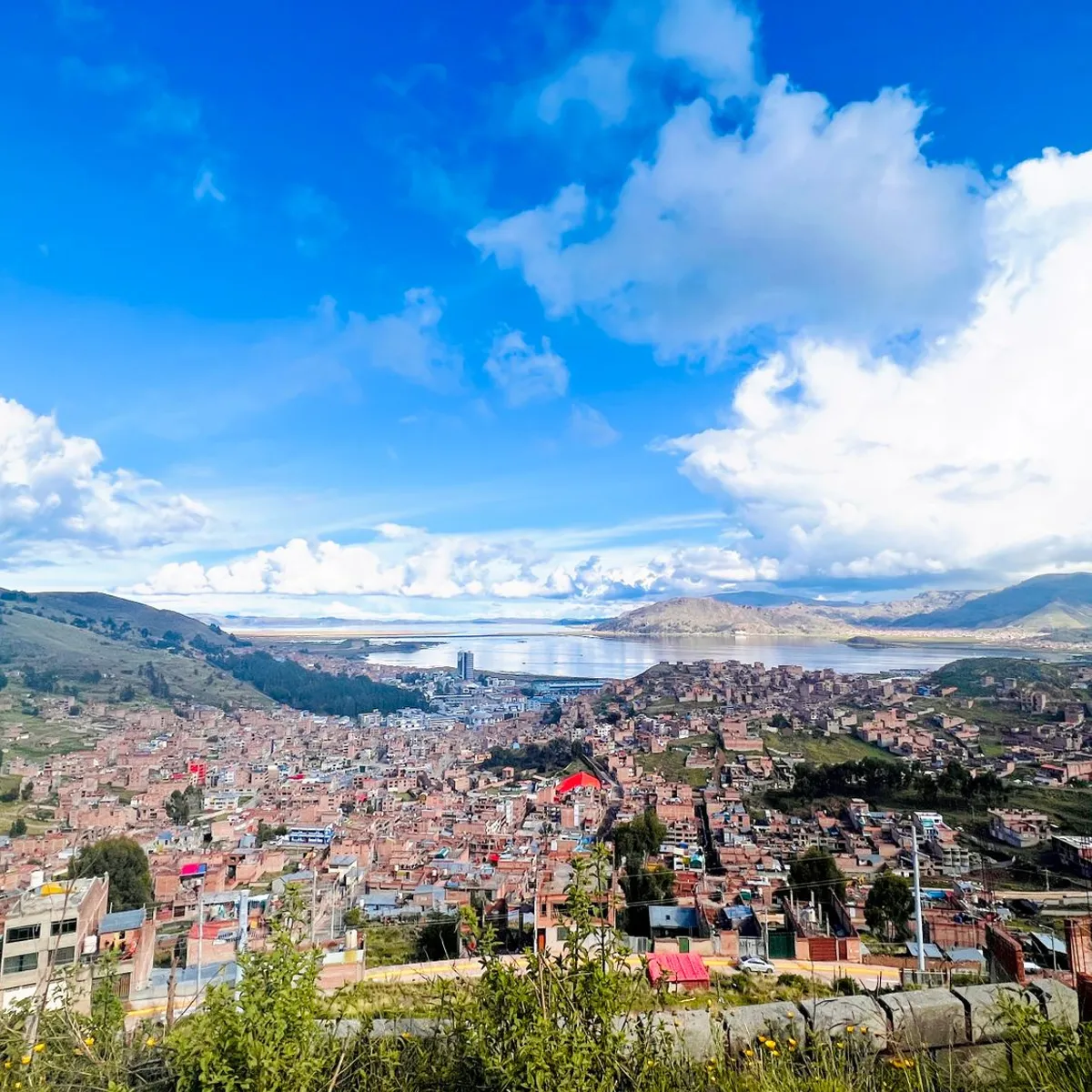
 Photo: Elizabeth Diaz / Pexels
Potosí
Potosí accessibility for wheelchair users
Compare Potosí by accessibility, transport, terrain, healthcare, cost, weather, laws, reviews, and community notes.
Potosí accessibility scores
Compare Potosí by accessibility, transport, terrain, healthcare, cost, weather, and laws. General stats use public data and models. Community rows reflect member reviews and votes.
General stats
National benchmarks and estimates — your experience in this city may differ.
Community
Starts from our estimate — thumbs up nudge toward Excellent, down toward Poor. Reviews use 1–5 stars.
These figures combine public statistics, models, and live weather where available. Every city is different — treat this as a guide, and share what you know in the Reviews & Corrections tab.
Profile last updated 7/1/2026.
Potosí wheelchair accessibility guide
Research Potosí for wheelchair users and caregivers: getting around, terrain, healthcare, costs, climate, accessible things to do, and practical caveats before booking.
Last updated 7/1/2026At a glance
Potosí is compelling but physically demanding for wheelchair users. The historic core is one of Bolivia's great colonial landscapes, with narrow streets, churches, plazas, the Casa Nacional de Moneda, and views toward Cerro Rico, but the city sits at roughly 4,000 m and the stored terrain profile flags very hilly ground, a high average elevation, and steep sampled grades. Treat this as a short, carefully planned stay rather than an easy base. Costs in the database start from ~$2,755/mo, with housing from ~$1,415/mo.
Getting around
Plan around taxis and door-to-door help. Wikivoyage notes cheap taxis and local buses between the centre and terminals, but it does not verify wheelchair access. Ask hotels to arrange drivers who can wait, help with folding chairs, and avoid the steepest blocks. The old and new bus terminals are not ideal first choices for independent wheelchair transfers, so confirm arrival logistics before booking intercity travel.
Terrain & mobility
This is the main risk. OpenTopoData sampling shows a very hilly profile, around 4,080 m average elevation, 16.4% maximum sampled grade, and a large elevation range. The OSM pavement sample is high-confidence but mixed: many ways are untagged, with paved, paving-stone, and concrete-plate surfaces. Expect colonial streets, curb gaps, altitude fatigue, cold wind, and slow transfers. Stay close to Plaza 10 de Noviembre if possible.
Healthcare & care
OSM lists Hospital Universitario, Caja Nacional de Salud, Centro de Salud, Centro de Salud Potosí, and Centro de Salud Pari Orko near the center. These are leads, not access guarantees. Because altitude can worsen respiratory or cardiac conditions, travelers who use ventilatory equipment, have pressure-risk issues, or need reliable personal care should pre-arrange local medical contacts and an evacuation plan to Sucre or La Paz.
Costs & housing
The database estimate is not a bargain by Bolivian standards: from ~$2,755/mo overall and housing from ~$1,415/mo. Accessible housing should be verified by video: entry step, bathroom door width, shower threshold, bed height, heating, elevator reliability, and whether a vehicle can stop at the door on steep streets.
Climate & comfort
The climate profile is cold for much of the year, averaging about 8°C, with frequent snowy-day signals in the dataset. Pack warm layers, gloves for pushing rims, rain protection, and backup batteries; cold and altitude make small access failures feel bigger.
Accessible things to do
Casa Nacional de Moneda— Wikivoyage describes the former royal mint as a guided-tour museum; confirm step-free entry, internal ramps, and tour pacing before arrival.
Plaza 10 de Noviembre area— the central plaza and surrounding colonial facades are the most practical outdoor orientation point, though paving and curb cuts need checking block by block.
Cathedral Basilica of Our Lady of Peace— a central landmark; verify entrance steps and service times rather than assuming independent access.
Cerro Rico viewpoints from town— do this visually from accessible streets or a vehicle. Mine tours are physically hazardous and generally unsuitable for wheelchair users.
Community & language
Spanish is essential for arranging taxis, hotel access checks, and medical help. Tourism workers may know some English, but do not rely on it for accessibility details.
Would we recommend it?
Only for experienced wheelchair travelers who specifically want Potosí's history and can manage altitude, cold, and steep terrain with support. The cultural payoff is high; the independent-access burden is also high.
These figures combine public statistics, models, and live weather where available. Every city is different — treat this as a guide, and share what you know in the Reviews & Corrections tab.
Profile last updated 7/1/2026.