 Photo: Stephen Leonardi / Pexels
Sacramento
Sacramento accessibility for wheelchair users
Compare Sacramento by accessibility, transport, terrain, healthcare, cost, weather, laws, reviews, and community notes.
Sacramento accessibility scores
Compare Sacramento by accessibility, transport, terrain, healthcare, cost, weather, and laws. General stats use public data and models. Community rows reflect member reviews and votes.
General stats
National benchmarks and estimates — your experience in this city may differ.
Community
Starts from our estimate — thumbs up nudge toward Excellent, down toward Poor. Reviews use 1–5 stars.
These figures combine public statistics, models, and live weather where available. Every city is different — treat this as a guide, and share what you know in the Reviews & Corrections tab.
Profile last updated 7/2/2026.
Sacramento wheelchair accessibility guide
Research Sacramento for wheelchair users and caregivers: getting around, terrain, healthcare, costs, climate, accessible things to do, and practical caveats before booking.
Last updated 7/2/2026At a glance
Sacramento is one of the stronger wheelchair candidates in this batch. The live row shows very flat terrain, a high accessibility score, and official source checks found concrete accessibility information for at least one major museum and a major pediatric specialty hospital. The caveat is cost: DB guidance is from ~$4,064/mo, with housing from ~$1,854/mo. It works best for travelers who want U.S.-style ADA protections, flat routes, museums, government sites, and reliable healthcare access.
Getting around
Sacramento Regional Transit accessibility pages were blocked by the research request, so confirm current light-rail, bus, and SacRT GO paratransit details directly before relying on them. The city’s flat grid helps, and ride-hail or accessible taxi planning can fill gaps. If using transit, check elevator status, stop spacing, and heat exposure. Downtown and Midtown can be workable, but curb cuts, construction, and wide crossings still matter.
Terrain & mobility
Terrain is Sacramento’s biggest advantage: the sampled area is mostly flat, with a maximum sampled grade around 0.4% and only about 24 m of elevation range. Pavement data is low-confidence and mostly untagged, so do not assume every sidewalk is smooth, but the lack of steep grades reduces fatigue and transfer risk. Summer shade planning is as important as slope planning.
Healthcare & care
Sacramento has a strong regional healthcare base. The DB includes OSM leads such as Shriners Children’s Northern California, and the Shriners source page verified the Northern California hospital’s presence and pediatric rehabilitation-related services. For adult care, verify provider networks, appointments, and insurance before travel. The city is much safer than remote destinations for equipment repair, prescriptions, and follow-up care, but U.S. costs can be high.
Costs & housing
The DB estimate is from ~$4,064/mo, including housing from ~$1,854/mo. Accessible apartments and hotels exist, but price and neighborhood tradeoffs matter. Ask hotels for ADA room photos, shower type, bed height, and parking route. For longer stays, confirm lease terms, paratransit eligibility, caregiver availability, and whether sidewalks around the building are usable in heat.
Climate & comfort
Sacramento has wet winters and hot, very dry summers. DB climate data shows July and August are nearly rainless, with average temperatures around 25°C, but daytime heat can be much higher. Plan cooling breaks, shade, hydration, and battery management. Winter rain can make curb ramps slick, but temperatures are generally mild compared with northern inland cities.
Accessible things to do
Crocker Art Museum— The museum’s accessibility page says its buildings are architecturally barrier-free, with elevators serving three floors, accessible restrooms, and wheelchairs available first-come.
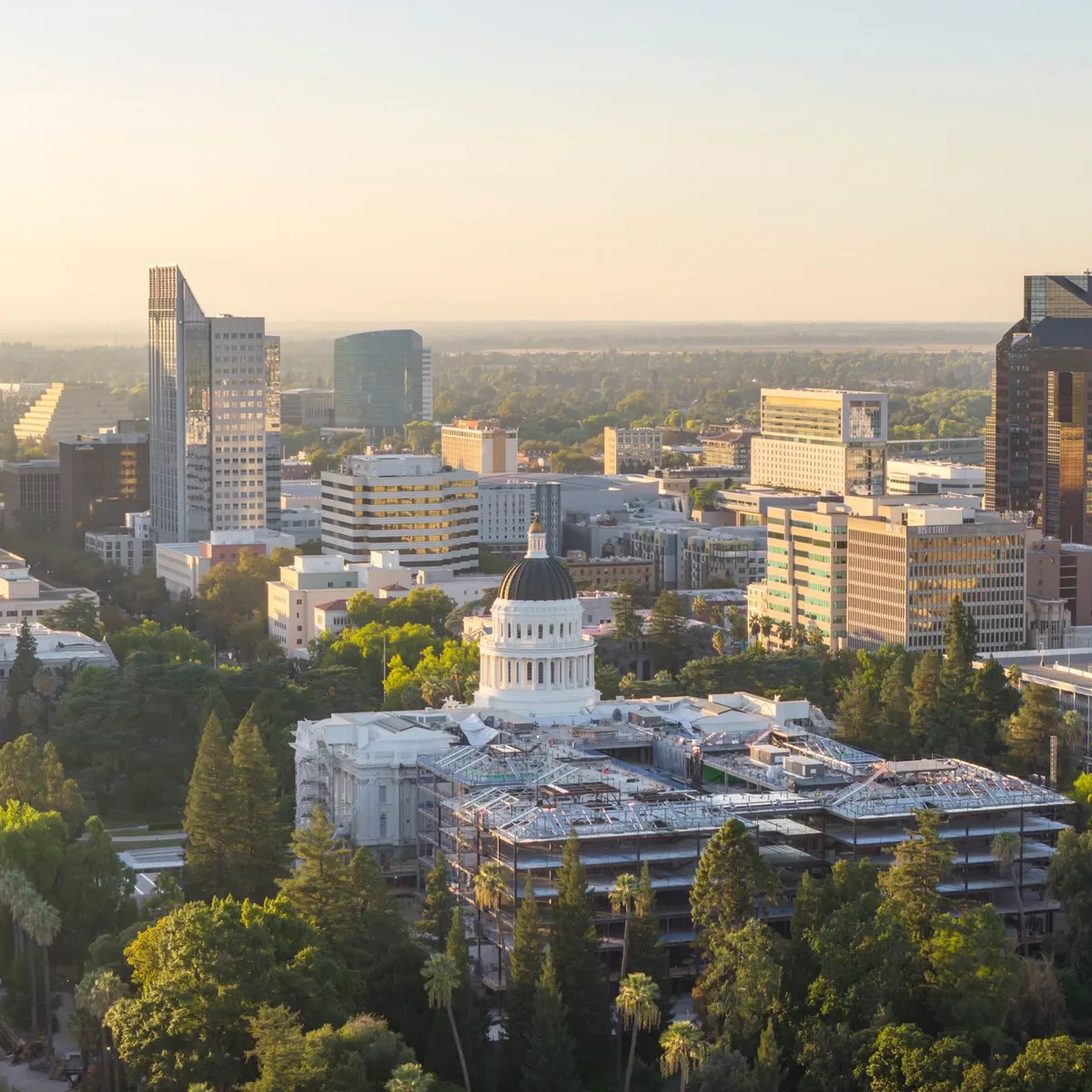
California State Capitol area— A flat downtown landmark area; verify current museum access and security entrance routes before visiting.
Old Sacramento Waterfront— A popular historic district; expect some uneven historic surfaces and verify restaurant thresholds.
American River / riverfront trails— Flat scenic routes can work well if you choose paved segments and check closures, shade, and restroom access.
Shriners Children’s Northern California / UC Davis medical district area— Not a leisure stop, but useful as a healthcare-planning anchor for families and rehab needs.
Community & language
English is the main language, and ADA vocabulary is widely understood. Be precise anyway: “step-free,” “roll-in shower,” “working elevator,” and “accessible parking route” produce better answers than “wheelchair friendly.”
Would we recommend it?
Yes. Sacramento is comparatively practical for wheelchair users who can handle U.S. costs and summer heat. Flat terrain, ADA norms, and healthcare access are strong advantages.
These figures combine public statistics, models, and live weather where available. Every city is different — treat this as a guide, and share what you know in the Reviews & Corrections tab.
Profile last updated 7/2/2026.