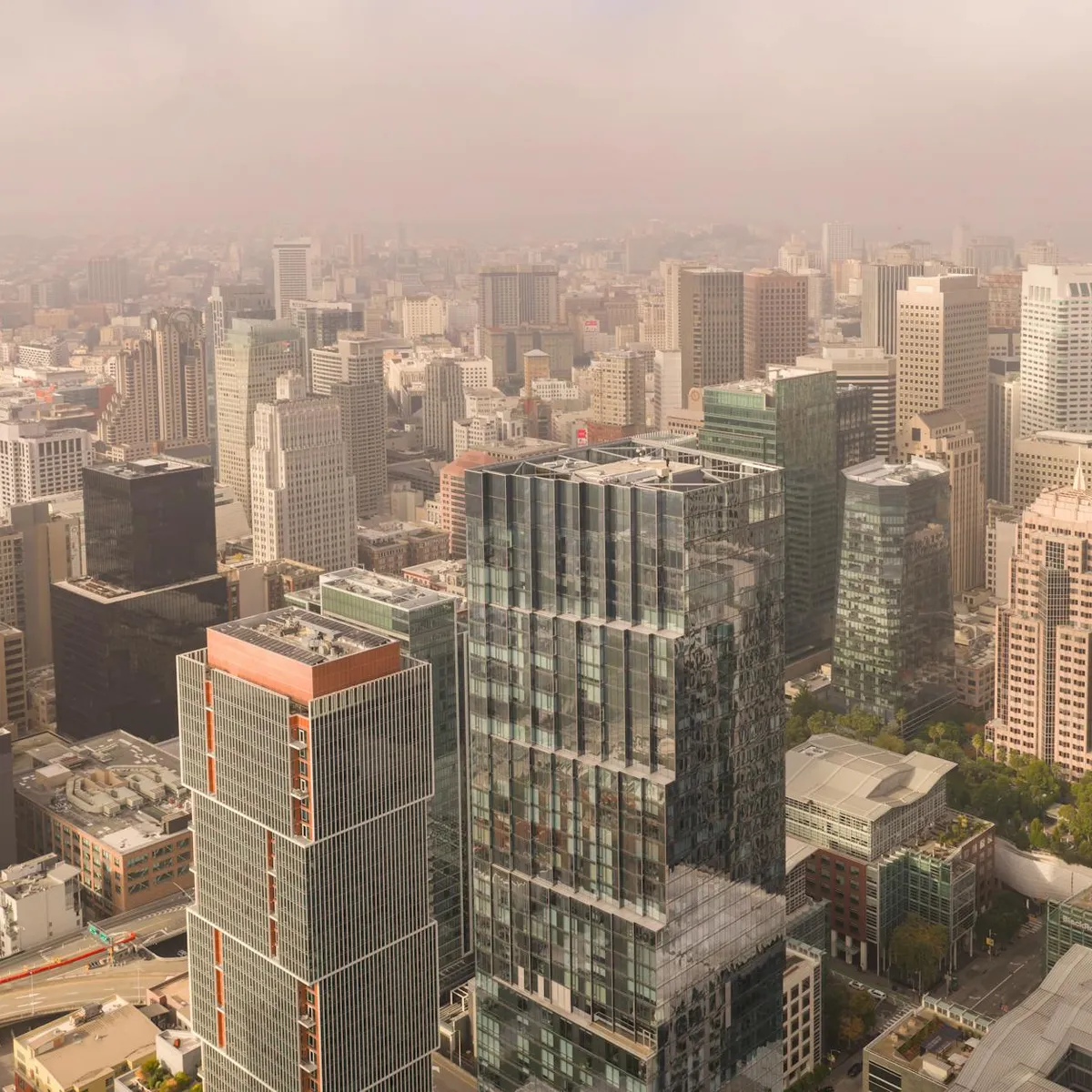
 Photo: Stephen Leonardi / Pexels
San Jose
San Jose accessibility for wheelchair users
Compare San Jose by accessibility, transport, terrain, healthcare, cost, weather, laws, reviews, and community notes.
San Jose accessibility scores
Compare San Jose by accessibility, transport, terrain, healthcare, cost, weather, and laws. General stats use public data and models. Community rows reflect member reviews and votes.
General stats
National benchmarks and estimates — your experience in this city may differ.
Community
Starts from our estimate — thumbs up nudge toward Excellent, down toward Poor. Reviews use 1–5 stars.
These figures combine public statistics, models, and live weather where available. Every city is different — treat this as a guide, and share what you know in the Reviews & Corrections tab.
Profile last updated 6/30/2026.
San Jose wheelchair accessibility guide
Research San Jose for wheelchair users and caregivers: getting around, terrain, healthcare, costs, climate, accessible things to do, and practical caveats before booking.
Last updated 6/30/2026At a glance
San Jose is a practical Silicon Valley base with strong U.S. ADA expectations, useful regional transit links, and high living costs. RollVenture’s row scores it well for access and infrastructure, but the terrain profile is mixed rather than effortless: the city core and many valley neighborhoods are manageable, while foothill trips can bring steeper grades and longer distances. Budget around from ~$4,331/mo using the stored cost profile, with housing the largest pressure point. Treat it as a capable but car-shaped city: good for people who can plan rides, reserve paratransit when eligible, and choose accommodation near light rail, bus corridors, or the specific medical/care network they need.
Getting around
VTA says it provides accessible bus and light rail service under ADA requirements, including assistance with boarding, securement policies, service-animal policies, and ACCESS paratransit information. That makes the transit baseline better than many U.S. metros, but Silicon Valley distances are still large. For a wheelchair user, the safest setup is to stay near Downtown, Diridon, a VTA light-rail stop, or a frequent bus corridor, then confirm elevator, platform, and sidewalk details for each regular trip. Regional Caltrain and BART connections can help for Bay Area travel, but station-by-station elevator status still matters.
Terrain & mobility
The database terrain profile marks San Jose as mixed, with sampled grades reaching 8.2% and a wide elevation range. Downtown and the valley floor are the easiest parts to route through; hillside neighborhoods, park approaches, and some suburban arterials are less forgiving. OSM pavement confidence is low, so do not assume every sidewalk segment has smooth surfaces or curb cuts. For manual wheelchair users, pre-check slopes around housing and medical appointments rather than judging the whole city by downtown.
Healthcare & care
The row contains OSM healthcare leads such as Action Urgent Care and Carbon Health Urgent Care, but these should be treated as starting points, not verified access guarantees. San Jose also sits inside the broader Santa Clara County and Stanford/Sutter/Kaiser care ecosystem, which is useful for specialist access if insurance allows. For relocation, verify wheelchair entry, exam-table transfer support, interpreter needs, appointment lead times, and whether home-aid agencies serve the exact ZIP code.
Costs & housing
Use the stored cost estimate as a high-cost warning: from ~$4,331/mo overall, with housing around ~$2,102/mo and home-aid around ~$902/mo. Accessible apartments are often scarce and competitive, so ask for step-free route photos, bathroom door widths, roll-in shower evidence, parking/van clearance, and elevator backup plans before signing.
Climate & comfort
The climate is generally mild and dry, which helps with pain, equipment maintenance, and outdoor planning. Summer heat and wildfire-smoke days are the bigger comfort risks. Ask buildings about reliable air conditioning or filtration, and keep backup indoor routes for smoky periods.
Accessible things to do
The Tech Interactive— a central museum option to verify through its accessibility/visitor information before going.
San Jose Museum of Art— downtown cultural anchor; confirm current elevator, restroom, and companion policies.
Municipal Rose Garden— mostly outdoor and comparatively gentle, but verify path surfaces after rain or maintenance.
Santana Row / Valley Fair area— useful for dining and shopping with modern curb cuts, though parking, crowds, and long distances can be tiring.
Community & language
English dominates, with strong Spanish, Vietnamese, Chinese, and other Bay Area communities. Disability services are easier to arrange in advance than on arrival; call providers directly rather than relying only on web forms.
Would we recommend it?
Yes, for people with a Bay Area reason to be there, a strong budget, and the ability to choose housing close to transit or care. It is not a low-cost, low-effort destination, but the ADA framework, VTA accessibility program, mild climate, and regional healthcare depth make it workable with careful planning.
These figures combine public statistics, models, and live weather where available. Every city is different — treat this as a guide, and share what you know in the Reviews & Corrections tab.
Profile last updated 6/30/2026.