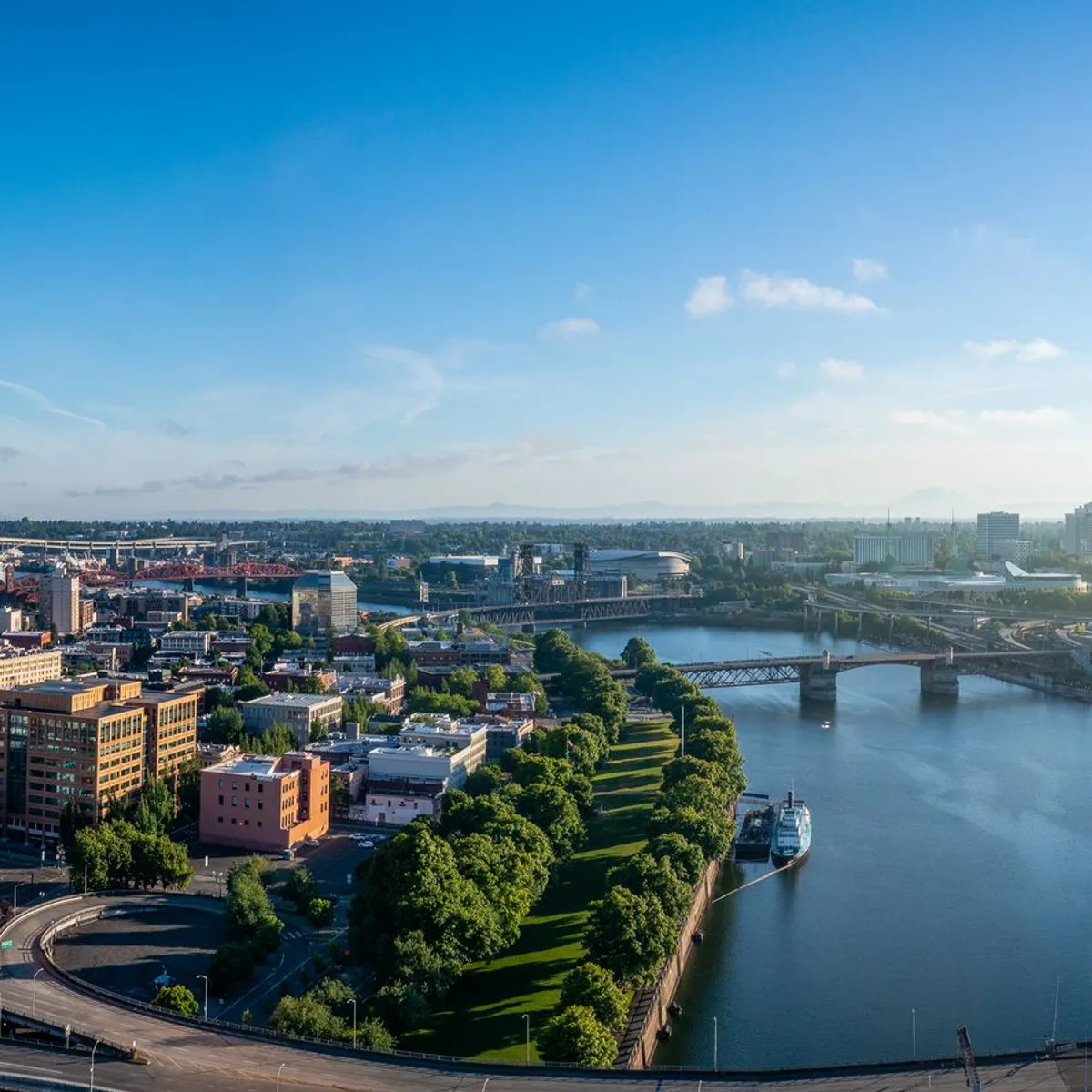
 Photo: Brett Sayles / Pexels
Portland
Portland accessibility for wheelchair users
Compare Portland by accessibility, transport, terrain, healthcare, cost, weather, laws, reviews, and community notes.
Portland accessibility scores
Compare Portland by accessibility, transport, terrain, healthcare, cost, weather, and laws. General stats use public data and models. Community rows reflect member reviews and votes.
General stats
National benchmarks and estimates — your experience in this city may differ.
Community
Starts from our estimate — thumbs up nudge toward Excellent, down toward Poor. Reviews use 1–5 stars.
These figures combine public statistics, models, and live weather where available. Every city is different — treat this as a guide, and share what you know in the Reviews & Corrections tab.
Profile last updated 6/30/2026.
Portland wheelchair accessibility guide
Research Portland for wheelchair users and caregivers: getting around, terrain, healthcare, costs, climate, accessible things to do, and practical caveats before booking.
Last updated 6/30/2026At a glance
Portland is a good candidate for wheelchair users who value transit, parks, food, and a slower neighborhood rhythm, but it is not uniformly easy. The city has strong accessibility infrastructure on paper, and TriMet’s published materials describe accessibility features across buses, trains, reduced fares, travel training, neighborhood shuttles, and LIFT paratransit. The RollVenture row still flags hilly terrain, mixed pavement data, and high costs. Budget from ~$4,287/mo, with housing from ~$2,128/mo.
Getting around
TriMet is the main mobility asset. Its official accessibility page says stops, stations, and vehicles have accessibility features for seniors and people with disabilities, and it specifically describes travel training, LIFT paratransit, bus/MAX/WES/streetcar accessibility information, and contact channels. That makes Portland easier to plan than many U.S. cities. Still, check elevator outages, route alerts, bridge approaches, and station-to-door distances. Some neighborhoods are transit-rich; others require steep sidewalks or rideshare backup.
Terrain & mobility
The DB profile labels Portland hilly, with a 6.2% sampled max grade and medium pavement confidence. Downtown, the Pearl, the South Waterfront, and some east-side commercial corridors can work well, but hills rise quickly west of downtown and toward viewpoints. Rain, leaf litter, curb cuts, older sidewalks, and unpaved park approaches are the practical barriers. Choose lodging near the transit line and attraction cluster you will use most.
Healthcare & care
Portland has a deep healthcare market, but the DB healthcare list is OSM-derived and should be treated as leads only. It includes clinics around the Legacy Emanuel area and urgent-care style entries. Before relocating or staying longer, confirm insurance, accessible exam rooms, rehab/therapy availability, medical-equipment repair, and whether home-care agencies can staff your exact neighborhood. The row estimates home aid around $871/mo and PT around $148/mo.
Costs & housing
Portland’s cost is high, especially for newer elevator buildings and step-free units near MAX or streetcar. Ask landlords for doorway widths, shower setup, elevator dimensions, backup generator policies, grade from sidewalk to entrance, and secure charging/storage. A slightly newer building near frequent transit may be easier than a charming older unit in a hilly area.
Climate & comfort
Rain is the defining comfort issue. It is rarely extreme, but wet brakes, slippery curb ramps, damp clothing, and dark winter afternoons matter. Summers are increasingly hot and smoky at times. Covered transit waits, waterproof joystick covers, gloves, and backup indoor plans are worthwhile.
Accessible things to do
Portland Art Museum— A central, transit-reachable museum option; verify entrance/elevator details and current construction before visiting.
Oregon Museum of Science and Industry (OMSI)— A strong indoor activity with published visitor planning; check exhibit-specific access and transit route.
Tom McCall Waterfront Park / Eastbank Esplanade— Good for river-level rolling, but inspect closures, bridge ramps, and event crowds.
International Rose Test Garden— A signature stop, but terrain and garden paths require careful route choice and drop-off planning.
Community & language
English is the working language. Portland has active disability, transit, bike/pedestrian, and mutual-aid communities, which helps with local route advice. Venue staff are usually familiar with accessibility requests, though smaller restaurants and older storefronts can be inconsistent.
Would we recommend it?
Yes, if you prioritize transit and culture and can choose housing carefully. Portland is most comfortable for wheelchair users who plan around hills and rain, keep TriMet alerts handy, and verify specific venue routes instead of assuming the whole city is step-free.
These figures combine public statistics, models, and live weather where available. Every city is different — treat this as a guide, and share what you know in the Reviews & Corrections tab.
Profile last updated 6/30/2026.