 Photo: JOHN CALLERY / Pexels
Salem
Salem accessibility for wheelchair users
Compare Salem by accessibility, transport, terrain, healthcare, cost, weather, laws, reviews, and community notes.
Salem accessibility scores
Compare Salem by accessibility, transport, terrain, healthcare, cost, weather, and laws. General stats use public data and models. Community rows reflect member reviews and votes.
General stats
National benchmarks and estimates — your experience in this city may differ.
Community
Starts from our estimate — thumbs up nudge toward Excellent, down toward Poor. Reviews use 1–5 stars.
These figures combine public statistics, models, and live weather where available. Every city is different — treat this as a guide, and share what you know in the Reviews & Corrections tab.
Profile last updated 6/30/2026.
Salem wheelchair accessibility guide
Research Salem for wheelchair users and caregivers: getting around, terrain, healthcare, costs, climate, accessible things to do, and practical caveats before booking.
Last updated 6/30/2026At a glance
Salem, Oregon is a practical wheelchair base with strong legal protections, familiar US healthcare processes, and a relatively favorable DB accessibility score of 85. It is not flat everywhere, but the pavement profile is high confidence with 82% good surfaces and only 1% poor. Costs are higher than many non-US cities: the row estimates from ~$3,666/mo, with housing from ~$1,538/mo. Salem works best for travelers who want parks, museums, state-government landmarks, and car/Paratransit-style backup rather than dense big-city transit.
Getting around
Cherriots is the local transit operator and publishes accessibility/paratransit information. Fixed-route buses are the first option to check, but schedules and stop approaches can limit spontaneous travel. If you need door-to-door reliability, investigate Cherriots LIFT eligibility, accessible taxis, or renting an adapted vehicle. Downtown, the Capitol area, Riverfront Park, and nearby museums can be paired into shorter routes if weather cooperates.
Terrain & mobility
The DB terrain sample labels Salem hilly, with a 4% sampled max grade and a 213 m elevation range, but central Salem is usually more manageable than hillside neighborhoods. Pavement data is encouraging, with paved/asphalt/gravel surfaces and high confidence. Rain is the recurring mobility problem: wet leaves, curb puddles, and path grit can matter for small front casters.
Healthcare & care
OSM healthcare leads near the center include Salem Free Clinics, SwiftCare Urgent Care, Nurture Health Clinic, and dialysis/clinic services. Salem Health is the major local hospital system to identify for emergency planning. As always, verify insurance, accessible exam rooms, transfer equipment, and after-hours transport before a longer stay.
Costs & housing
Budget from ~$3,666/mo using the live city row: food around $602/mo, transport around $315/mo, medical around $208/mo, and home aid around $857/mo. ADA standards help, but not every rental is functionally accessible. Ask about step-free parking/drop-off, elevator reliability, bathroom layout, bed height, laundry access, and whether sidewalks between housing and transit have curb cuts.
Climate & comfort
Salem’s summers are pleasant and dry, with July/August around 21°C in the DB climate data. Winters are wet: November through January show heavy precipitation and many rainy days, with occasional snow. Waterproof gear, wheel covers, and a plan for indoor backup activities make winter stays much easier.
Accessible things to do
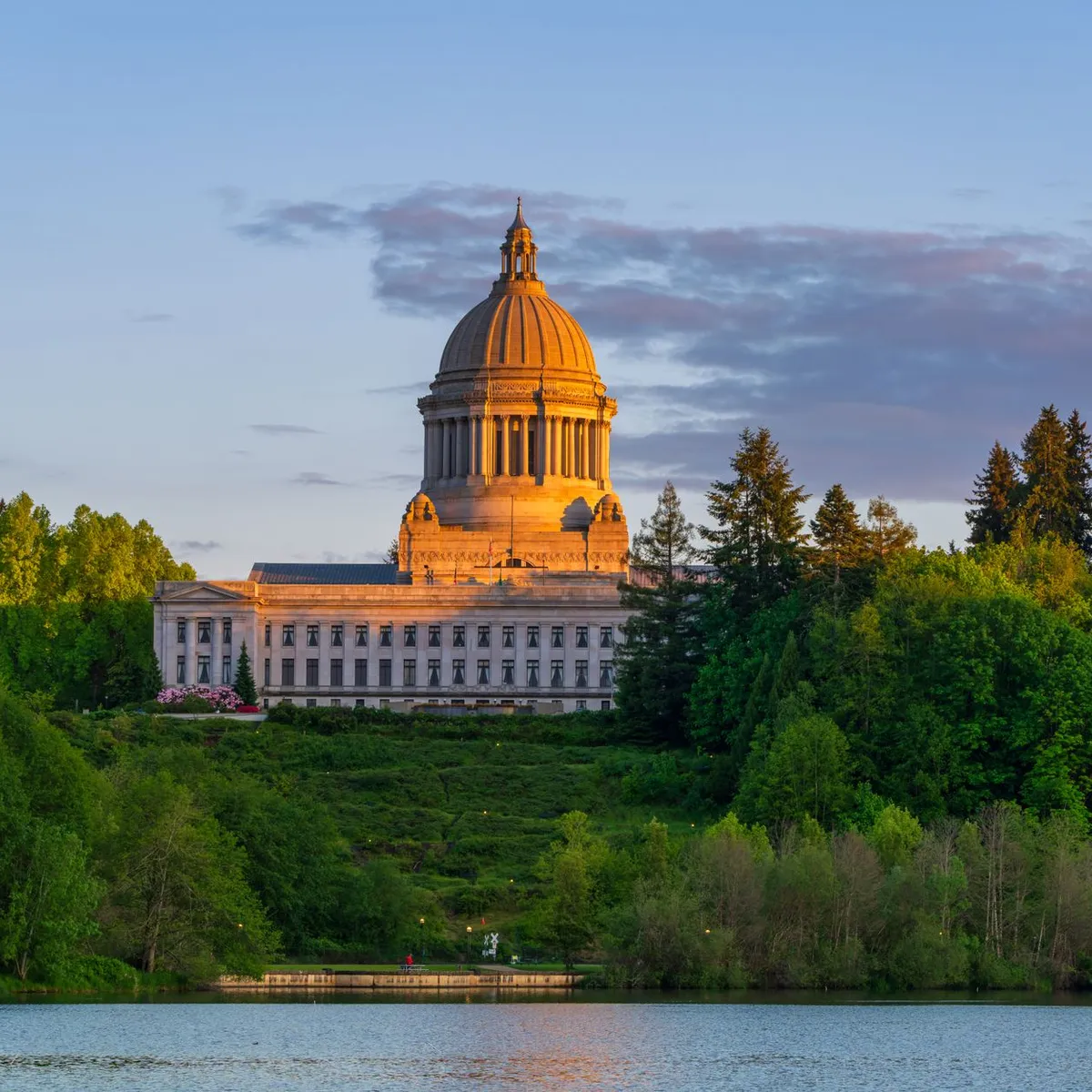
Oregon State Capitol area— A central landmark and useful downtown anchor; verify current construction, entrance, and visitor-access details before going.
Riverfront City Park— A practical outdoor roll near downtown with paved paths, but check weather, path closures, and restroom seasonality.
Willamette Heritage Center— Strong local-history stop; older mill buildings can have varied access, so call ahead for step-free route details.
Hallie Ford Museum of Art— Indoor museum option associated with Willamette University; confirm accessible entrance, elevators, and parking.
Minto-Brown Island Park— Large nature outing with paved/mixed paths; choose short loops and avoid wet or gravel-heavy sections if using small casters.
Community & language
English is the default, and service providers are used to ADA-style access questions. Salem is easier if you are comfortable making phone calls to verify details; smaller venues may not document access well online.
Would we recommend it?
Yes, especially for US-based wheelchair users who value predictable rights, healthcare access, and park/museum days. The main cautions are winter rain, car dependence, and higher monthly costs.
These figures combine public statistics, models, and live weather where available. Every city is different — treat this as a guide, and share what you know in the Reviews & Corrections tab.
Profile last updated 6/30/2026.