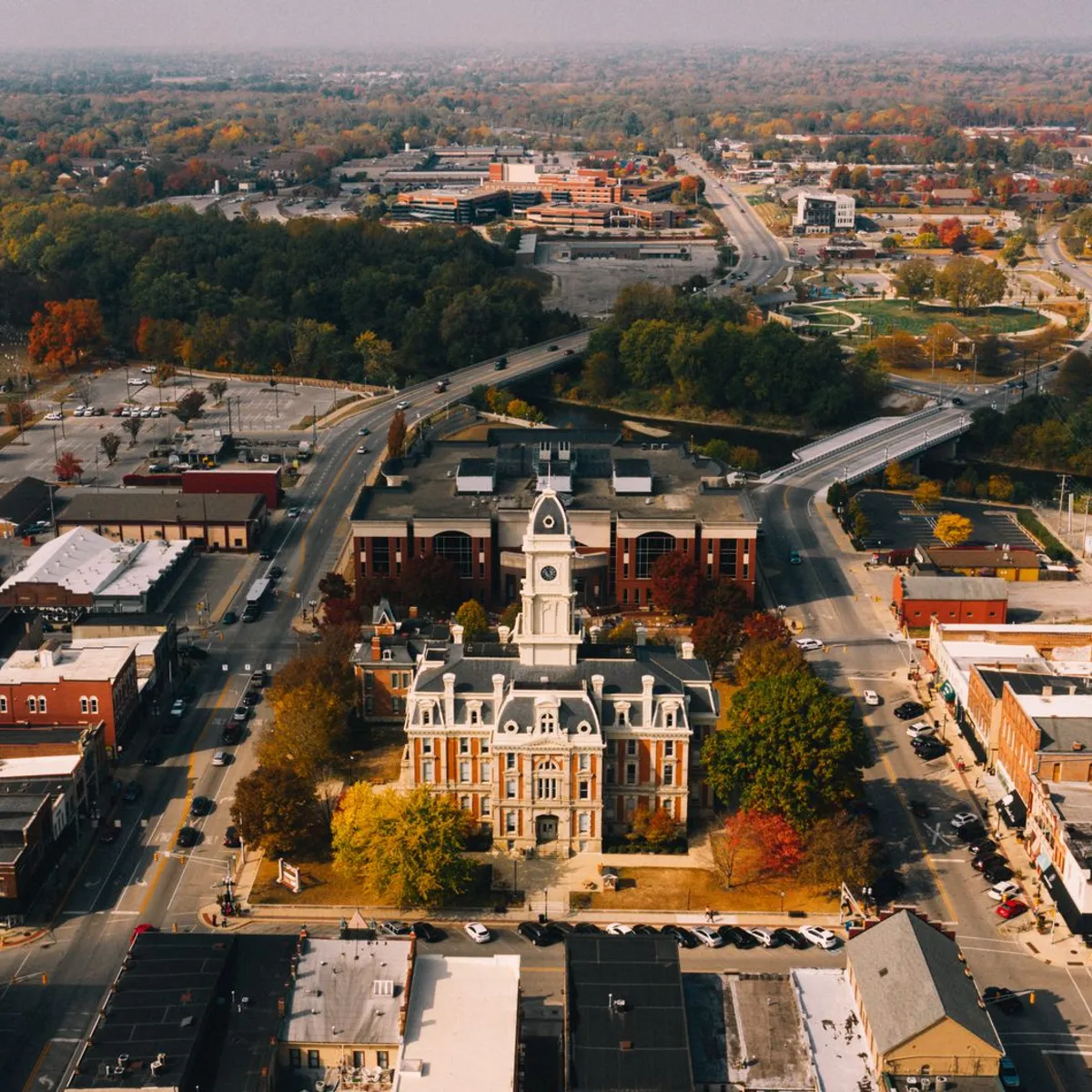
 Photo: K / Pexels
Fayetteville
Fayetteville accessibility for wheelchair users
Compare Fayetteville by accessibility, transport, terrain, healthcare, cost, weather, laws, reviews, and community notes.
Fayetteville accessibility scores
Compare Fayetteville by accessibility, transport, terrain, healthcare, cost, weather, and laws. General stats use public data and models. Community rows reflect member reviews and votes.
General stats
National benchmarks and estimates — your experience in this city may differ.
Community
Starts from our estimate — thumbs up nudge toward Excellent, down toward Poor. Reviews use 1–5 stars.
These figures combine public statistics, models, and live weather where available. Every city is different — treat this as a guide, and share what you know in the Reviews & Corrections tab.
Profile last updated 6/30/2026.
Fayetteville wheelchair accessibility guide
Research Fayetteville for wheelchair users and caregivers: getting around, terrain, healthcare, costs, climate, accessible things to do, and practical caveats before booking.
Last updated 6/30/2026At a glance
Fayetteville is a practical small-city base in northwest Arkansas with a strong university presence, comparatively high accessibility scoring in the RollVenture data, and moderate U.S. costs: from ~$3,612/mo, with housing around $1,450/mo in the stored profile. It is not a flat city; the terrain profile labels it hilly, with an elevation range of about 209 m, so location choice matters. For wheelchair users, the best fit is usually a central apartment or hotel near downtown, the University of Arkansas, Dickson Street, or a planned bus route rather than a hillside neighborhood.
Getting around
Use a mixed plan. Razorback Transit and local public transit can help with the university/downtown corridor, but schedules, paratransit eligibility, and evening coverage should be checked before relying on them. For medical appointments or late returns, budget for rideshare or an accessible taxi/pre-booked van. Downtown Fayetteville is compact, but hills and driveway grades can make short map distances feel longer.
Terrain & mobility
The DB terrain sample is the main caution: mostly flat samples but a hilly label and a 3.8% max sampled grade. Sidewalk quality is mixed; OSM pavement data shows asphalt, concrete, and paved segments but many untagged surfaces. Expect good curb cuts in newer commercial areas and more variation around older residential streets. In summer, heat and humidity make shaded routes and short transfers important.
Healthcare & care
The live row lists UAMS Northwest, WelcomeHealth, the Veterans Health Care System of the Ozarks, and nearby emergency/clinic leads from OpenStreetMap. Treat those as orientation leads, not access guarantees. Confirm step-free entrances, parking, imaging/lab access, and specialist referrals before choosing housing. Home-aid cost in the profile is from ~$872/mo, so recurring personal-care support should be planned early.
Costs & housing
Fayetteville is cheaper than large U.S. metros but not a bargain-basement destination once accessible housing is included. Prioritize newer elevator buildings, roll-in shower confirmation, parking slope, and winter/storm access. If you need daily care, choose proximity to medical providers and grocery delivery over a cheaper hillside unit.
Climate & comfort
Hot, humid summers and stormy periods can make outdoor rolling tiring. Winters are usually milder than northern U.S. cities but can still bring ice, which is a bigger issue on slopes. A place with covered parking, reliable HVAC, and nearby indoor errands will improve day-to-day comfort.
Accessible things to do
TheatreSquared— the theatre publishes mobility, accessible seating, courtesy wheelchair, restroom, service-animal, and assistive-listening information; book accessible seats directly and arrive early.
Walton Arts Center— central Fayetteville performing arts venue; verify accessible seating and drop-off for each show.
Fayetteville Downtown Square & Gardens— useful for a short roll, markets, and dining, but check curb cuts and event crowding.
University of Arkansas campus area— good museums, sports, and public events nearby, though campus hills require route planning.
Community & language
English is the everyday language. The university brings younger residents, events, and some international community, which helps newcomers. Specialist disability services are easier to coordinate than in rural Arkansas, but not as abundant as in a major metro.
Would we recommend it?
Yes, for someone who wants a smaller U.S. city with culture, healthcare leads, and moderate costs, provided they can choose housing carefully and avoid steep daily routes. It is less ideal if you need guaranteed late-night accessible transit or fully flat door-to-door mobility.
These figures combine public statistics, models, and live weather where available. Every city is different — treat this as a guide, and share what you know in the Reviews & Corrections tab.
Profile last updated 6/30/2026.