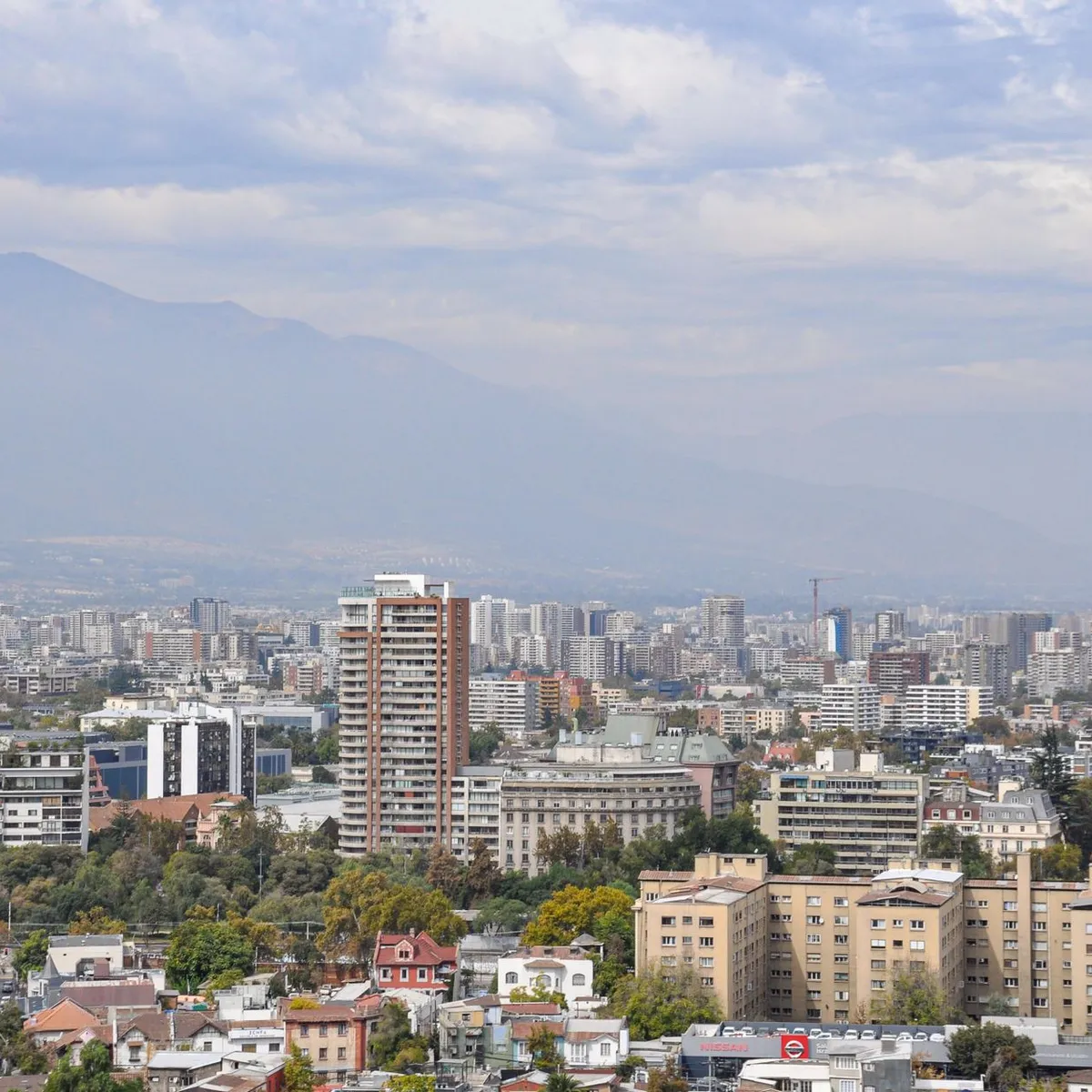
 Photo: Nikolai Kolosov / Pexels
San Bernardo
San Bernardo accessibility for wheelchair users
Compare San Bernardo by accessibility, transport, terrain, healthcare, cost, weather, laws, reviews, and community notes.
San Bernardo accessibility scores
Compare San Bernardo by accessibility, transport, terrain, healthcare, cost, weather, and laws. General stats use public data and models. Community rows reflect member reviews and votes.
General stats
National benchmarks and estimates — your experience in this city may differ.
Community
Starts from our estimate — thumbs up nudge toward Excellent, down toward Poor. Reviews use 1–5 stars.
These figures combine public statistics, models, and live weather where available. Every city is different — treat this as a guide, and share what you know in the Reviews & Corrections tab.
Profile last updated 6/30/2026.
San Bernardo wheelchair accessibility guide
Research San Bernardo for wheelchair users and caregivers: getting around, terrain, healthcare, costs, climate, accessible things to do, and practical caveats before booking.
Last updated 6/30/2026At a glance
San Bernardo is a large commune on the southern edge of Greater Santiago, more of a residential and folklore hub than a polished visitor base. It may suit people who want lower-cost access to Santiago while staying outside the busiest central districts. The DB shows from about ~$2,460/mo, strong pavement indicators, and moderate disability-law context for Chile. The tradeoff is that accessible tourism information is thin, and many attractions are event-based, outdoor, or require transfers.
Getting around
Use Santiago-area rail, buses, taxis, and ride-hailing as a network, but verify step-free station access for the exact route before committing. San Bernardo is connected to the metropolitan area, yet wheelchair users should not assume every station entrance, bus stop, or sidewalk crossing is usable. For medical trips or airport transfers, private vehicles are safer. The DB transport estimate is around ~$218/mo, but adapted transport can cost more.
Terrain & mobility
The local terrain is hilly in the DB profile, though sampled grades are not extreme, and pavement data is unusually strong: high confidence, mostly asphalt/concrete/paved surfaces, and about 98% good tagged surfaces. That makes San Bernardo more promising for everyday rolling than many cities in this batch. Still, crossings, curb cuts, and older public buildings need spot-checking. Heat and air quality in the Santiago basin can also affect comfort.
Healthcare & care
Nearby healthcare leads from OpenStreetMap include Laboratorio Macromédica, Integramédica, Centro Médico Santa Elena, Clínica Dávila Maipú, and Hospital de Niños farther away. These are leads only; confirm insurance, appointment access, lifts, and accessible toilets. DB estimates are medical from ~$146/mo, PT from ~$102/mo, and home aid from ~$549/mo. Spanish is important for care coordination.
Costs & housing
Housing is estimated around ~$1,028/mo and food around ~$417/mo. As a suburban/residential base, San Bernardo may offer larger apartments than central Santiago, but step-free housing is not automatic. Check building entrance gradients, elevator size, bathroom layout, parking, and proximity to a step-free station or reliable taxi pickup point.
Climate & comfort
San Bernardo has Santiago-style seasons: hot dry summers, cooler winters, and periodic air-quality issues. Shade planning matters in summer, while winter rain can make curb ramps and older sidewalks more difficult. The best mobility window is often spring or autumn.
Accessible things to do
Plaza de San Bernardo— the central square is the simplest orientation point; verify curb cuts and nearby accessible toilets.
Festival Nacional del Folklore— San Bernardo is known as a folklore capital; event access depends on venue setup, seating, and crowd control, so request details early.
Abril Cuecas Mil— another major cueca/folklore event; treat it as potentially rewarding but assistance-dependent.
Pucará de Chena / Cerro Chena area— culturally important, but it is an outdoor hill/archaeological landscape and likely unsuitable for many wheelchair users without vehicle access and help.
Community & language
Spanish is the working language. The community profile is local and residential rather than tourist-facing, so arrange translations for leases, clinics, and disability services. Chilean disability rights exist, but enforcement and practical access still vary by building.
Would we recommend it?
Yes, with planning, for a cost-conscious Santiago-area stay where private transport or verified rail access is available. It is less appealing as a standalone tourist destination, but the pavement profile and metropolitan access make it workable for some wheelchair users.
These figures combine public statistics, models, and live weather where available. Every city is different — treat this as a guide, and share what you know in the Reviews & Corrections tab.
Profile last updated 6/30/2026.