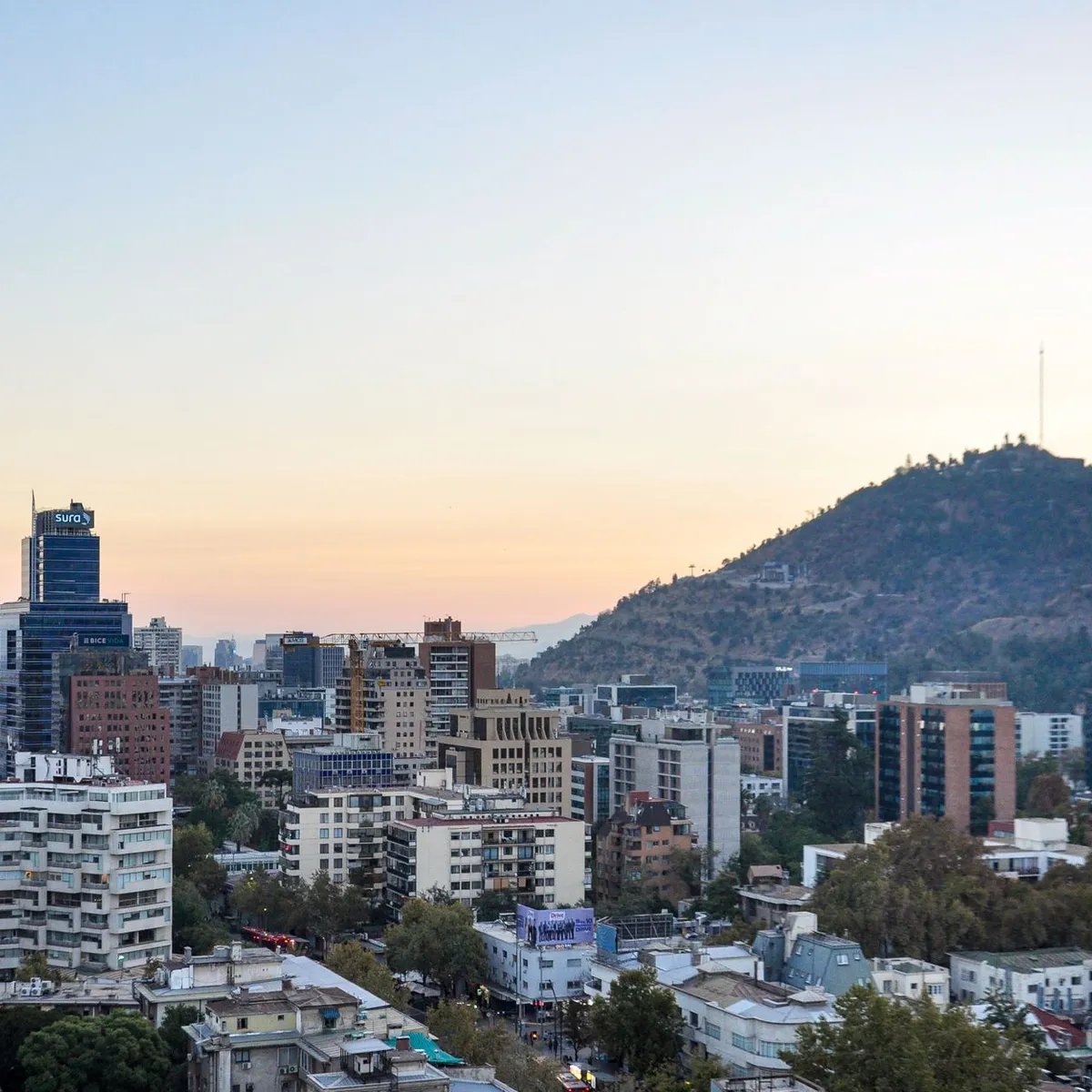
 Photo: Nikolai Kolosov / Pexels
Santiago
Santiago accessibility for wheelchair users
Compare Santiago by accessibility, transport, terrain, healthcare, cost, weather, laws, reviews, and community notes.
Santiago accessibility scores
Compare Santiago by accessibility, transport, terrain, healthcare, cost, weather, and laws. General stats use public data and models. Community rows reflect member reviews and votes.
General stats
National benchmarks and estimates — your experience in this city may differ.
Community
Starts from our estimate — thumbs up nudge toward Excellent, down toward Poor. Reviews use 1–5 stars.
These figures combine public statistics, models, and live weather where available. Every city is different — treat this as a guide, and share what you know in the Reviews & Corrections tab.
Profile last updated 6/30/2026.
Santiago wheelchair accessibility guide
Research Santiago for wheelchair users and caregivers: getting around, terrain, healthcare, costs, climate, accessible things to do, and practical caveats before booking.
Last updated 6/30/2026At a glance
Santiago is the strongest live-backfill candidate in this batch for infrastructure depth: it has a large metro network, major hospitals, museums, parks, and a wide range of housing. RollVenture estimates living costs from ~$2,365/mo and housing from ~$840/mo. Accessibility is uneven by district, but the city offers more redundancy than smaller destinations: if one station, sidewalk, or venue fails, there are usually alternative routes and providers.
Getting around
Metro de Santiago’s official site confirms the network is active and provides trip planning and live line status. Use metro only after checking station-specific lift status, because an accessible route can fail if a single elevator is out. Ride-hailing and taxis are useful backups; fully wheelchair-accessible vehicles are less predictable and should be booked ahead where possible. Buses vary by route and crowding.
Terrain & mobility
Central Santiago is mostly manageable but not flat everywhere. The terrain profile is hilly overall, with average elevation around 593 m and sampled grades up to 5.3%. Pavement data is a strength: 94% good surfaces in the OSM sample, high confidence, and dominant surfaces including concrete, asphalt, and paved. The best bases are near modern metro stations, Providencia, Las Condes, or central areas with smoother sidewalks.
Healthcare & care
The row includes Hospital Clínico Universidad de Chile and Clínica Alemana de Santiago as curated healthcare anchors. Santiago also has many private clinics and public hospitals, but access, language support, insurance acceptance, and appointment speed vary. For ongoing care, choose housing near your target provider and confirm elevator access, accessible toilets, and emergency entry points.
Costs & housing
Costs are moderate for a capital: from ~$2,365/mo overall and ~$840/mo for housing in the DB. Accessible housing supply is better than in smaller cities, but not automatic. Ask for building elevator dimensions, backup power policies, step-free garage/lobby access, bathroom turning space, and whether nearby sidewalks have curb ramps.
Climate & comfort
Summers are dry and hot, with smog episodes possible; winter is cooler and wetter. Air quality can affect respiratory comfort. Choose housing with reliable cooling, heating, and a route that avoids long exposed crossings.
Accessible things to do
Parque Bicentenario / Vitacura parks— good candidates for smoother outdoor routes; verify restroom and parking details.
Centro Cultural La Moneda— central cultural venue near metro; confirm current lift and exhibition access before visiting.
Museo Chileno de Arte Precolombino— major museum in the historic center; check entrance, lifts, and restroom access.
Sky Costanera / Costanera Center— modern mall/tower environment with elevators and indoor backup, though crowds can be heavy.
Cerro Santa Lucía or San Cristóbal viewpoints— iconic but hill-dependent; use only accessible segments or vehicle-supported routes after checking current conditions.
Community & language
Spanish is essential for daily errands; English is more common in private healthcare, hotels, and international districts. Disability rights awareness is stronger than in many regional cities, but maintenance gaps still happen.
Would we recommend it?
Yes. Santiago is not seamless, but it has enough transport, healthcare, housing, and venue redundancy to be a practical base for many wheelchair users who verify station lifts and choose housing carefully.
These figures combine public statistics, models, and live weather where available. Every city is different — treat this as a guide, and share what you know in the Reviews & Corrections tab.
Profile last updated 6/30/2026.