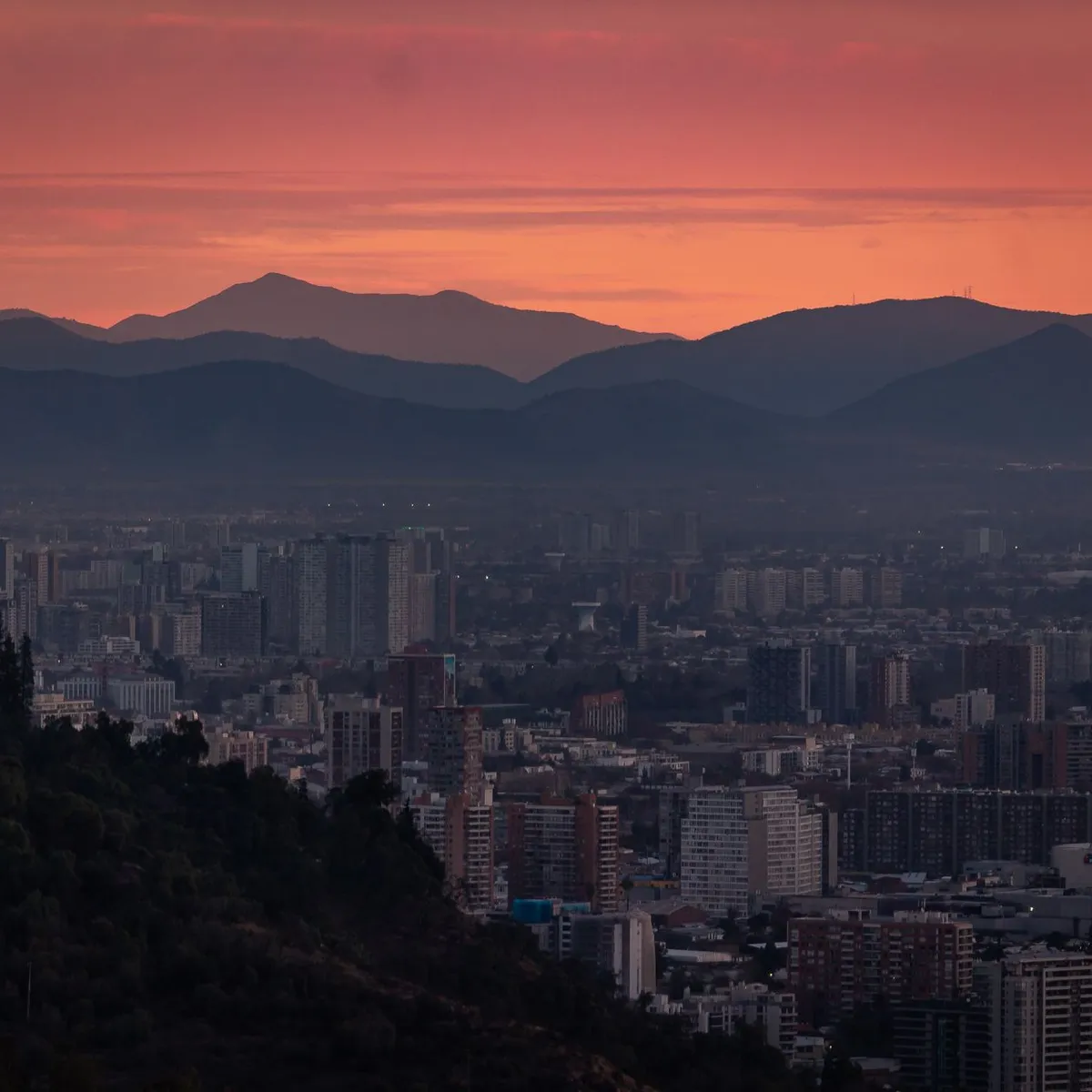
 Photo: Alexis Leandro Jeria Bocca / Pexels
Villa Alemana
Villa Alemana accessibility for wheelchair users
Compare Villa Alemana by accessibility, transport, terrain, healthcare, cost, weather, laws, reviews, and community notes.
Villa Alemana accessibility scores
Compare Villa Alemana by accessibility, transport, terrain, healthcare, cost, weather, and laws. General stats use public data and models. Community rows reflect member reviews and votes.
General stats
National benchmarks and estimates — your experience in this city may differ.
Community
Starts from our estimate — thumbs up nudge toward Excellent, down toward Poor. Reviews use 1–5 stars.
These figures combine public statistics, models, and live weather where available. Every city is different — treat this as a guide, and share what you know in the Reviews & Corrections tab.
Profile last updated 6/30/2026.
Villa Alemana wheelchair accessibility guide
Research Villa Alemana for wheelchair users and caregivers: getting around, terrain, healthcare, costs, climate, accessible things to do, and practical caveats before booking.
Last updated 6/30/2026At a glance
Villa Alemana is a residential city in Chile's Valparaíso Region, useful mainly as a calmer, lower-key base near Quilpué, Viña del Mar, and Valparaíso rather than as a standalone sightseeing heavyweight. RollVenture estimates costs from ~$2,244/mo. The accessibility picture is mixed: pavement data is relatively strong, but the terrain profile is hilly and the city sits in a metro area where curb cuts, station access, and sidewalk continuity can change block by block.
Getting around
Villa Alemana is part of the Greater Valparaíso urban corridor and is served by regional rail/metro links, but wheelchair users should verify station elevator status before relying on any route. For medical appointments, beach days, or Valparaíso trips, pre-booked accessible taxi or private transfer is safer. Local streets may be manageable in central areas, but hills and driveway cuts add fatigue.
Terrain & mobility
The city profile shows hilly terrain, a 612 m elevation range, and good OSM surface tagging with a high pavement score. That means many mapped ways are paved or asphalt/concrete, but slope remains a practical barrier. Pick lodging close to the station or on flatter central streets, and check actual gradients to supermarkets, pharmacies, and cafés.
Healthcare & care
OpenStreetMap healthcare leads include Hospital Juana Ross de Edwards, Centro de Salud Las Américas, CECOSF Estación Las Coimas, CESFAM Aviador Acevedo, and Uno Salud. These listings are good starting points, not access guarantees. For serious care, many travelers will also look toward Viña del Mar or Valparaíso; confirm emergency routing and accessible transport times.
Costs & housing
Estimated housing is around $867/mo. The local advantage is residential supply; the drawback is that many homes and apartment entries may have stairs, narrow bathrooms, or steep approaches. Ask for video of the building entrance, lift, bathroom, and street slope. A slightly more expensive unit near transit or clinics can reduce daily transfer risk.
Climate & comfort
The climate is milder than inland Chile, with dry summers and wetter winters. Winter rain is the main wheelchair comfort issue, especially where sidewalks slope, curb ramps collect water, or older concrete has cracks. Summers are generally easier for outdoor rolling if sun exposure is managed.
Accessible things to do
Central Villa Alemana plazas and civic area— Use the central blocks for low-effort errands, cafés, and people-watching; verify curb cuts at crossings.
Metro/rail corridor day trips— If station elevators are working, nearby Quilpué and Viña del Mar can add accessible urban variety; check lift status the same day.
Viña del Mar waterfront from a Villa Alemana base— A planned transfer to the coast can be easier than staying in steeper Valparaíso; confirm beach promenade ramps.
Local parks and neighborhood routes— Choose parks close to your lodging with paved paths; avoid assuming hillside viewpoints are chair-friendly.
Community & language
Spanish is essential for calls to clinics, landlords, and transport providers. Chile has legal accessibility frameworks, but real-world implementation in smaller residential cities is uneven.
Would we recommend it?
Yes as a practical base for someone who wants the Valparaíso metro area without staying on the steepest tourist streets. Verify slopes and station access before committing.
These figures combine public statistics, models, and live weather where available. Every city is different — treat this as a guide, and share what you know in the Reviews & Corrections tab.
Profile last updated 6/30/2026.