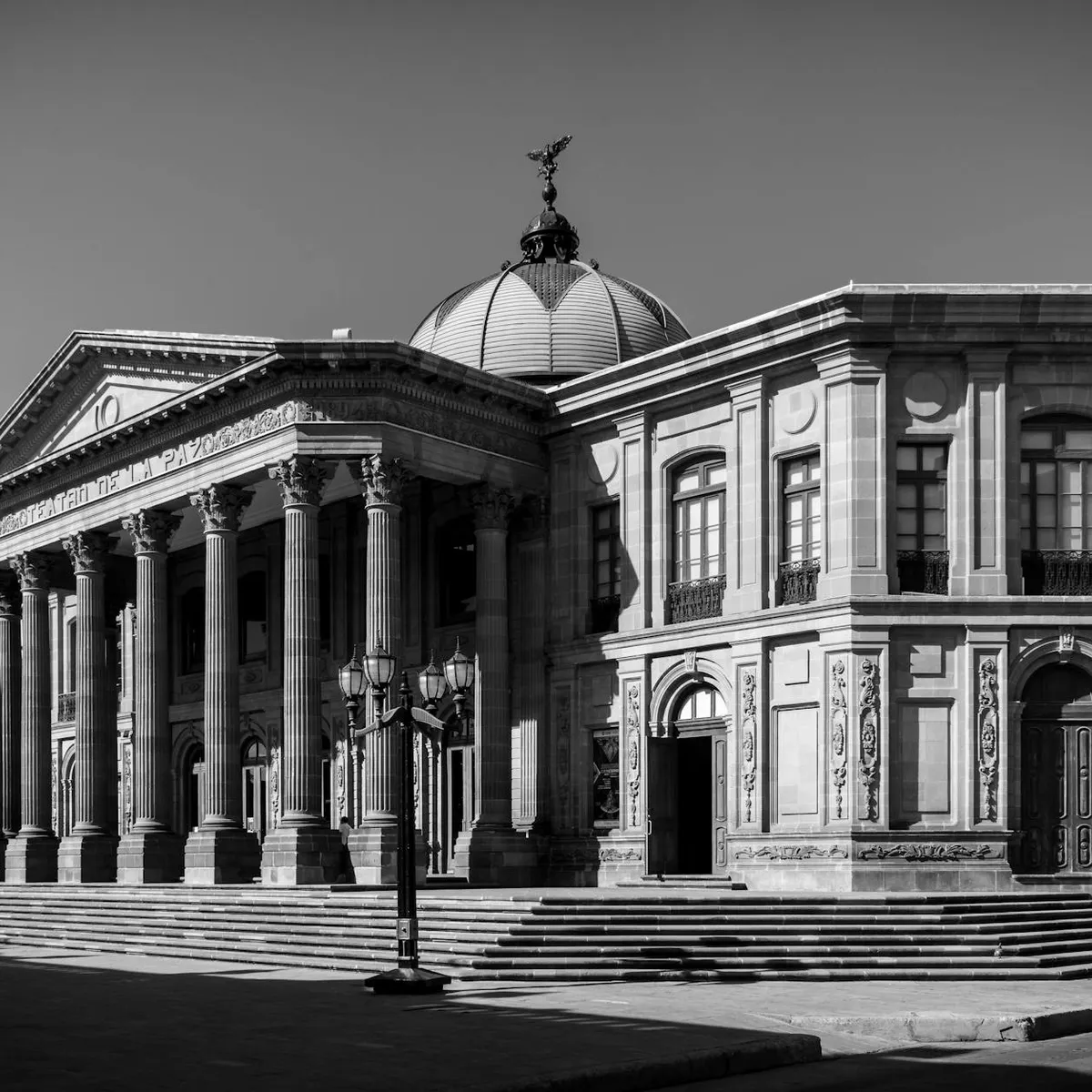
 Photo: Alberto Alvarez / Pexels
San Luis Potosí
San Luis Potosí accessibility for wheelchair users
Compare San Luis Potosí by accessibility, transport, terrain, healthcare, cost, weather, laws, reviews, and community notes.
San Luis Potosí accessibility scores
Compare San Luis Potosí by accessibility, transport, terrain, healthcare, cost, weather, and laws. General stats use public data and models. Community rows reflect member reviews and votes.
General stats
National benchmarks and estimates — your experience in this city may differ.
Community
Starts from our estimate — thumbs up nudge toward Excellent, down toward Poor. Reviews use 1–5 stars.
These figures combine public statistics, models, and live weather where available. Every city is different — treat this as a guide, and share what you know in the Reviews & Corrections tab.
Profile last updated 6/30/2026.
San Luis Potosí wheelchair accessibility guide
Research San Luis Potosí for wheelchair users and caregivers: getting around, terrain, healthcare, costs, climate, accessible things to do, and practical caveats before booking.
Last updated 6/30/2026At a glance
San Luis Potosí is a historic highland city with a compact colonial center, plazas, museums, and strong regional tourism links. For wheelchair users, the appeal is real but so are the constraints: RollVenture’s profile shows only modest accessibility, low-confidence pavement data, and hilly terrain. The historic core can be rewarding if you keep days short and verify step-free entrances one stop at a time. Budget from ~$2,161/mo, with housing from ~$905/mo.
Getting around
Do not plan San Luis Potosí as a city where a wheelchair user can simply roll everywhere. Taxis or ride-hailing are the safer default between lodging, hospitals, museums, and restaurants, especially after dark or during heat. The historic center’s plazas are close together, but curb cuts, stone surfaces, parked cars, and narrow sidewalks can turn short map distances into difficult transfers. Ask hotels to arrange drivers who understand wheelchair loading.
Terrain & mobility
The database terrain sample labels the city hilly, with a 5% maximum sampled grade and nearly 400 m elevation range. Pavement sampling has low confidence and only a small share of tagged good surfaces, so treat smooth routes as something to verify locally, not assume. Historic plazas may have flatter sections, while side streets can mix stone, concrete plates, missing ramps, and sudden slopes.
Healthcare & care
OSM healthcare leads near the center include Biónica lesiones deportivas, La Bene San Luis, Axioma Centro Médico, Hospital de las Américas, and IMSS Unidad de Medicina Familiar n.49. Confirm access in advance, especially for elevators, exam-room transfer space, and whether the entrance is level from the street. For longer stays, identify a hospital and a pharmacy near your lodging before arrival.
Costs & housing
Estimated monthly cost is from ~$2,161/mo, with housing from ~$905/mo. Wheelchair-friendly housing may cost more than the city average because elevators, ramps, and step-free bathrooms are not guaranteed in colonial or older buildings. Request current photos of building entry, shower threshold, bathroom layout, bedroom turning space, and the slope between the street and entrance.
Climate & comfort
The highland climate is generally drier than coastal Mexico, but sun exposure is strong and evenings can cool quickly. Heat management still matters on exposed plazas. Rain can make stone or concrete surfaces slick, so schedule museum-heavy days when storms are likely.
Accessible things to do
Plaza de Armas / historic center— The main civic core is the most logical low-distance outing. Verify curb cuts and choose a nearby drop-off to avoid long rolls over uneven streets.
Catedral Metropolitana de San Luis Potosí— A central landmark worth considering from the plaza area; confirm step-free entrance details before relying on an interior visit.
Museo Nacional de la Máscara— A major museum lead in the historic center. Contact ahead for ramp, elevator, and restroom details rather than assuming full access.
Centro de las Artes de San Luis Potosí— A larger cultural complex and strong destination candidate; verify accessible parking/drop-off, internal route length, and event-specific access.
Community & language
Spanish is the working language for access checks. Locals are often helpful, but “accessible” may mean only a ramp at the entrance, not wheelchair bathrooms or transfer space. Bring measurements and ask concrete questions.
Would we recommend it?
Yes for travelers who like historic centers and can tolerate uneven surfaces with a companion or taxi support. It is less suitable for a first solo wheelchair trip in Mexico because sidewalk and building access need frequent verification.
These figures combine public statistics, models, and live weather where available. Every city is different — treat this as a guide, and share what you know in the Reviews & Corrections tab.
Profile last updated 6/30/2026.