 Photo: Jean Marc Bonnel / Pexels
San-Pédro
San-Pédro accessibility for wheelchair users
Compare San-Pédro by accessibility, transport, terrain, healthcare, cost, weather, laws, reviews, and community notes.
San-Pédro accessibility scores
Compare San-Pédro by accessibility, transport, terrain, healthcare, cost, weather, and laws. General stats use public data and models. Community rows reflect member reviews and votes.
General stats
National benchmarks and estimates — your experience in this city may differ.
Community
Starts from our estimate — thumbs up nudge toward Excellent, down toward Poor. Reviews use 1–5 stars.
These figures combine public statistics, models, and live weather where available. Every city is different — treat this as a guide, and share what you know in the Reviews & Corrections tab.
Profile last updated 7/2/2026.
San-Pédro wheelchair accessibility guide
Research San-Pédro for wheelchair users and caregivers: getting around, terrain, healthcare, costs, climate, accessible things to do, and practical caveats before booking.
Last updated 7/2/2026At a glance
San-Pédro is a port city in southwestern Côte d'Ivoire, the seat of Bas-Sassandra and San-Pédro Region, and a gateway toward beaches and Taï National Park. It has more visitor appeal than many same-score rows because the city has a known port, airport, beaches, and regional services. Wheelchair access is still a serious caveat: RollVenture's live row shows low ramp availability and weak wheelchair transport, so treat it as a supported coastal base, not an easy resort city.
Getting around
Plan on private vehicles, hotel transfers, and pre-arranged drivers. San-Pédro Airport can simplify arrival, but accessible transfer vehicles should be confirmed before buying flights. Within town, informal taxis and beach access roads are unlikely to be wheelchair-ready. If visiting beaches or the port area, keep the vehicle close and ask locals to scout sand, steps, and drainage before unloading.
Terrain & mobility
The terrain sample is mostly flat, which helps, but pavement data shows many unpaved, ground, asphalt, and dirt surfaces. Flat plus rough can still be exhausting: expect sandy shoulders, broken paving, open drains, and step-up storefronts. Rain may turn beach approaches or laterite roads muddy. Manual-chair users should bring push assistance; power-chair users should confirm firm surfaces and battery-safe routing.
Healthcare & care
OSM lists several central clinic leads: Clinique la Rosette, Clinique Notre Dame de San Pedro, Centre Médical Pasteur, Clinique Centrale de San-Pédro, and other nearby clinics. These are useful proximity signals, not verified accessible or specialist facilities. Confirm hours, emergency capability, entrance steps, and payment requirements before relying on them. For complex needs, plan escalation toward Abidjan.
Costs & housing
The live estimate is from ~$2,297/mo, with housing from ~$1,182/mo. Coastal hotels may offer better vehicle access than small guesthouses, but beach-oriented properties often have sand, steps, and uneven paths. Ask for photos of the entrance, parking-to-room route, bathroom, shower, and any restaurant or breakfast area.
Climate & comfort
San-Pédro is hot, humid, and coastal. Heat, rain, and sand are the main comfort issues. Build plans around morning or late-afternoon outings, shaded breaks, and a backup indoor stop.
Accessible things to do
San-Pédro beaches— The city is known for beaches; wheelchair access depends on firm approach routes, hotel frontage, and staff help, so verify before arrival.
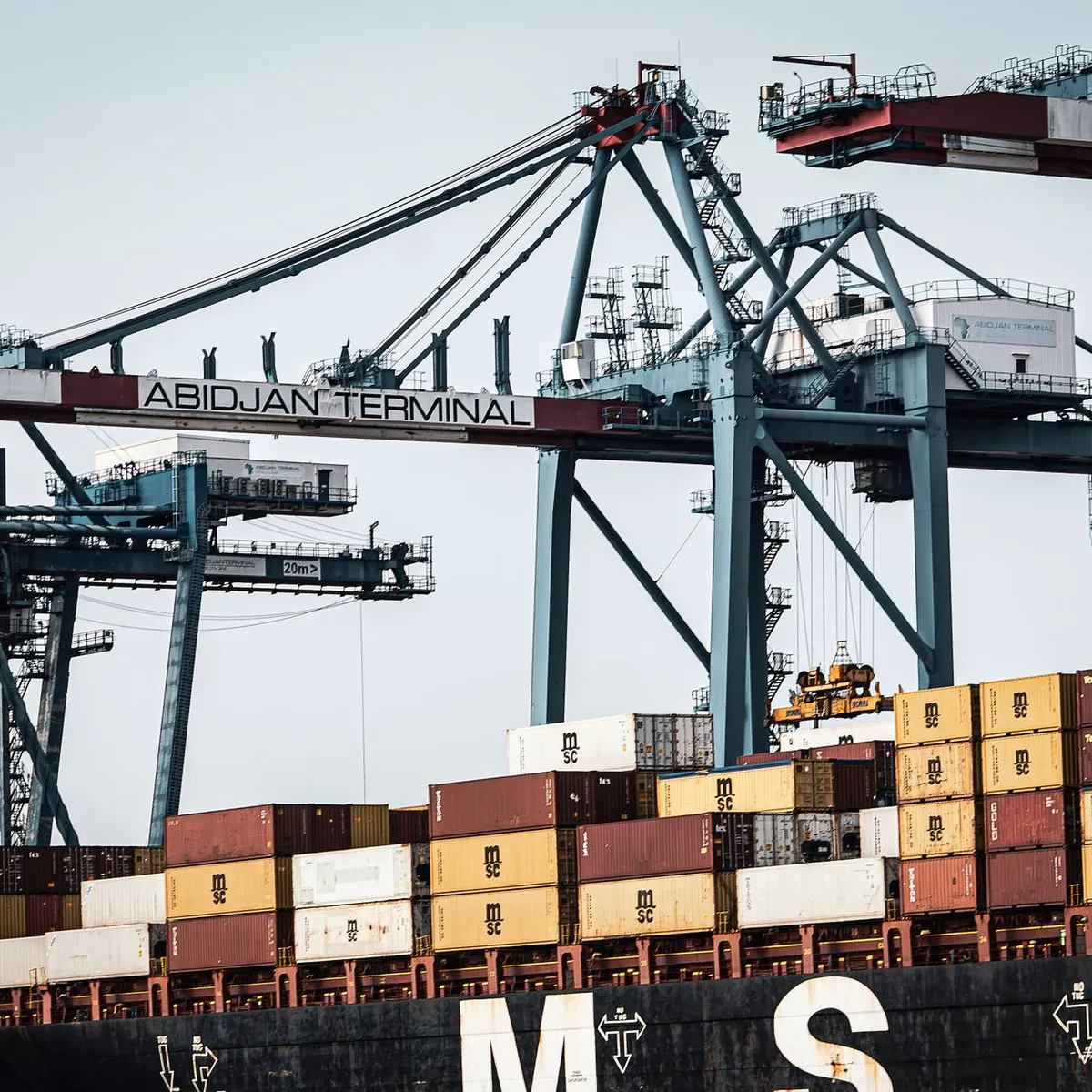
Port Autonome de San Pedro area— The port is a defining city feature; exterior viewing or business visits may be possible by vehicle, with security and access checks.
Central waterfront and restaurant stops— Choose venues where a driver can inspect thresholds, toilet access, and seating before you unload.
Taï National Park excursion planning— The park is northwest of the city and UNESCO-listed; treat it as a major assisted excursion requiring operator confirmation, not a spontaneous accessible outing.
Community & language
French is the main formal language. Some hotel and tourism contacts may use English, but French messages with specific access questions will work better. Local help is important for transport, clinic calls, and beach scouting.
Would we recommend it?
Yes, cautiously, for travelers who want a coastal Côte d'Ivoire base and can pay for private logistics. It is more promising than its accessibility score suggests for supported travel, but not suitable for independent wheelchair roaming.
These figures combine public statistics, models, and live weather where available. Every city is different — treat this as a guide, and share what you know in the Reviews & Corrections tab.
Profile last updated 7/2/2026.
Reviews & corrections
Share your experience or suggest a data correction. Both appear publicly; admin updates official city scores and costs separately.
Log in to write a review or suggest a correction.
No reviews or corrections yet.