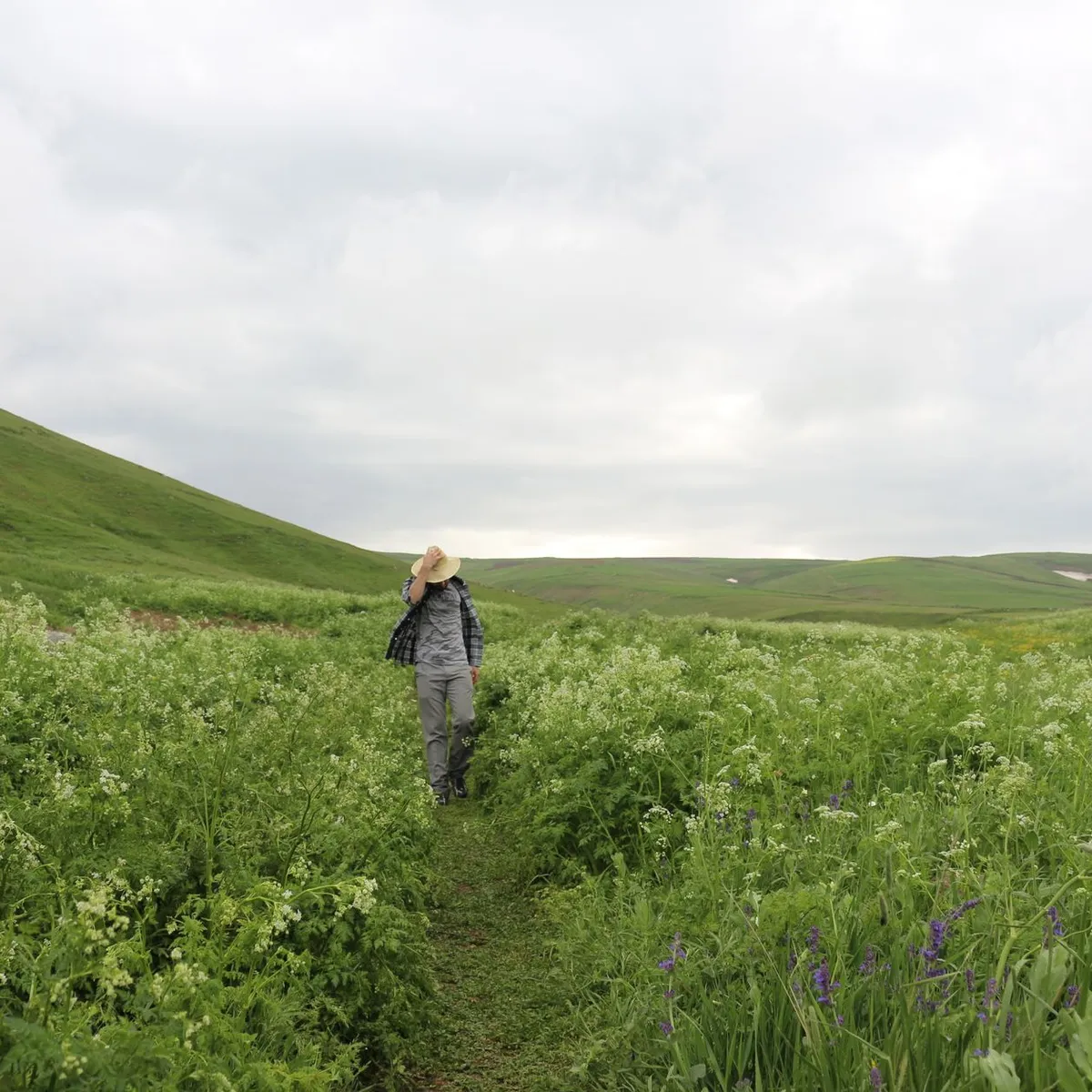
 Photo: Ali Salimi / Pexels
Sanandaj
Sanandaj accessibility for wheelchair users
Compare Sanandaj by accessibility, transport, terrain, healthcare, cost, weather, laws, reviews, and community notes.
Sanandaj accessibility scores
Compare Sanandaj by accessibility, transport, terrain, healthcare, cost, weather, and laws. General stats use public data and models. Community rows reflect member reviews and votes.
General stats
National benchmarks and estimates — your experience in this city may differ.
Community
Starts from our estimate — thumbs up nudge toward Excellent, down toward Poor. Reviews use 1–5 stars.
These figures combine public statistics, models, and live weather where available. Every city is different — treat this as a guide, and share what you know in the Reviews & Corrections tab.
Profile last updated 7/1/2026.
Sanandaj wheelchair accessibility guide
Research Sanandaj for wheelchair users and caregivers: getting around, terrain, healthcare, costs, climate, accessible things to do, and practical caveats before booking.
Last updated 7/1/2026At a glance
Sanandaj is the capital of Iran’s Kurdistan Province, known for Kurdish culture, hillside views, museums, and historic architecture. It is also a difficult wheelchair city: the DB terrain profile labels it very hilly, with average elevation around 1,733 m and a high sampled grade. Accessibility scores are low, and the pavement profile is low-confidence. Visit only with strong local support, private transport, and carefully chosen lodging.
Getting around
Private drivers are the practical default. Public transport should not be assumed accessible, and older central streets can combine traffic, slopes, narrow sidewalks, and abrupt thresholds. Build the day around point-to-point drop-offs rather than rolling between sights. Ask drivers to wait at sites until you have confirmed the entrance is usable; otherwise you may be left facing steps or a steep return route.
Terrain & mobility
Terrain is the core challenge. OpenTopoData samples show very hilly conditions, with only about one-fifth of samples flat and an elevation range of more than 700 m. Even where roads are paved, grades can make independent manual-chair travel exhausting or unsafe. Power-chair users should consider battery range on slopes and the lack of easy repair support. Choose hotels on flatter streets and avoid hillside guesthouses unless access is documented.
Healthcare & care
OpenStreetMap lists several central clinics within about 0.4–0.8 km, including Qods Clinic, Farhangian Clinic, Kurdistan MRI Center, a Social Security clinic, and Shahid Ghazi clinic. Treat these as healthcare leads rather than verified accessible facilities. For serious conditions, identify a hospital pathway in advance and ask a local contact to confirm entrance, parking, and emergency procedures.
Costs & housing
The RollVenture profile estimates costs from ~$1,945/mo, with housing around $1,025. Spend the housing budget on access certainty: lift, no-step entrance, bathroom space, reliable heating/cooling, and a street where a car can stop level with the door. A cheaper unit up a slope or staircase is a false economy.
Climate & comfort
Sanandaj’s elevation means colder winters and more seasonal comfort variation than lowland Iranian cities. Snow, ice, or cold rain can make slopes much more hazardous. Spring and autumn are more comfortable, but even then daily routing should account for grade and rest breaks.
Accessible things to do
Abidar viewpoint / mountain area— A signature Sanandaj view, best treated as a drive-up scenic stop; confirm parking surface and avoid unassisted rolling on slopes.
Sanandaj Museum— A recognized cultural stop; ask directly about entrance steps, interior circulation, and restroom access.
Khosro Abad Mansion— A major historic mansion; verify thresholds, courtyards, and any stair-only sections before visiting.
Qeshlaq Bridge— A known landmark; consider it as a vehicle-assisted photo stop rather than assuming smooth pedestrian access.
Community & language
Kurdish and Persian are central to daily life. English may be limited, so a local contact or guide is very helpful. Sanandaj can be culturally rewarding, but disabled visitors should be direct about access needs and ask for photos rather than general assurances.
Would we recommend it?
Only with caveats. Sanandaj has strong cultural appeal, but the hills, low verified wheelchair infrastructure, and uncertain building access make it a challenging destination. It is better for supported short visits than for independent wheelchair-user relocation.
These figures combine public statistics, models, and live weather where available. Every city is different — treat this as a guide, and share what you know in the Reviews & Corrections tab.
Profile last updated 7/1/2026.
Reviews & corrections
Share your experience or suggest a data correction. Both appear publicly; admin updates official city scores and costs separately.
Log in to write a review or suggest a correction.
No reviews or corrections yet.