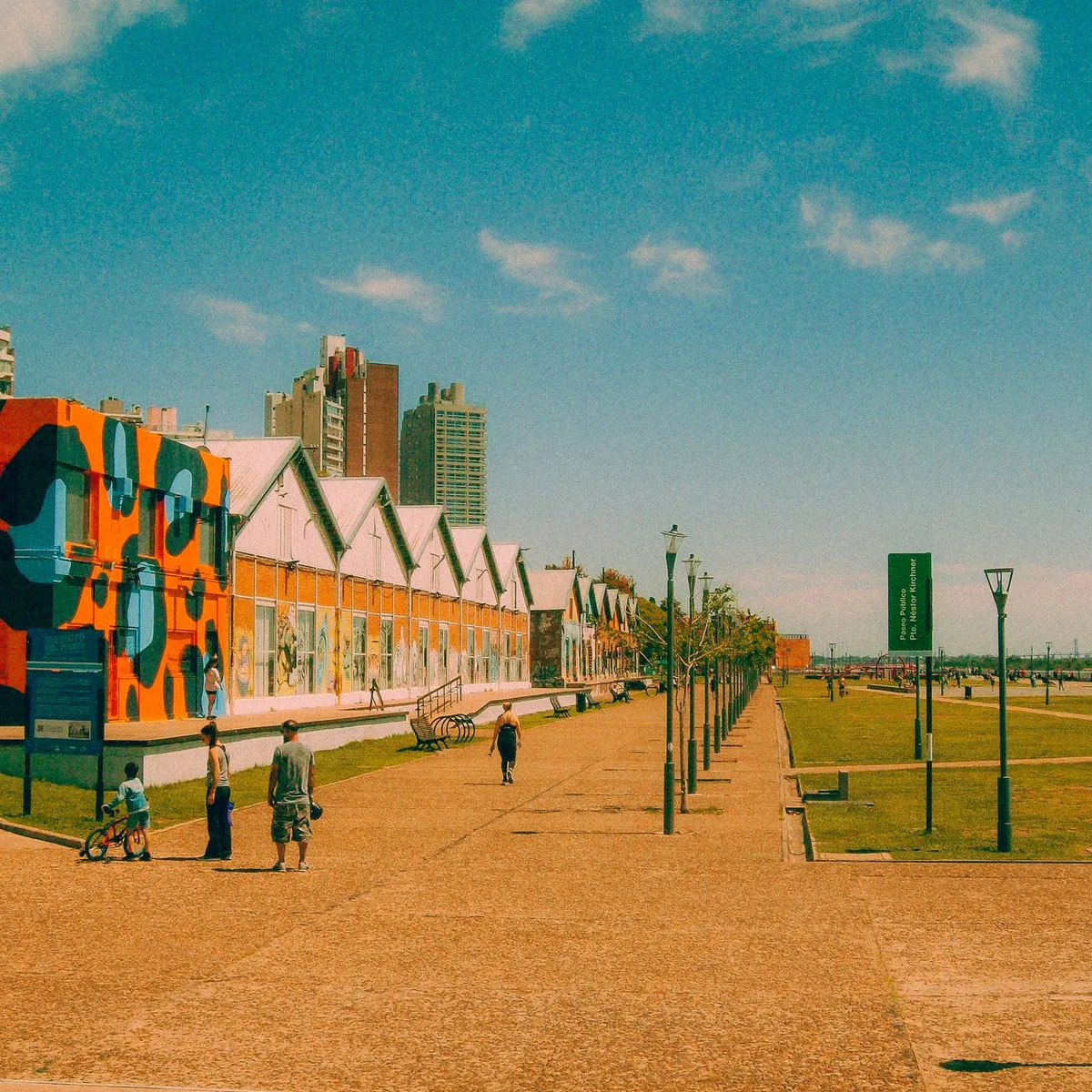
 Photo: Franco Garcia / Pexels
Santa Rosa
Santa Rosa accessibility for wheelchair users
Compare Santa Rosa by accessibility, transport, terrain, healthcare, cost, weather, laws, reviews, and community notes.
Santa Rosa accessibility scores
Compare Santa Rosa by accessibility, transport, terrain, healthcare, cost, weather, and laws. General stats use public data and models. Community rows reflect member reviews and votes.
General stats
National benchmarks and estimates — your experience in this city may differ.
Community
Starts from our estimate — thumbs up nudge toward Excellent, down toward Poor. Reviews use 1–5 stars.
These figures combine public statistics, models, and live weather where available. Every city is different — treat this as a guide, and share what you know in the Reviews & Corrections tab.
Profile last updated 6/30/2026.
Santa Rosa wheelchair accessibility guide
Research Santa Rosa for wheelchair users and caregivers: getting around, terrain, healthcare, costs, climate, accessible things to do, and practical caveats before booking.
Last updated 6/30/2026At a glance
Santa Rosa, capital of La Pampa, is a practical mid-size Argentine base rather than a polished accessibility showcase. The database profile scores it well for cost, with monthly living from ~$1,659/mo and housing from ~$483/mo, but only moderate for accessibility. It suits wheelchair users who can plan around private taxis, short central errands, and verified accommodation more than users who need a seamless public-transport network. The city is mostly low-rise and less crowded than Buenos Aires, which helps with pacing, but the pavement profile is mixed: asphalt and paving-stone sections exist, while dirt or rough edges are common enough that route scouting matters.
Getting around
Expect a bus-and-taxi city. Local buses are useful for residents who can manage steps, crowds, or assistance, but do not assume low-floor boarding or reliable stop accessibility without checking locally. For a visit, arrange radio taxis/remises and ask specifically about trunk space for folding chairs, step-free pickup points, and whether drivers will wait during medical or museum stops. If you use a power chair, confirm van access before committing to a longer stay. Intercity bus trips across La Pampa should be booked directly with the operator and station because lift availability can vary by coach.
Terrain & mobility
RollVenture's terrain sample labels Santa Rosa gently rolling, with all samples essentially flat and an average elevation around 175 m. That is good news for fatigue compared with hillier Argentine cities. The caveat is surface quality: the local OSM pavement profile shows a split between asphalt and dirt/rough surfaces, so the best wheelchair routes are likely central, paved corridors rather than every side street. Heat, dust, broken curb cuts, and shade gaps can make short distances feel longer. Choose accommodation close to the plaza, medical appointments, or the bus terminal rather than relying on cross-town rolling.
Healthcare & care
The DB profile lists several central clinics and medical offices, including Consultorios Garibaldi, Torre Médica, Cruz Roja, María Mater Diagnóstico por Imágenes, and Centro Médico Ambulatorio NODUS as nearby OSM leads; treat these as starting points, not accessibility guarantees. Ask about entrance width, step-free imaging rooms, accessible toilets, and whether a companion can stay during procedures. For ongoing care, confirm home nursing and personal-assistance arrangements before arrival, especially because provincial-city availability can be narrower than in Buenos Aires.
Costs & housing
Santa Rosa is one of the cheaper cities in this selected batch: modelled monthly living is from ~$1,659/mo, with housing from ~$483/mo. Accessible housing is the harder part. Many listings will be ordinary apartments or houses with small bathroom doors, steps at entries, gravel driveways, or no roll-in shower. Before paying a deposit, request recent doorway, bathroom, entry, and pavement photos; ask whether backup water, heating, and air conditioning are reliable.
Climate & comfort
La Pampa has hot summers, cold winter spells, wind, and dry days that can kick up dust. Wheelchair users should plan shade breaks in summer and check heating in winter rentals. Spring and autumn are more comfortable for outdoor errands and park visits.
Accessible things to do
Plaza San Martín and civic centre— a central, low-distance orientation point; verify curb cuts around crossings and use it as a taxi-friendly meeting point.
Municipalidad de Santa Rosa cultural listings— the official city site is the best starting point for current concerts, exhibitions, and public events; call venues for step-free entry before going.
Museo Provincial de Artes / local museum circuit— useful on low-energy days if the current exhibition space confirms ramp or level entry and toilet access.
Parque Don Tomás / Laguna Don Tomás area— a broad outdoor option for fresh air, but path surface and shade vary, so scout the easiest paved sections rather than assuming the full loop is wheelchair-friendly.
Community & language
Spanish is essential for booking care, taxis, and repairs; English is limited outside tourism contexts. Local life is quieter and more provincial than Argentina's biggest cities, which can make repeat relationships with drivers and clinics easier.
Would we recommend it?
Yes, cautiously, for cost-sensitive wheelchair users who want a calmer Argentine base and can verify housing, taxis, and clinics in advance. It is not a plug-and-play accessibility destination, but its flatter terrain and lower costs make it workable with planning.
These figures combine public statistics, models, and live weather where available. Every city is different — treat this as a guide, and share what you know in the Reviews & Corrections tab.
Profile last updated 6/30/2026.