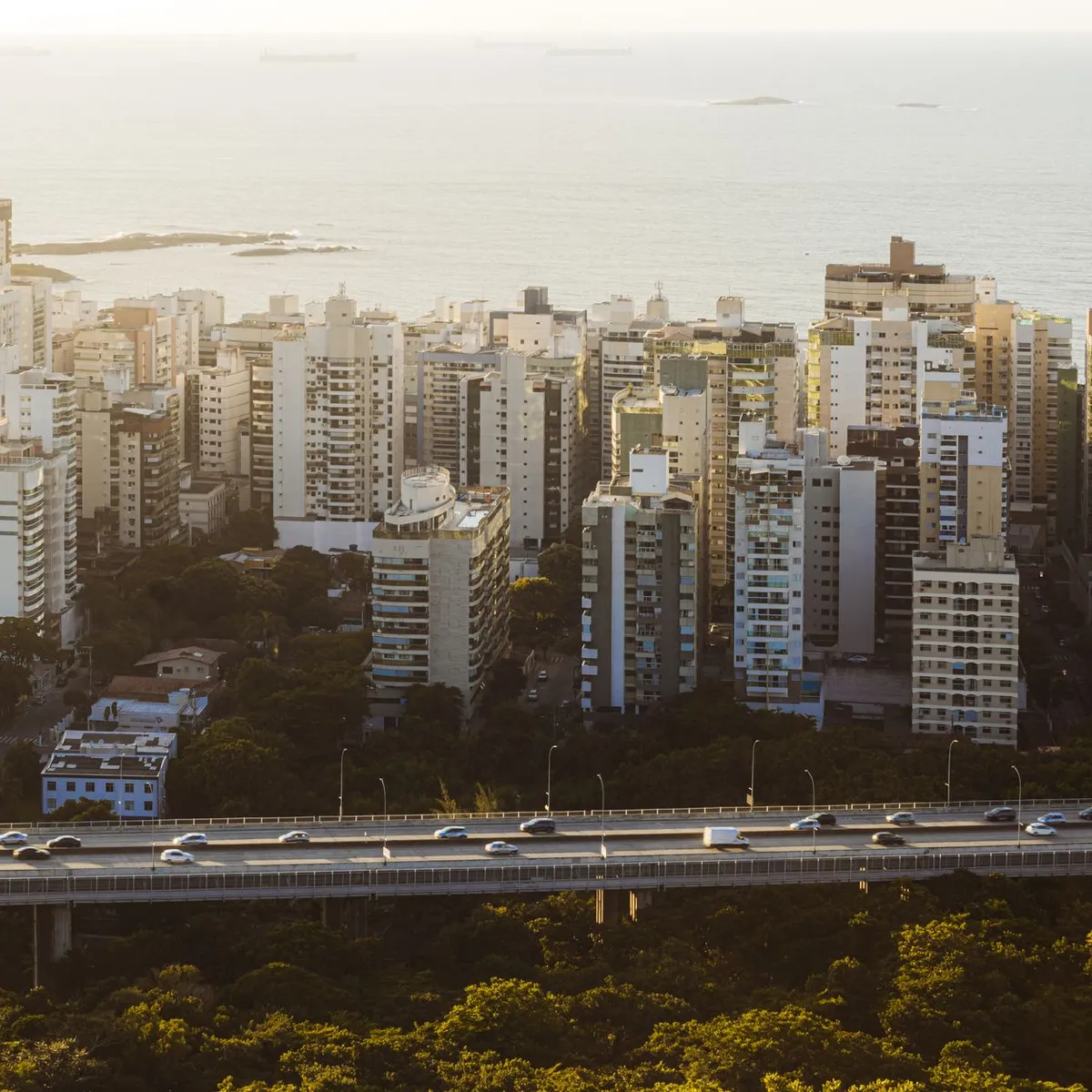
 Photo: Kevyn Costa / Pexels
Santo Domingo
Santo Domingo accessibility for wheelchair users
Compare Santo Domingo by accessibility, transport, terrain, healthcare, cost, weather, laws, reviews, and community notes.
Santo Domingo accessibility scores
Compare Santo Domingo by accessibility, transport, terrain, healthcare, cost, weather, and laws. General stats use public data and models. Community rows reflect member reviews and votes.
General stats
National benchmarks and estimates — your experience in this city may differ.
Community
Starts from our estimate — thumbs up nudge toward Excellent, down toward Poor. Reviews use 1–5 stars.
These figures combine public statistics, models, and live weather where available. Every city is different — treat this as a guide, and share what you know in the Reviews & Corrections tab.
Profile last updated 6/30/2026.
Santo Domingo wheelchair accessibility guide
Research Santo Domingo for wheelchair users and caregivers: getting around, terrain, healthcare, costs, climate, accessible things to do, and practical caveats before booking.
Last updated 6/30/2026At a glance
Santo Domingo offers major-city services, Caribbean warmth, and a historic core, but wheelchair comfort depends heavily on where you stay and how much assistance you arrange. RollVenture scores the city mid-low for accessibility, with from ~$2,655/mo estimated living cost, mostly flat terrain, and relatively strong pavement sampling. The best visits focus on a few verified sites, private transfers, and hotels with recent access photos rather than trying to improvise through the whole Colonial Zone.
Getting around
Use pre-arranged taxis, hotel cars, or rideshare for most trips. Public transport exists, including metro service, but a wheelchair user should confirm station elevator operation, platform access, and last-mile curb conditions before depending on it. The Colonial Zone is compact on a map, yet old paving, curb lips, narrow sidewalks, and traffic make short distances slower than expected.
Terrain & mobility
The DB terrain profile is mostly flat, which is helpful, but accessibility is limited by surface quality and historic street fabric rather than hills. Pavement data is high-confidence with many asphalt and paving-stone surfaces; that still means vibration, drainage gaps, and curb cuts that may disappear at intersections. Heat and humidity add fatigue, so schedule rest breaks and avoid midday rolling where shade is limited.
Healthcare & care
OSM healthcare leads near the centre include several hospitals and clinics, but these are not accessibility audits. Confirm emergency access, step-free entrances, and whether the facility can handle your equipment or medication needs. For longer stays, identify a private clinic, pharmacy, wheelchair repair lead, and accessible transport option before arrival. Home-aid and personal-care arrangements should be made through trusted local contacts or hotel referrals, not last minute.
Costs & housing
The row estimates from ~$2,655/mo, with housing around $960. Accessible lodging should be verified by video: elevator, bathroom door width, roll-in shower or wet-room setup, generator/backup power, and step-free entry from street to room. Colonial properties can be charming but often have thresholds or stairs; newer hotels outside the oldest blocks may be easier.
Climate & comfort
Climate data shows warm conditions all year, with wetter months from roughly May through November and especially late summer into autumn. Rain can flood curb ramps and make old stone slippery. Hurricanes and tropical storms are a seasonal planning factor, so keep medical buffers, backup power, and flexible transport plans.
Accessible things to do
Colonial Zone / Calle Las Damas— The core historic area is the main draw; choose a short route, scout curb cuts, and expect stone surfaces.
Catedral Primada de América— A major landmark in the old city; verify entrance route and interior step-free areas before committing.
Alcázar de Colón— Worth considering for history, but access can vary by room and level; call ahead for current ramps/elevators.
Malecón waterfront— Better for a vehicle-supported scenic outing than a long independent roll; check pavement and traffic crossings.
Los Tres Ojos— A famous natural site, but cave/steps make it likely unsuitable for many wheelchair users; include only if companions confirm the accessible viewing possibilities.
Community & language
Spanish is the working language. Hotels may help in English, but clinics, taxi dispatchers, and landlords often need Spanish access details. The city is friendly and service-oriented, yet disability access is inconsistent, so be specific: “sin escalones,” elevator working, bathroom measurements, and curbside pickup.
Would we recommend it?
Yes for experienced travelers who can pay for transfers, choose modern lodging, and keep the old-city itinerary selective. It is less suitable for a first independent wheelchair trip or for travelers who need reliable public transport and predictable sidewalks every day.
These figures combine public statistics, models, and live weather where available. Every city is different — treat this as a guide, and share what you know in the Reviews & Corrections tab.
Profile last updated 6/30/2026.