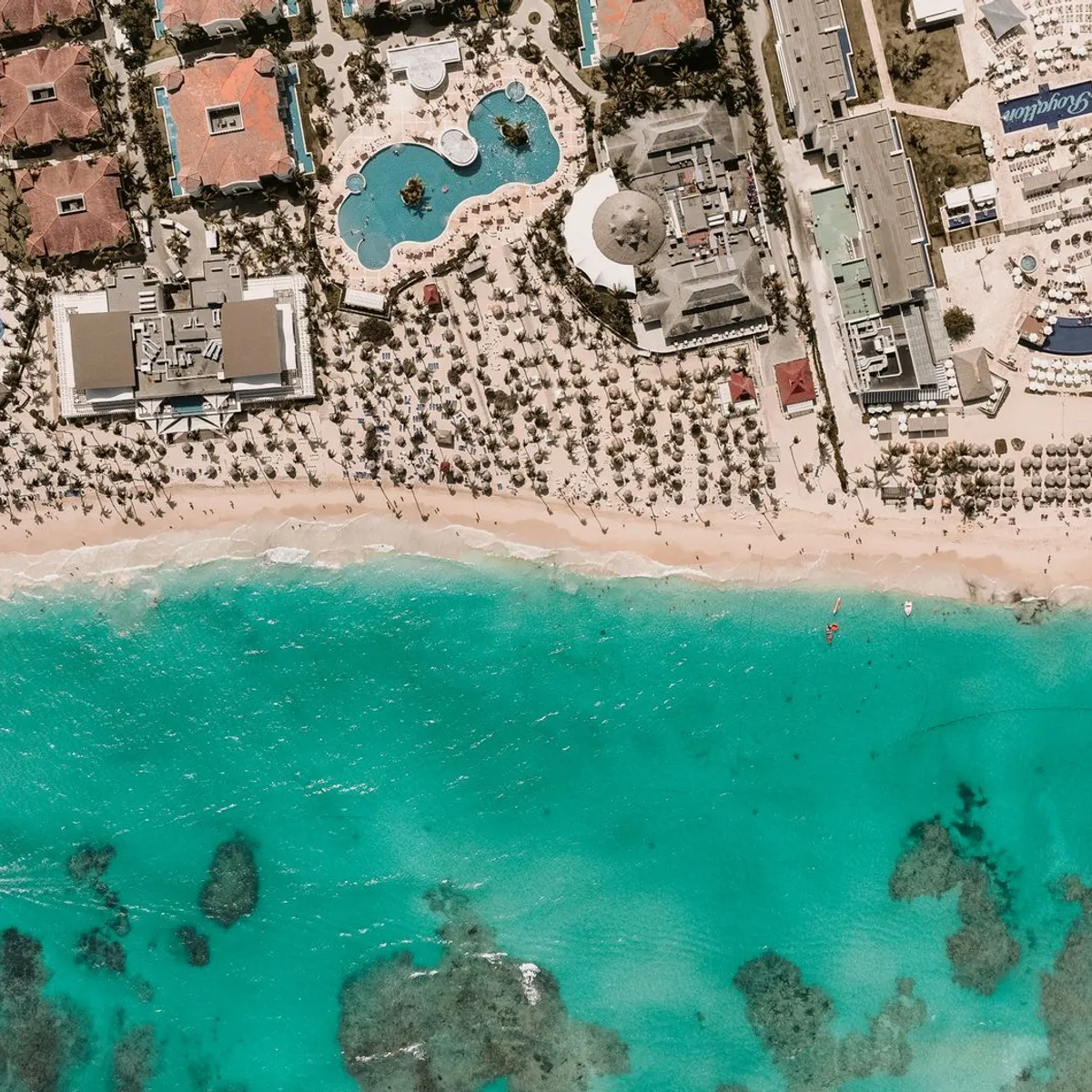
 Photo: Antonio Florentini / Pexels
La Romana
La Romana accessibility for wheelchair users
Compare La Romana by accessibility, transport, terrain, healthcare, cost, weather, laws, reviews, and community notes.
La Romana accessibility scores
Compare La Romana by accessibility, transport, terrain, healthcare, cost, weather, and laws. General stats use public data and models. Community rows reflect member reviews and votes.
General stats
National benchmarks and estimates — your experience in this city may differ.
Community
Starts from our estimate — thumbs up nudge toward Excellent, down toward Poor. Reviews use 1–5 stars.
These figures combine public statistics, models, and live weather where available. Every city is different — treat this as a guide, and share what you know in the Reviews & Corrections tab.
Profile last updated 7/2/2026.
La Romana wheelchair accessibility guide
Research La Romana for wheelchair users and caregivers: getting around, terrain, healthcare, costs, climate, accessible things to do, and practical caveats before booking.
Last updated 7/2/2026At a glance
La Romana is a live-empty RollVenture city row in Dominican Republic with population about 208,437. The current profile is mixed: overall score 54, accessibility score 39, terrain score 66, and pavement score 58. Plan from ~$2,181/mo, including housing from ~$571/mo, but accessible rentals may cost more because elevators, bathroom dimensions, backup power, and street-level access need direct verification.
Getting around
Resort and airport logistics are easier than ordinary sidewalks; private transfers are the safest baseline. Do not assume buses, shared taxis, or informal transfers will handle a wheelchair safely. Before arrival, line up a driver, ask whether the chair must fold, and confirm pickup points with photos or map pins. Keep the first week simple: airport or intercity arrival, grocery access, clinic route, and one low-risk outing.
Terrain & mobility
The mobility picture is shaped by low coastal terrain with gentle sampled grades. The database numbers are useful for triage, not a promise of step-free travel. Expect curb lips, missing ramps, parked vehicles, broken paving, and surfaces that change quickly after rain or construction. Manual-chair users should plan companion help for longer routes; power-chair users should check charging, tire repair, and battery range before committing to daily distances.
Healthcare & care
OpenStreetMap healthcare leads include Clinica Dr. del Rosario, Grupo Médico Dr. Soto, Clínica Canela II, Hospital Francisco A. Gonzalvo, and Centro Médico Oriental. Treat these as leads, not guarantees of accessible entrances, current services, language support, or specialist capacity. Call ahead where possible, save emergency routes offline, and bring medications, prescriptions, and spare mobility supplies. If you need recurring therapy or personal care, verify availability before booking housing.
Costs & housing
The headline budget can be workable, but accessibility narrows the market. Ask for video of the building entrance, lift, corridor width, bathroom, shower, toilet transfer space, and the pavement immediately outside. A cheaper apartment can become expensive if it requires daily lifting, long taxi rides, or unreliable utilities.
Climate & comfort
Expect humid Caribbean heat, heavy rain, and hurricane-season disruption. Comfort depends on shade, hydration, indoor cooling or heating, and the ability to wait somewhere seated while transport arrives. Weather can turn a marginal curb ramp or unpaved shoulder into a real barrier, so leave buffer time.
Accessible things to do
Altos de Chavón— scenic recreated village; verify step-free routes because cobbles and level changes are likely.
Cueva de las Maravillas National Park— major cave attraction; confirm current elevator/ramp status before booking.
Catalina Island excursions— beautiful but boat boarding and sand are barriers; only use operators who can describe assistance clearly.
Bayahibe waterfront— lower-effort coastal outing with door-to-door transport and a checked drop-off.
Community & language
Spanish; english is more likely in resort settings than in clinics or rentals. A trusted local contact can solve problems that apps cannot: calling drivers, checking ramps, interpreting at clinics, arranging repairs, and confirming whether a place is actually open and reachable today.
Would we recommend it?
Yes only with planning. La Romana is not a plug-and-play wheelchair destination, but it can work for travelers who accept conservative routing, pre-arranged transport, verified housing, and realistic expectations about incomplete public accessibility. If you need independent step-free movement every day, choose a stronger-access city first.
These figures combine public statistics, models, and live weather where available. Every city is different — treat this as a guide, and share what you know in the Reviews & Corrections tab.
Profile last updated 7/2/2026.