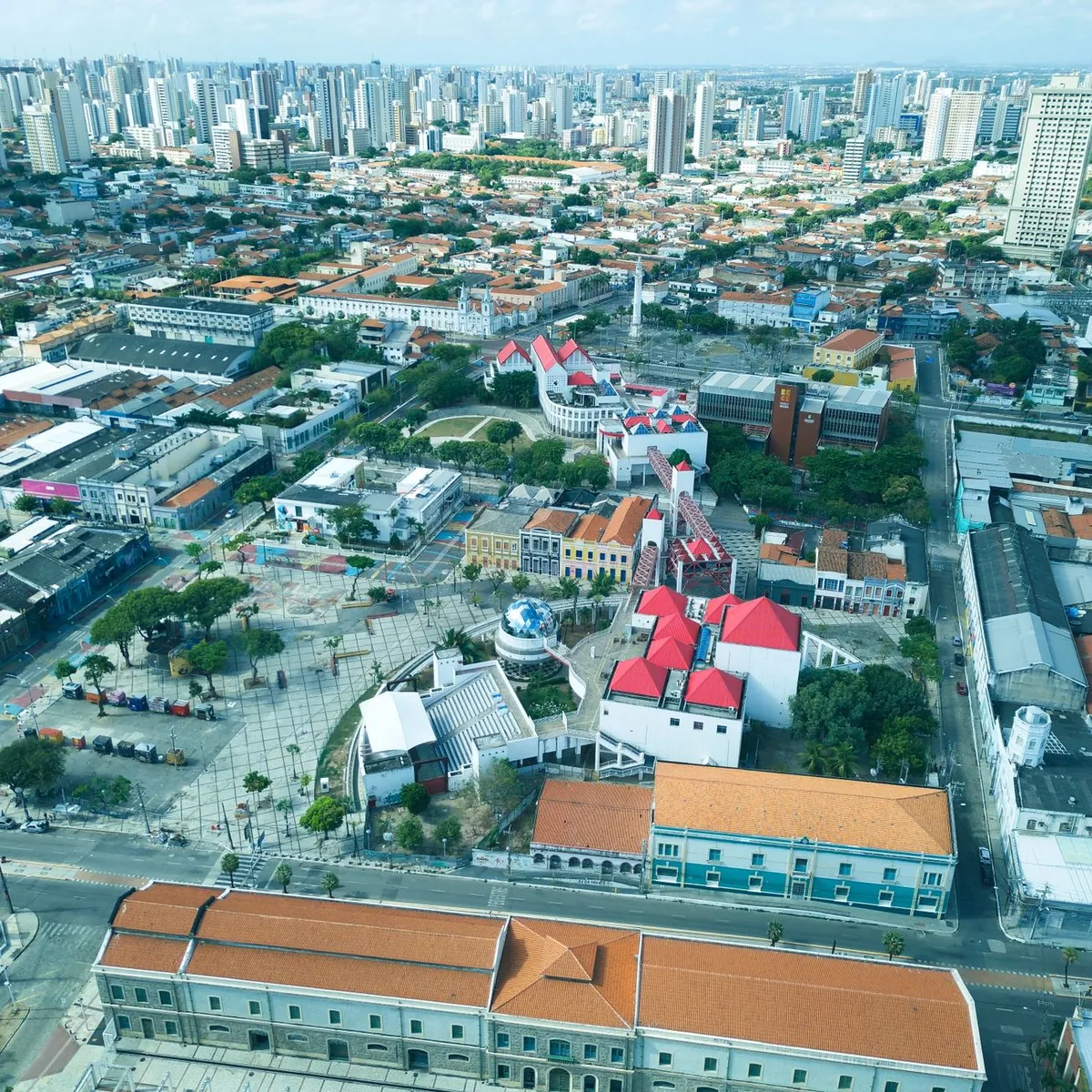
 Photo: Nino Souza / Pexels
São João de Meriti
São João de Meriti accessibility for wheelchair users
Compare São João de Meriti by accessibility, transport, terrain, healthcare, cost, weather, laws, reviews, and community notes.
São João de Meriti accessibility scores
Compare São João de Meriti by accessibility, transport, terrain, healthcare, cost, weather, and laws. General stats use public data and models. Community rows reflect member reviews and votes.
General stats
National benchmarks and estimates — your experience in this city may differ.
Community
Starts from our estimate — thumbs up nudge toward Excellent, down toward Poor. Reviews use 1–5 stars.
These figures combine public statistics, models, and live weather where available. Every city is different — treat this as a guide, and share what you know in the Reviews & Corrections tab.
Profile last updated 6/30/2026.
São João de Meriti wheelchair accessibility guide
Research São João de Meriti for wheelchair users and caregivers: getting around, terrain, healthcare, costs, climate, accessible things to do, and practical caveats before booking.
Last updated 6/30/2026At a glance
São João de Meriti is a dense Baixada Fluminense municipality in Greater Rio rather than a classic leisure base. RollVenture should treat it as a practical, lower-cost suburban option for people who need access to Rio de Janeiro, Duque de Caxias, Nova Iguaçu, or relatives in the Baixada. The DB cost profile is relatively moderate for the metro area, from ~$1,882/mo overall, but the accessibility profile is mixed: infrastructure and wheelchair-transport scores sit in the low-to-mid range, while terrain data flags a very hilly wider sampling area. A wheelchair user should plan around specific addresses, not the city average.
Getting around
The municipality is tied into the Rio metropolitan rail and road network, with rail/bus links toward Rio and neighboring Baixada cities. Use this as a lead, not a guarantee: step-free station access, platform gaps, working elevators, and bus ramp availability need to be confirmed for the exact route and time. For medical visits or transfers after rain, pre-booked accessible taxi or family-driver support is the safer default.
Terrain & mobility
The stored terrain profile is the main caution: it labels the wider area very hilly, with a high sampled maximum grade, even though many central commercial corridors may feel flatter block by block. Pavement data is low-confidence and mostly untagged, with limited confirmed good surface. Expect broken sidewalks, curb-cut gaps, driveway slopes, and informal parking on pedestrian routes. Short audited routes between home, pharmacy, clinic, supermarket, and transit matter more than neighborhood names.
Healthcare & care
OpenStreetMap-derived healthcare leads include Posto de Saúde Doutor Nagib Jorge Farah, Clínica CliniPAE, Policlínica Manoel Guilherme, Hospital 25 de Dezembro, and Hospital Vital within the wider metro catchment. These are leads only; verify entrances, lift access, appointment flow, and whether a companion can assist. For specialist care, Rio and Duque de Caxias may offer more options, but longer transfers can be tiring.
Costs & housing
The DB estimate is from ~$1,882/mo, with housing around $672/mo. That affordability is the strongest argument for São João de Meriti, but accessible housing supply is the risk. Prioritize newer buildings with elevators, backup power plans, level entrance, nearby curb cuts, and reliable drainage. A cheap apartment up a steep side street can erase the cost advantage.
Climate & comfort
The climate is hot, humid, and rainy in summer. Flooding, heat, and rough sidewalks can make short trips harder than they look on a map. Air conditioning, shaded waiting areas, and flexible appointment times are practical accessibility features here.
Accessible things to do
Church of Saint John the Baptist / central area— A recognizable local landmark and central orientation point; verify step-free entry and pavement conditions before visiting.
Baixada shopping and service corridors— Malls and larger retail centers in the wider Baixada/Rio metro area are usually more predictable for ramps, elevators, toilets, and weather protection than street markets.
Rio day trips by planned transfer— Major Rio museums, beaches, and cultural venues are reachable with planning, but do not rely on spontaneous step-free transit.
Neighborhood food and family visits— The city is most useful for everyday community life; choose venues after checking doorway width, toilets, and curb access.
Community & language
Portuguese is essential for arranging care, transport, repairs, and building management. Local support networks matter, especially if the traveler needs help with stairs, hills, or transit disruptions.
Would we recommend it?
Yes only for budget-conscious stays with local support and carefully checked housing. For a first-time wheelchair relocation without family or driver help, another part of Greater Rio with flatter audited routes and stronger accessible transport would be safer.
These figures combine public statistics, models, and live weather where available. Every city is different — treat this as a guide, and share what you know in the Reviews & Corrections tab.
Profile last updated 6/30/2026.
Reviews & corrections
Share your experience or suggest a data correction. Both appear publicly; admin updates official city scores and costs separately.
Log in to write a review or suggest a correction.
No reviews or corrections yet.