 Photo: Henry Acevedo / Pexels
Sariwŏn
Sariwŏn accessibility for wheelchair users
Compare Sariwŏn by accessibility, transport, terrain, healthcare, cost, weather, laws, reviews, and community notes.
Sariwŏn accessibility scores
Compare Sariwŏn by accessibility, transport, terrain, healthcare, cost, weather, and laws. General stats use public data and models. Community rows reflect member reviews and votes.
General stats
National benchmarks and estimates — your experience in this city may differ.
Community
Starts from our estimate — thumbs up nudge toward Excellent, down toward Poor. Reviews use 1–5 stars.
These figures combine public statistics, models, and live weather where available. Every city is different — treat this as a guide, and share what you know in the Reviews & Corrections tab.
Profile last updated 7/2/2026.
Sariwŏn wheelchair accessibility guide
Research Sariwŏn for wheelchair users and caregivers: getting around, terrain, healthcare, costs, climate, accessible things to do, and practical caveats before booking.
Last updated 7/2/2026At a glance
Sariwŏn is a cautious, low-confidence RollVenture option rather than an easy independent base. It is a provincial city south of Pyongyang, and public visitor information is limited. For wheelchair users, the strongest reason to include it is that known sights are relatively clustered and the database terrain sample is mixed rather than mountainous. The main limits are much bigger: foreign travel in North Korea is normally controlled, independent routing is not realistic, accessibility details are rarely published, and most local surface data is untagged.
Getting around
Treat transport as something arranged through an approved operator, not a spontaneous public-transit plan. Public references identify Sariwŏn as a transport hub with rail connections, but they do not verify step-free platforms, lifts, accessible taxis, or wheelchair spaces. A wheelchair user would need written confirmation that transfers, vehicle entry height, and luggage/assistant arrangements are handled before considering the city.
Terrain & mobility
The DB terrain profile is mixed: average elevation is about 92 m, sampled grades reach 7.4%, and only 68% of sampled points were flat. The pavement profile is low-confidence, with almost all nearby road surfaces untagged and some unpaved data. In practice, plan for uneven pavements, missing curb cuts, informal crossings, and fatigue on slopes around older streets or scenic approaches.
Healthcare & care
No healthcare facilities were verified in the local DB profile for this row. That does not mean care is absent, but it means a visitor should not assume wheelchair repair, pressure-care supplies, English-speaking medical intake, or private nursing support can be found on arrival. Bring spares, medication documentation, pressure-relief supplies, and a clear evacuation/consular plan.
Costs & housing
The database estimate is **from ~$3,360/mo**, with housing and care assumptions driving most of the number. For this destination, the estimate is less useful than operator reality: lodging is usually arranged through the trip structure, and accessible rooms should be verified with photos of entrance thresholds, bathroom door width, shower setup, bed height, lift access, and generator/charging reliability.
Climate & comfort
Sariwŏn has cold winters and warm, humid summers typical of western Korea. Winter ice and snow can make curb ramps and slopes hazardous; summer rain can make unpaved or untagged surfaces harder for manual-chair users. Battery charging, heat, and backup plans matter more here than sightseeing density.
Accessible things to do
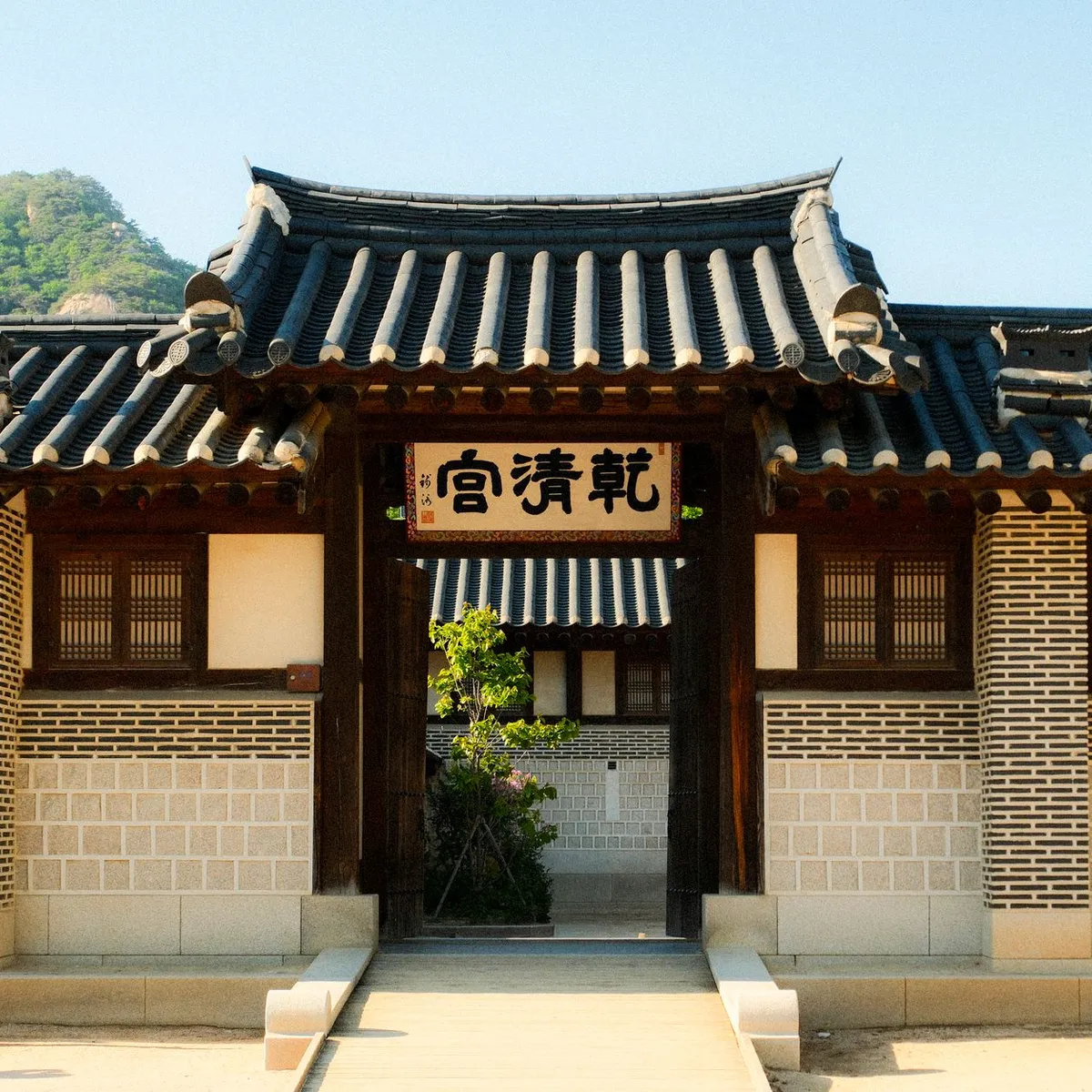
Sariwon Folk Village— Listed in public travel references as a key local sight. Treat it as a guided, verify-first stop; ask about vehicle drop-off, step-free paths, toilets, and whether any displays require stairs.
Songbul Temple / Mount Jongbang area— Public references connect Sariwŏn tourism with Songbul Temple. Because temple and mountain approaches may involve slopes or steps, this is only suitable if an operator confirms a realistic viewing route.
North Hwanghae Province Art Theatre area— Shown in public city references as a landmark area. It may work as a short exterior stop if curb access and vehicle waiting are arranged.
Central city drive-through / street viewing— For many wheelchair users, a controlled vehicle-based look at central streets may be more realistic than independent rolling. Confirm safe stopping points rather than assuming sidewalks are usable.
Community & language
Korean is the working language, and independent community access is very limited for foreign visitors. Do not rely on finding peer disability networks locally. Any trip needs a guide or organiser who understands wheelchair transfers and can advocate in Korean.
Would we recommend it?
Only for highly supported, operator-led travel with written access checks. Sariwŏn should not be marketed as an independently accessible city. It can be documented as a cautious lead with several cultural stops, but the absence of verified step-free details is the defining accessibility issue.
These figures combine public statistics, models, and live weather where available. Every city is different — treat this as a guide, and share what you know in the Reviews & Corrections tab.
Profile last updated 7/2/2026.
Reviews & corrections
Share your experience or suggest a data correction. Both appear publicly; admin updates official city scores and costs separately.
Log in to write a review or suggest a correction.
No reviews or corrections yet.