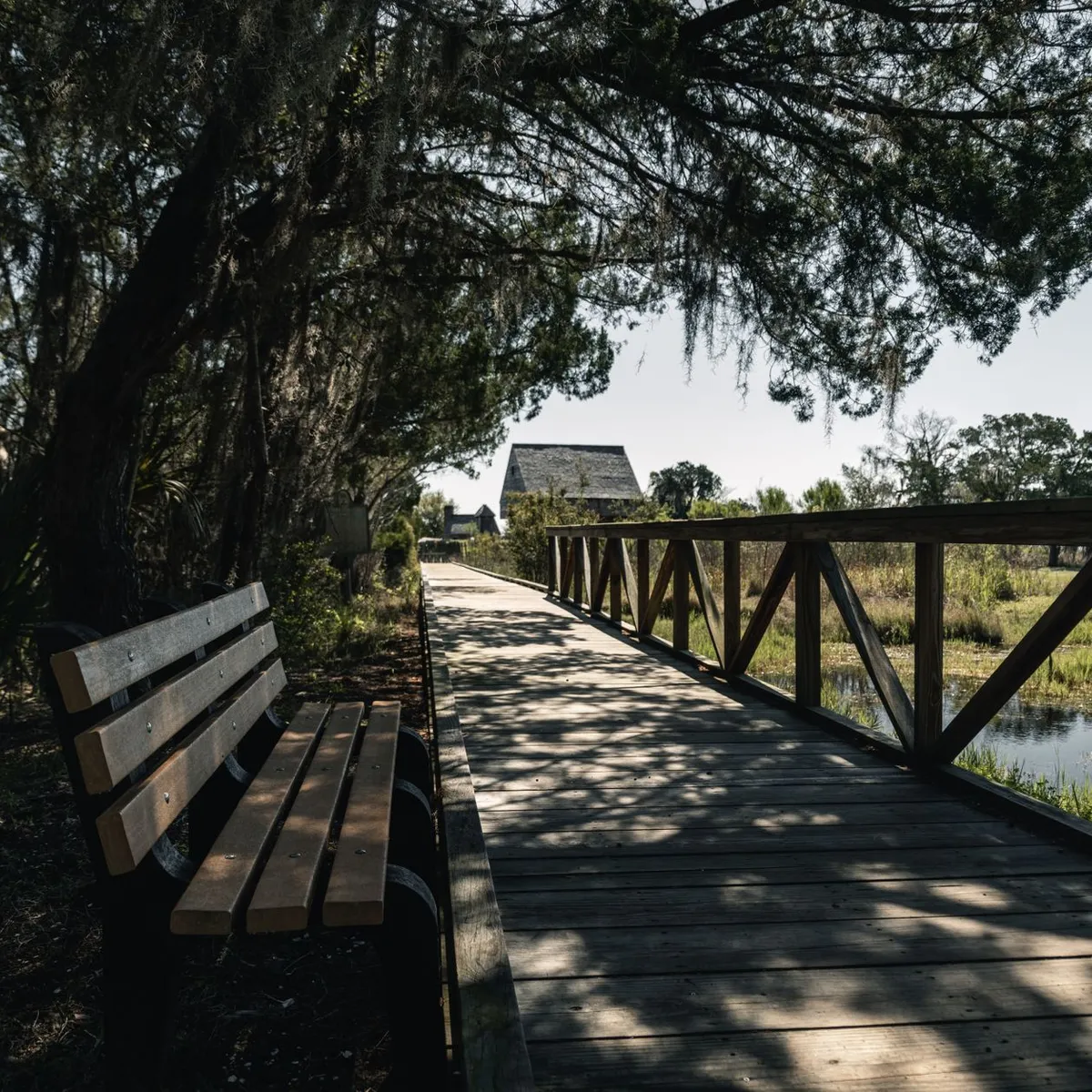
 Photo: Esteban Carriazo / Pexels
Savannah
Savannah accessibility for wheelchair users
Compare Savannah by accessibility, transport, terrain, healthcare, cost, weather, laws, reviews, and community notes.
Savannah accessibility scores
Compare Savannah by accessibility, transport, terrain, healthcare, cost, weather, and laws. General stats use public data and models. Community rows reflect member reviews and votes.
General stats
National benchmarks and estimates — your experience in this city may differ.
Community
Starts from our estimate — thumbs up nudge toward Excellent, down toward Poor. Reviews use 1–5 stars.
These figures combine public statistics, models, and live weather where available. Every city is different — treat this as a guide, and share what you know in the Reviews & Corrections tab.
Profile last updated 6/30/2026.
Savannah wheelchair accessibility guide
Research Savannah for wheelchair users and caregivers: getting around, terrain, healthcare, costs, climate, accessible things to do, and practical caveats before booking.
Last updated 6/30/2026At a glance
Savannah has one of the best terrain profiles in this batch and one of the trickiest surface stories. The DB row rates accessibility at 89/100 and terrain at 81/100, with a mostly flat model and a sampled maximum grade around 1.3%. That is great for fatigue. The catch is the historic district: brick, cobblestone, tree roots, curb cuts, and square-by-square detours can make a technically flat route bumpy. Budget from ~$3,850/mo, with housing from ~$1,606/mo.
Getting around
Chatham Area Transit’s official site has a CAT Mobility paratransit service page, so wheelchair users can verify eligibility, booking rules, and coverage before arrival. Fixed-route buses and paratransit should be checked against your actual home, clinic, grocery, and waterfront trips. The DB transport estimate is about $331/mo. For visitors, rideshare-accessible vehicle availability should not be assumed.
Terrain & mobility
Savannah is mostly flat in the DB model, with 100% flat samples and low elevation variation. Pavement is the limiting factor: OSM sampling has medium confidence, only 15% good tagged surfaces, and the historic core includes uneven materials. Power-chair users may handle longer routes better; manual-chair users should plan shade, rest breaks, and alternate streets around broken paving or crowded squares.
Healthcare & care
OSM healthcare leads include Chatham County Health Department, J.C. Lewis Primary Health Care Center, and Memorial Health University Medical Center, listed as an emergency hospital lead about 6 km from the centre. Confirm insurance, specialists, transfer assistance, and home-care staffing before a move. DB planning costs list medical care around $219/mo, PT around $153/mo, and home aid around $908/mo.
Costs & housing
Savannah’s charm can hide accessibility problems. The model estimates total monthly living from ~$3,850/mo and housing from ~$1,606/mo. In the historic district, stairs, raised entries, narrow bathrooms, and old sidewalks are common risks. Newer apartments outside the oldest blocks may be easier, but then transit and paratransit timing become more important.
Climate & comfort
Heat, humidity, heavy rain, and hurricane-season planning matter. Summer rolling can be exhausting, especially on rough surfaces. Ask about backup power, air-conditioning reliability, flood-prone approaches, and evacuation support if you rely on powered mobility or refrigerated medication.
Accessible things to do
CAT Mobility planning— not an attraction, but the official paratransit page is a practical first stop for building a workable visit or relocation plan.
Fort Pulaski National Monument— the National Park Service publishes an accessibility page for the site; verify current ramp, restroom, and trail conditions before going.
Savannah historic squares— many are central and scenic, but route quality varies block by block; choose smoother approaches and avoid rushed crossings.
River Street / waterfront area— worth considering only with careful route planning because slopes, elevators, crowds, and surface transitions can change the experience.
Community & language
English is the operating language, and tourism staff are used to access questions. Long-term life will depend on neighborhood selection and provider network more than the central tourist experience.
Would we recommend it?
Yes for a visitor or relocator who values flat terrain, history, and warm weather, and who can plan around rough historic surfaces. It is not ideal for someone who needs consistently smooth sidewalks or low heat stress.
These figures combine public statistics, models, and live weather where available. Every city is different — treat this as a guide, and share what you know in the Reviews & Corrections tab.
Profile last updated 6/30/2026.
Reviews & corrections
Share your experience or suggest a data correction. Both appear publicly; admin updates official city scores and costs separately.
Log in to write a review or suggest a correction.
No reviews or corrections yet.