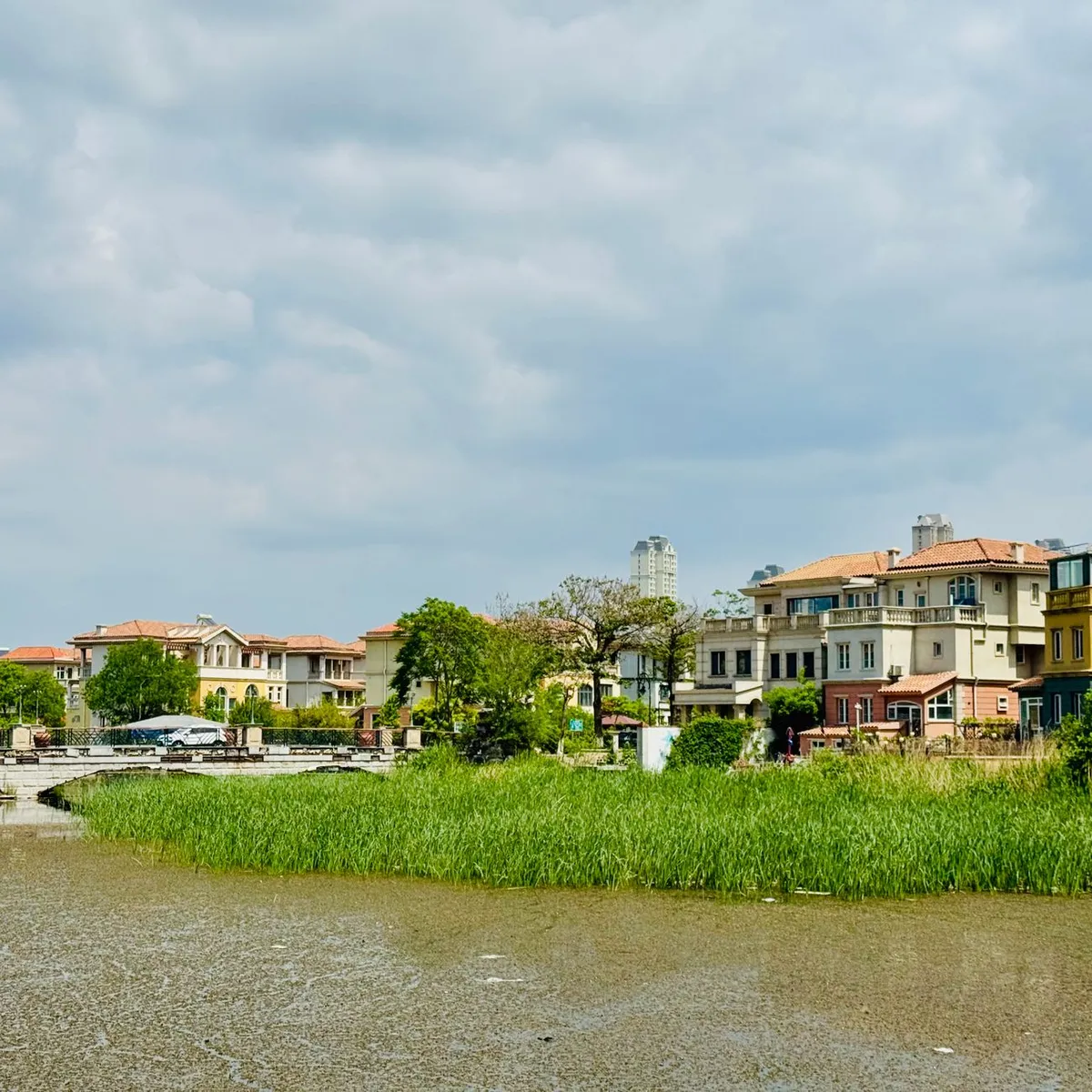
 Photo: Shuaizhi Tian / Pexels
Shihezi
Shihezi accessibility for wheelchair users
Compare Shihezi by accessibility, transport, terrain, healthcare, cost, weather, laws, reviews, and community notes.
Shihezi accessibility scores
Compare Shihezi by accessibility, transport, terrain, healthcare, cost, weather, and laws. General stats use public data and models. Community rows reflect member reviews and votes.
General stats
National benchmarks and estimates — your experience in this city may differ.
Community
Starts from our estimate — thumbs up nudge toward Excellent, down toward Poor. Reviews use 1–5 stars.
These figures combine public statistics, models, and live weather where available. Every city is different — treat this as a guide, and share what you know in the Reviews & Corrections tab.
Profile last updated 6/30/2026.
Shihezi wheelchair accessibility guide
Research Shihezi for wheelchair users and caregivers: getting around, terrain, healthcare, costs, climate, accessible things to do, and practical caveats before booking.
Last updated 6/30/2026At a glance
Shihezi is a lower-tourism Xinjiang city with a quieter grid than many regional hubs, but verified wheelchair-accessibility information is sparse. The city row scores 61 overall, with strong safety and infrastructure indicators but weak ramp availability. Database costs are comparatively moderate, from ~$2,176/mo, with housing from ~$750/mo. It can work as a practical base if you have Mandarin support and confirm lodging carefully.
Getting around
Wikivoyage describes frequent transport from Urumqi by train and bus, with local buses and low-cost taxis in town. For wheelchair users, that does not prove step-free boarding. Treat trains as possible but requiring station assistance, and treat city buses as uncertain unless someone has checked the exact route. Taxis or hired cars are the safer default; ask the driver to wait during short visits because return vehicles may not be accessible.
Terrain & mobility
OpenTopoData sampling labels Shihezi hilly, but most central samples are relatively manageable. The OSM pavement profile is low-confidence and mostly untagged, though it includes paved and asphalt surfaces. In practice, expect broad roads in newer districts but inconsistent curb cuts, winter ice and long distances. Power-chair users should be comfortable with detours; manual-chair users may want a companion for curb ramps that are steep or blocked.
Healthcare & care
The city row lists OSM healthcare leads including Shihezi People’s Hospital, the First Affiliated Hospital of Shihezi University, and several other hospitals. These are leads, not access guarantees. Confirm language support, emergency department location, entrance ramps and payment expectations before relying on any facility. Carry translated medication lists and your own repair basics for chair tires or chargers.
Costs & housing
The database estimate is from ~$2,176/mo, with food around $413/mo and local transport around $216/mo. Accessible housing may be harder than the headline cost suggests: many apartments may have small bathrooms, raised shower lips, or steps at building entrances. Prioritize newer elevator buildings, serviced apartments, and hotels willing to send entrance and bathroom videos.
Climate & comfort
Database climate data shows a continental pattern: hottest average month around 28.5°C, coldest average month around -14°C, about 27 snowy days per year and relatively low annual precipitation. Winter is the biggest mobility risk because ice, snow piles and cold batteries can turn a short roll into a hard trip. Summer sun and wind also require hydration and eye protection.
Accessible things to do
People’s Square— Wikivoyage highlights People’s Square at night; squares are often the easiest low-step outing, but verify curb cuts at the approach streets.
Mushroom Lake— listed by Wikivoyage as a local sight; check whether paths are paved and whether taxis can stop close to viewpoints.
Shihezi University area— Wikivoyage suggests visiting the university and medical college; campus roads may be more navigable than older streets, but building access varies.
Tree-lined central boulevards— Wikivoyage describes Shihezi as unusually green for a desert-built city; use this as a gentle roll option rather than assuming formal accessible trails.
Community & language
Mandarin is essential for arranging transport, hotels and healthcare. English may be limited outside university settings. Translation cards for “step-free entrance,” “elevator,” “roll-in shower,” and “can the taxi carry a wheelchair?” will save time.
Would we recommend it?
Yes, cautiously, for travelers who want a quieter Xinjiang base and can arrange Mandarin-speaking help. It is not a proven accessible destination, but costs, hospitals and a newer city layout make it more workable than many sparse-source alternatives.
These figures combine public statistics, models, and live weather where available. Every city is different — treat this as a guide, and share what you know in the Reviews & Corrections tab.
Profile last updated 6/30/2026.
Reviews & corrections
Share your experience or suggest a data correction. Both appear publicly; admin updates official city scores and costs separately.
Log in to write a review or suggest a correction.
No reviews or corrections yet.