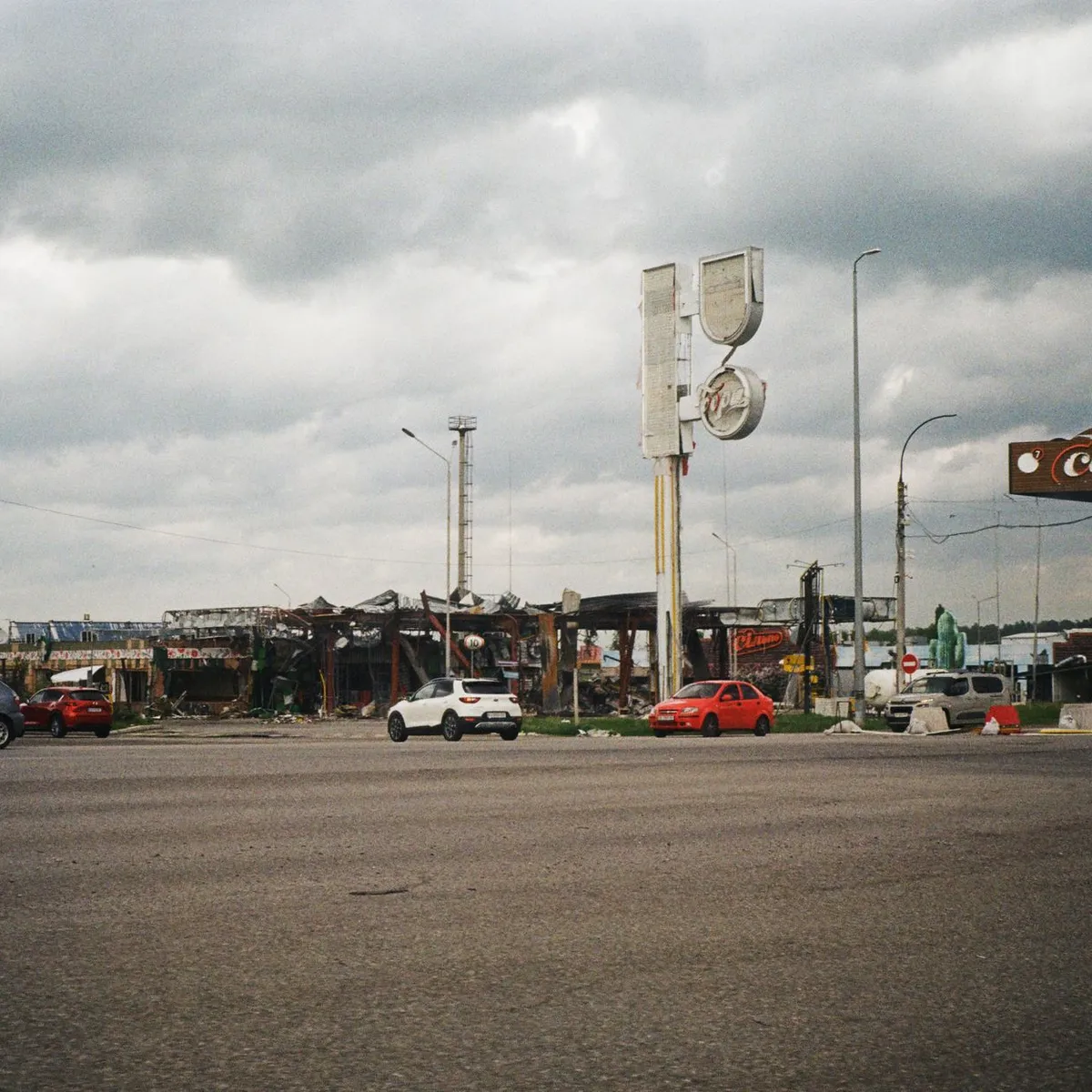
 Photo: Mykhailo Volkov / Pexels
Sloviansk
Sloviansk accessibility for wheelchair users
Compare Sloviansk by accessibility, transport, terrain, healthcare, cost, weather, laws, reviews, and community notes.
Sloviansk accessibility scores
Compare Sloviansk by accessibility, transport, terrain, healthcare, cost, weather, and laws. General stats use public data and models. Community rows reflect member reviews and votes.
General stats
National benchmarks and estimates — your experience in this city may differ.
Community
Starts from our estimate — thumbs up nudge toward Excellent, down toward Poor. Reviews use 1–5 stars.
These figures combine public statistics, models, and live weather where available. Every city is different — treat this as a guide, and share what you know in the Reviews & Corrections tab.
Profile last updated 7/2/2026.
Sloviansk wheelchair accessibility guide
Research Sloviansk for wheelchair users and caregivers: getting around, terrain, healthcare, costs, climate, accessible things to do, and practical caveats before booking.
Last updated 7/2/2026At a glance
Sloviansk is an eastern Ukrainian city in Donetsk Oblast with serious conflict-context constraints. Even though the DB scores show low costs and a partly manageable terrain profile, the current practical question for wheelchair users is not sightseeing first; it is safety, evacuation options, medical continuity, and whether essential infrastructure is operating on the dates of travel. This guide should be read as conservative planning context, not encouragement to visit during active security risk.
The DB lists living costs from ~$2,208/mo and housing from ~$1,156/mo, but normal expat-style budgeting is less useful here than confirmed safe accommodation, reliable heat/power, and trusted local support.
Getting around
Do not rely on spontaneous public transport. Step-free buses, station access, road closures, curfews, checkpoints, and damaged pavements can change quickly. If travel is essential, arrange door-to-door transport through local organizations or trusted contacts, keep evacuation routes current, and have a plan for moving a wheelchair if elevators or ramps are unavailable.
Terrain & mobility
The sampled terrain is not the main blocker: the city sample is fairly flat, with a modest max grade around 2.6%, but the pavement profile is poor, with high-confidence OSM data showing many ground, unpaved, and poor-surface segments. Expect broken sidewalks, curb cuts that disappear, winter ice, and debris. A manual chair user should plan for pushing assistance; a power-chair user should prioritize battery charging and shelter access.
Healthcare & care
OSM lists healthcare leads including a mud-therapy facility, a children's hospital, and other hospital/clinic points. Several names in the OSM profile appear noisy or not clearly general-purpose facilities, so verify every contact locally. Confirm which hospitals are operating, what services are available, whether pharmacies can fill needed medications, and how emergency transport works under current conditions.
Costs & housing
Accessible housing should be verified by video, not description. Ask about entrance steps, lift reliability, bathroom turning space, hot water, heating, backup power, and whether the building has a shelter area reachable by wheelchair. Low listed costs do not offset the cost of private transport, generators, medical supplies, or evacuation.
Climate & comfort
Summers can be hot and winters cold. Winter is especially difficult for wheelchair users because snow, ice, and slush magnify already-poor pavement conditions. Heating reliability and battery charging are essential comfort and safety questions.
Accessible things to do
Soborna Square / central civic area— a potential orientation point only if local safety permits; surface quality and closures must be checked same-day.
Shevchenko Park area— a possible lower-traffic outdoor roll when conditions are calm, but paths may be damaged or uneven.
Sloviansk local history/culture stops— verify whether any museum or cultural building is open, staffed, and step-free before going.
Salt-lake and resort district leads— historically associated with Sloviansk, but paths, transport, and wartime operations require local confirmation.
Community & language
Ukrainian is the official language; Russian may be understood by many locals. For medical or evacuation planning, do not rely on casual translation. Carry written Ukrainian notes covering diagnosis, medications, transfer needs, pressure-care needs, and wheelchair dimensions.
Would we recommend it?
Not for leisure travel under current conflict uncertainty. For essential family, aid, or work reasons, go only with a local support network, verified medical backup, and an evacuation plan. Accessibility challenges are manageable only after safety and infrastructure questions are solved.
These figures combine public statistics, models, and live weather where available. Every city is different — treat this as a guide, and share what you know in the Reviews & Corrections tab.
Profile last updated 7/2/2026.