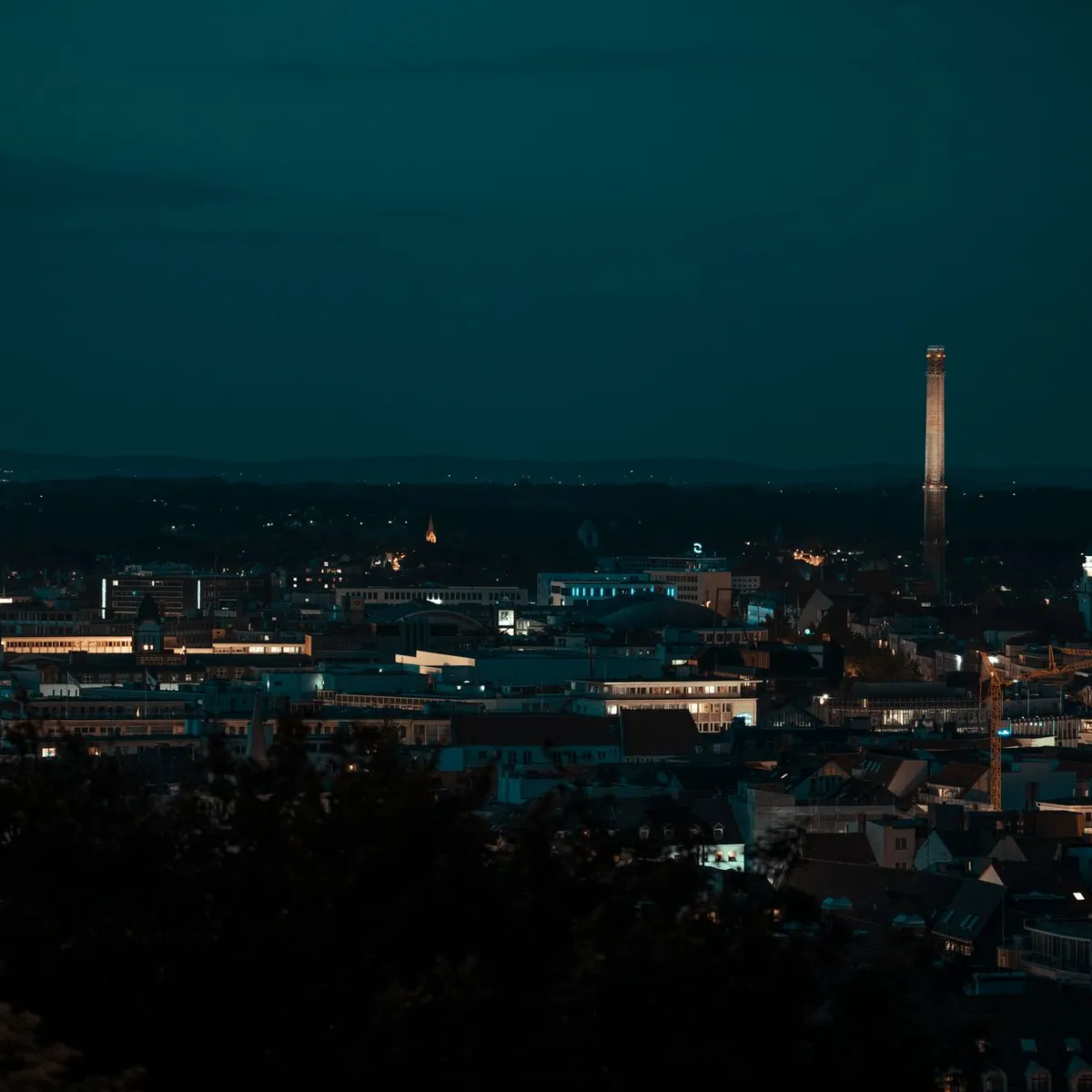
 Photo: Omar Ramadan / Pexels
Stuttgart
Stuttgart accessibility for wheelchair users
Compare Stuttgart by accessibility, transport, terrain, healthcare, cost, weather, laws, reviews, and community notes.
Stuttgart accessibility scores
Compare Stuttgart by accessibility, transport, terrain, healthcare, cost, weather, and laws. General stats use public data and models. Community rows reflect member reviews and votes.
General stats
National benchmarks and estimates — your experience in this city may differ.
Community
Starts from our estimate — thumbs up nudge toward Excellent, down toward Poor. Reviews use 1–5 stars.
These figures combine public statistics, models, and live weather where available. Every city is different — treat this as a guide, and share what you know in the Reviews & Corrections tab.
Profile last updated 6/30/2026.
Stuttgart wheelchair accessibility guide
Research Stuttgart for wheelchair users and caregivers: getting around, terrain, healthcare, costs, climate, accessible things to do, and practical caveats before booking.
Last updated 6/30/2026At a glance
Stuttgart is a strong but not effortless choice for wheelchair users: it has high-quality German infrastructure, good regional transport support, and several major attractions with published accessibility information, but the city sits in a bowl with hilly districts and some older paved streets. The RollVenture cost estimate is from ~$3,649/mo, with housing from ~$1,796/mo. That is expensive, but lower than Munich or Zurich-style budgets while still offering specialist healthcare, museums, parks, and a large expat-friendly economy. Treat it as a city where planning pays off: choose accommodation near an S-Bahn/U-Bahn node, confirm lift routes before trips, and avoid assuming every scenic hillside neighborhood will be easy.
Getting around
Stuttgart’s public transport is the biggest practical advantage. VVS and SSB publish barrier-free travel information, and the DB/rail network generally supports step-free routing, but lift outages can change a route quickly. For daily life, base yourself near Stuttgart Hauptbahnhof, Stadtmitte, Bad Cannstatt, or another station with known lift access rather than relying on steep last-mile paths. Taxis and ride-hailing can help, but wheelchair-accessible vehicles should be booked ahead.
Terrain & mobility
The DB terrain profile marks Stuttgart as hilly, with sampled grades up to about 5% and an elevation range around 266 m. Pavement data is relatively strong, with high-confidence OSM surface coverage and many asphalt/paving-stone routes, but older setts, slopes, construction, and winter leaf/ice conditions can still matter. Manual wheelchair users may want power assist for hillside neighborhoods and longer museum-to-transit transfers.
Healthcare & care
Germany’s healthcare system is reliable, but care setup is paperwork-heavy. OSM leads near the center include Charlottenklinik für Augenheilkunde, Median AGZ Stuttgart, and Kliniken Schmieder Stuttgart; use them as starting points, not guarantees of wheelchair access or appointment availability. If moving for months, arrange insurance, prescriptions, therapy referrals, and home-care agencies before arrival. The DB estimate lists medical costs from ~$144/mo and home aid from ~$770/mo.
Costs & housing
The main risk is accessible housing. Elevators exist in newer and renovated buildings, but older apartments may have entry steps, small lifts, or bathroom layouts that do not work for transfers. Ask for measured door widths, lift dimensions, entry photos, shower details, and a video route from street to bed. Stuttgart’s hills also make “near transit” more important than map distance.
Climate & comfort
Summers are warm but usually manageable; winters are cold, damp, and occasionally icy. Hillside routes can feel much harder in wet weather. Air quality can vary in the basin, so people with respiratory conditions should compare neighborhoods and avoid relying on long curbside waits near traffic corridors.
Accessible things to do
Mercedes-Benz Museum— The museum publishes visitor accessibility information and is one of Stuttgart’s safest anchor attractions for step-free cultural time; still confirm lift/service details before visiting.
Staatsgalerie Stuttgart— A major art museum with accessibility information and central transit access; check exhibition-specific routes if lifts or galleries are temporarily closed.
Wilhelma Zoological-Botanical Garden— A large day out with published visitor information; because it is spread out, plan rest breaks and confirm accessible entrances and route gradients.
Schlossplatz and Königstraße— Central open-space and shopping corridors are useful for low-planning days, though crowds, paving changes, and event barriers can affect comfort.
Community & language
German is the default for healthcare, housing, and bureaucracy, but English is common in tourism, universities, and international employers. Disability rights are strong on paper, yet practical access still depends on the exact building and transport route. Local expat groups can help with doctors and housing leads.
Would we recommend it?
Yes, for wheelchair users who want a major German city and can afford careful housing selection. Stuttgart is not the flattest option, but its transport, museums, healthcare ecosystem, and strong infrastructure make it workable if you plan around hills and lift-dependent routes.
These figures combine public statistics, models, and live weather where available. Every city is different — treat this as a guide, and share what you know in the Reviews & Corrections tab.
Profile last updated 6/30/2026.
Reviews & corrections
Share your experience or suggest a data correction. Both appear publicly; admin updates official city scores and costs separately.
Log in to write a review or suggest a correction.
No reviews or corrections yet.