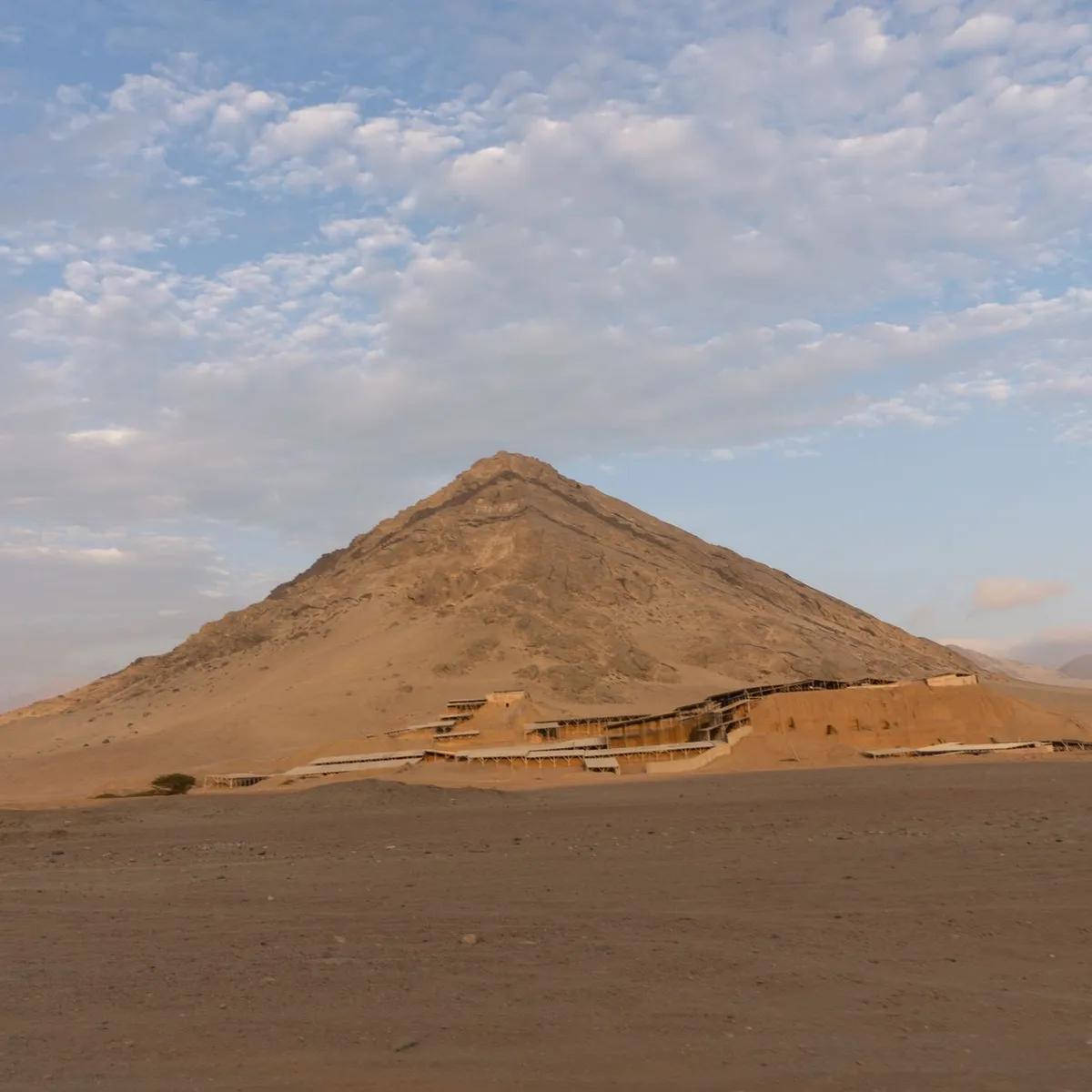
 Photo: Humberto Quispe / Pexels
Talara
Talara accessibility for wheelchair users
Compare Talara by accessibility, transport, terrain, healthcare, cost, weather, laws, reviews, and community notes.
Talara accessibility scores
Compare Talara by accessibility, transport, terrain, healthcare, cost, weather, and laws. General stats use public data and models. Community rows reflect member reviews and votes.
General stats
National benchmarks and estimates — your experience in this city may differ.
Community
Starts from our estimate — thumbs up nudge toward Excellent, down toward Poor. Reviews use 1–5 stars.
These figures combine public statistics, models, and live weather where available. Every city is different — treat this as a guide, and share what you know in the Reviews & Corrections tab.
Profile last updated 7/1/2026.
Talara wheelchair accessibility guide
Research Talara for wheelchair users and caregivers: getting around, terrain, healthcare, costs, climate, accessible things to do, and practical caveats before booking.
Last updated 7/1/2026At a glance
Talara is a dry, coastal port city in Peru’s Piura Region, known for oil, fishing, airport access, and its position near the western edge of mainland South America. For wheelchair users, it is best approached as a practical stop or coastal base with careful logistics, not as a fully accessible resort. The live row scores accessibility at 43/100 and wheelchair transport at 40/100. The terrain is gently rolling and low elevation, but pavement data is low-confidence, so route scouting matters.
Getting around
Talara has an airport and road links, but accessible airport transfers, taxis, and curb-to-door assistance should be confirmed before booking. Plan around a known driver or hotel-arranged vehicle, especially for beach viewpoints and medical visits. Public transport and informal taxis may involve high steps, narrow doors, and no securement. In town, avoid assuming sidewalks are continuous; short hops by vehicle may be safer than rolling long distances in heat.
Terrain & mobility
OpenTopoData marks Talara as gently rolling, with average elevation around 40m and a modest sampled maximum grade. That helps with fatigue, but the pavement profile is low-confidence and mostly untagged, with paving stones, concrete, and asphalt noted. Expect curb gaps, sandy or dusty edges, uneven beach approaches, and limited shade. A power chair, sturdy manual chair setup, or freewheel-style front attachment will make coastal outings easier.
Healthcare & care
The DB healthcare profile lists Hospital II Talara about 1km from the center, plus several OSM clinic leads toward Negritos and nearby areas. Confirm accessibility directly: emergency entrance, imaging, elevator, pharmacy, and whether staff can support your language needs. Bring prescriptions, spare parts, and wound/skin-care supplies; specialty wheelchair repair may require Piura or Lima.
Costs & housing
The database estimate is from ~$2,025/mo, including housing around $892, food around $333, transport around $174, and medical around $128. Accessibility will depend heavily on building age. Ask hotels or rentals for entrance slope, bathroom doorway width, shower setup, bed clearance, and generator/AC reliability. If you plan beach trips, prioritize a place that can arrange transport rather than a cheaper room far from services.
Climate & comfort
Talara is hot and dry. Sun exposure, dehydration, and battery heat are the main comfort risks. Schedule outdoor stops early, carry water and shade, and keep electronics protected from dust and salt air. Wind and sand near beaches can make transfers and caster movement harder.
Accessible things to do
Talara waterfront / port viewpoints— Good for orientation and low-effort views if reached by car; inspect sidewalks and traffic before committing to a roll.
Punta Pariñas / westernmost mainland viewpoint area— Best as a vehicle-based outing with stops on firm ground; do not assume trails are chair-friendly.
Negritos coastal area— Scenic nearby beach town; verify ramps, toilets, and firm-surface parking before planning a long stay.
Lobitos surf/coast area— Worth considering for ocean views from accessible-by-car points, not for independent beach rolling unless local conditions are confirmed.
Community & language
Spanish is essential. Tourism English may be limited compared with Lima or Cusco. Have written instructions for transfers, chair loading, and medical needs. Local friendliness scores are strong, but practical accessibility support should be arranged in advance.
Would we recommend it?
Yes for a short, driver-supported coastal stop; maybe for a longer stay if you secure a genuinely step-free room and reliable transport. Talara is not a high-accessibility city, but its flat-ish coastal geography and airport access can make it workable.
These figures combine public statistics, models, and live weather where available. Every city is different — treat this as a guide, and share what you know in the Reviews & Corrections tab.
Profile last updated 7/1/2026.
Reviews & corrections
Share your experience or suggest a data correction. Both appear publicly; admin updates official city scores and costs separately.
Log in to write a review or suggest a correction.
No reviews or corrections yet.