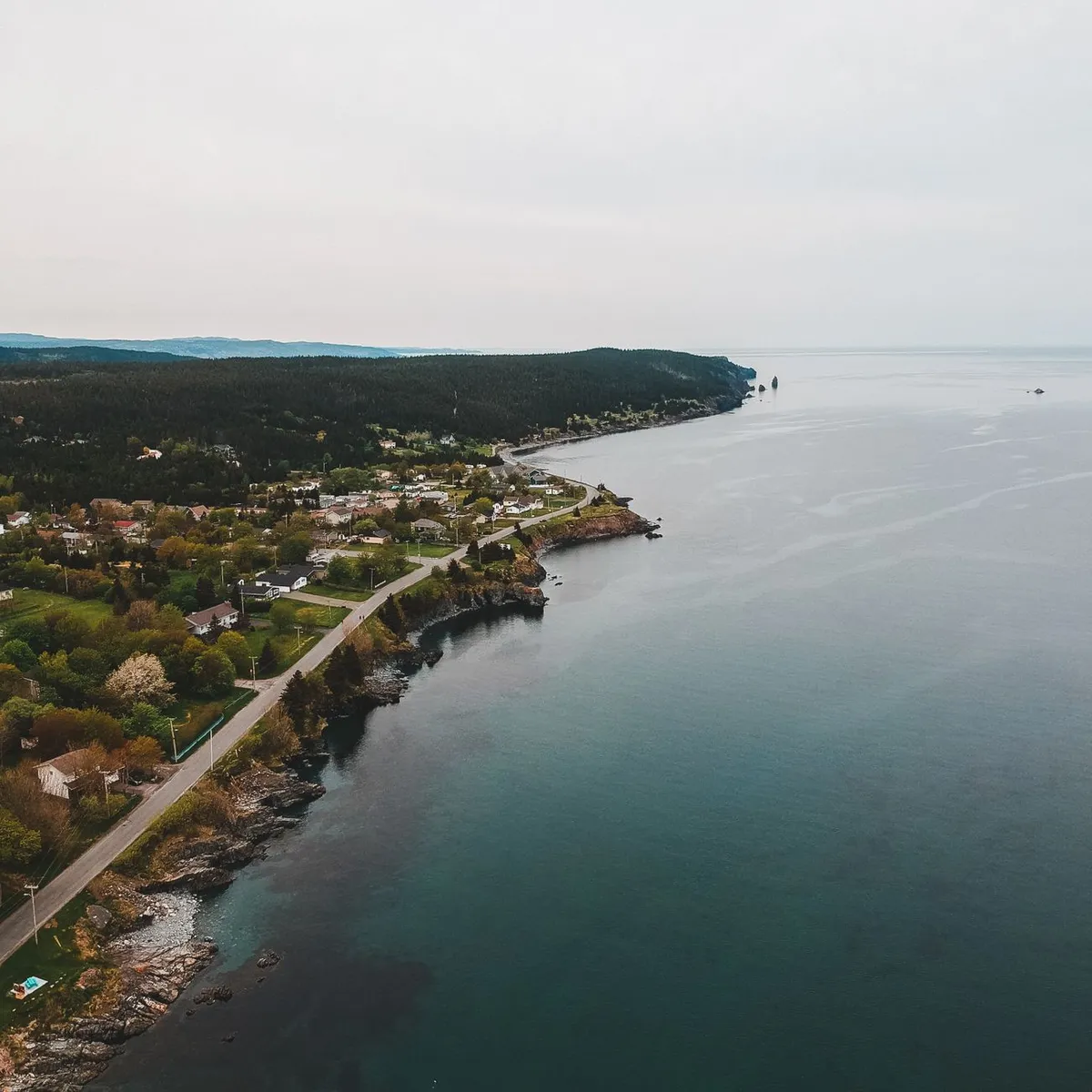
 Photo: Erik Mclean / Pexels
Trois-Rivières
Trois-Rivières accessibility for wheelchair users
Compare Trois-Rivières by accessibility, transport, terrain, healthcare, cost, weather, laws, reviews, and community notes.
Trois-Rivières accessibility scores
Compare Trois-Rivières by accessibility, transport, terrain, healthcare, cost, weather, and laws. General stats use public data and models. Community rows reflect member reviews and votes.
General stats
National benchmarks and estimates — your experience in this city may differ.
Community
Starts from our estimate — thumbs up nudge toward Excellent, down toward Poor. Reviews use 1–5 stars.
These figures combine public statistics, models, and live weather where available. Every city is different — treat this as a guide, and share what you know in the Reviews & Corrections tab.
Profile last updated 7/2/2026.
Trois-Rivières wheelchair accessibility guide
Research Trois-Rivières for wheelchair users and caregivers: getting around, terrain, healthcare, costs, climate, accessible things to do, and practical caveats before booking.
Last updated 7/2/2026At a glance
Trois-Rivières is a lower-cost Québec option with a compact core, riverfront culture, and enough healthcare leads to be worth a closer look. The live row scores 83 for accessibility and 76 overall, with estimated living cost from ~$3,459/mo and housing from ~$1,603/mo. It is not as transit-rich as Montréal or Québec City, but the terrain data is friendly and the city can suit someone who values calmer streets, French-language community, and regional affordability.
Getting around
Local bus and adapted-transport details should be verified with the Société de transport de Trois-Rivières before arrival, especially eligibility, booking windows, and service area. For intercity travel, plan around bus or car transfers rather than frequent rail. The practical strategy is to live near downtown, healthcare, groceries, and riverfront amenities so fewer trips depend on perfect connections.
Terrain & mobility
The terrain profile is gently rolling, with a sampled max grade around 0.8% and only a 66 m elevation range. Pavement score is 77 with high confidence, 56% good surfaces and no poor surfaces in the sampled OSM data. That is promising, but older streets, winter curb cuts, and construction detours can still be barriers. Snow management should be treated as part of accessibility, not an afterthought.
Healthcare & care
The database lists useful healthcare leads close to the centre: GMF-U Trois-Rivières at Centre Saint-Joseph, GMF Du Carmel, Centre hospitalier affilié universitaire régional, Polyclinique de Trois-Rivières, and Centre de santé Cloutier-du Rivage. Treat those as starting points and call ahead for entrance access, elevators, accessible washrooms, and language support. Québec healthcare access may involve wait lists, so confirm primary-care options before a move.
Costs & housing
Compared with many Canadian cities in the queue, Trois-Rivières is relatively budget-friendly. The database estimate is from ~$3,459/mo, with housing from ~$1,603/mo. Newer accessible rentals may be limited, and older triplex or heritage buildings can have stairs. Prioritize buildings with elevator redundancy, heated or well-cleared entrances, and short routes to pharmacies and clinics.
Climate & comfort
Winters are cold and snowy. A wheelchair user should plan for snowbanks at curb ramps, icy sidewalks, and reduced paratransit flexibility during storms. Summers are pleasant but can be humid. The compact scale helps, as long as home, transit, and routine care are clustered carefully.
Accessible things to do
Borealis / riverfront heritage area— A strong cultural anchor near the St. Lawrence; verify current entrance, exhibit, and washroom access before visiting.
Musée POP— A central museum option to check for elevator access, companion policies, and exhibit-floor circulation.
Amphithéâtre Cogeco— A major event venue where accessible seating and drop-off should be booked directly before buying tickets.
Downtown and riverfront promenades— Useful for low-cost outings when surfaces are clear; verify seasonal construction, grades, and washroom availability.
Community & language
French is the everyday language. English can work in some healthcare and tourism contexts, but daily life is easier with French or a support network. The city’s slower pace and lower cost are advantages for some disabled residents; the smaller service market is the tradeoff.
Would we recommend it?
Yes for French-speaking users or those with local support who want lower costs and manageable terrain. It is not ideal if you need big-city specialist care, frequent intercity transit, or effortless English-language services.
These figures combine public statistics, models, and live weather where available. Every city is different — treat this as a guide, and share what you know in the Reviews & Corrections tab.
Profile last updated 7/2/2026.
Reviews & corrections
Share your experience or suggest a data correction. Both appear publicly; admin updates official city scores and costs separately.
Log in to write a review or suggest a correction.
No reviews or corrections yet.