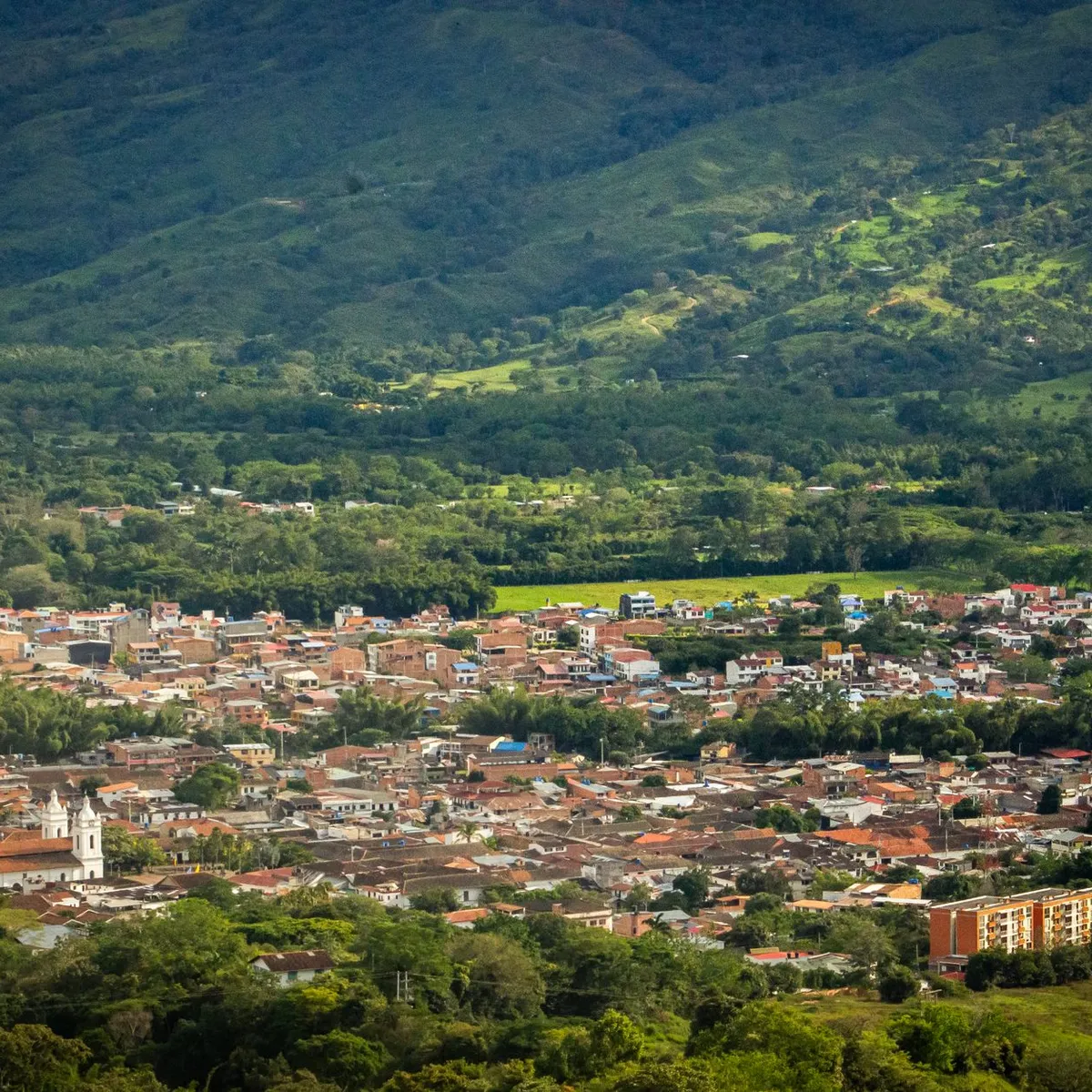
 Photo: Juan Diavanera / Pexels
Tuluá
Tuluá accessibility for wheelchair users
Compare Tuluá by accessibility, transport, terrain, healthcare, cost, weather, laws, reviews, and community notes.
Tuluá accessibility scores
Compare Tuluá by accessibility, transport, terrain, healthcare, cost, weather, and laws. General stats use public data and models. Community rows reflect member reviews and votes.
General stats
National benchmarks and estimates — your experience in this city may differ.
Community
Starts from our estimate — thumbs up nudge toward Excellent, down toward Poor. Reviews use 1–5 stars.
These figures combine public statistics, models, and live weather where available. Every city is different — treat this as a guide, and share what you know in the Reviews & Corrections tab.
Profile last updated 7/2/2026.
Tuluá wheelchair accessibility guide
Research Tuluá for wheelchair users and caregivers: getting around, terrain, healthcare, costs, climate, accessible things to do, and practical caveats before booking.
Last updated 7/2/2026At a glance
Tuluá sits in Colombia’s Valle del Cauca and offers lower costs, a warm social environment, and access to regional services, but wheelchair users should treat it as a verification-heavy destination. The RollVenture profile shows very hilly surrounding terrain, low-confidence pavement data, and mixed safety scores. It may be workable for someone with Spanish fluency, local contacts, and a carefully chosen neighborhood; it is not a simple plug-and-play accessible base.
Getting around
Door-to-door taxis are likely more practical than relying on accessible public transport. Confirm vehicle size, transfer help, and whether drivers will handle a folding chair. For intercity movement, Tuluá sits on major Valle del Cauca road corridors, but bus accessibility and terminal boarding should be checked before travel. Daily routes should be tested in person for curb cuts, drainage channels, sidewalk height, and night lighting.
Terrain & mobility
OpenTopoData labels the broader sample very hilly, with a large elevation range around the city. Central Tuluá may have flatter sections, but side trips and neighborhoods toward the hills can quickly become difficult. OSM pavement data is low-confidence and mostly untagged. Expect a mix of concrete, asphalt, unpaved segments, and inconsistent curb ramps. Rain is frequent, so drainage and surface grip matter.
Healthcare & care
OpenStreetMap lists IPS Sinergia Salud, IPS Profamilia Tuluá, and ESE Hospital Municipal Rubén Cruz Vélez-related facilities as healthcare leads. Treat those as starting points only. Call in Spanish to confirm entrance ramps, lift access, appointment logistics, accessible bathrooms, and specialist availability. For higher-complexity care, Cali may be the regional backup, so confirm travel options before relying on Tuluá alone.
Costs & housing
Estimated monthly living costs are from ~$1,799/mo, with housing from ~$650/mo. That is attractive, but accessible housing supply needs hands-on screening. Ask for videos showing the street, building entrance, elevator or ground-floor access, bathroom, shower, bedroom clearance, and route to groceries. Safety and nighttime transport should be part of the housing decision, not an afterthought.
Climate & comfort
The climate is warm year-round, with RollVenture climate data showing frequent rain in many months. Heat is less extreme than some lowland cities, but humidity, wet pavement, and drainage can make wheelchair travel tiring. Choose housing with good ventilation, reliable electricity, and covered access where possible.
Accessible things to do
Tuluá city center and Parque Bolívar area— A practical orientation point for cafés, errands, and people-watching; check curb ramps and pavement before making it a daily route.
Jardín Botánico Juan María Céspedes— A known regional botanical destination near Tuluá; contact ahead about paths, gradients, accessible toilets, and vehicle drop-off.
Lago Chillicote area— A local outdoor leisure area; verify path surfacing, ramps, and safety before visiting.
Buga day trip / Basilica area— A common regional excursion; confirm step-free access and accessible transport before planning around it.
Community & language
Spanish is essential for landlords, clinics, and drivers. Colombians are often socially helpful, but informal assistance is not a substitute for accessible infrastructure. Local disability groups or expat contacts would materially improve reliability.
Would we recommend it?
Maybe, for a Spanish-speaking wheelchair user who can verify housing and transport locally. Costs and regional access are positives, but terrain, rain, safety, and limited accessibility data keep it in the cautious category.
These figures combine public statistics, models, and live weather where available. Every city is different — treat this as a guide, and share what you know in the Reviews & Corrections tab.
Profile last updated 7/2/2026.
Reviews & corrections
Share your experience or suggest a data correction. Both appear publicly; admin updates official city scores and costs separately.
Log in to write a review or suggest a correction.
No reviews or corrections yet.