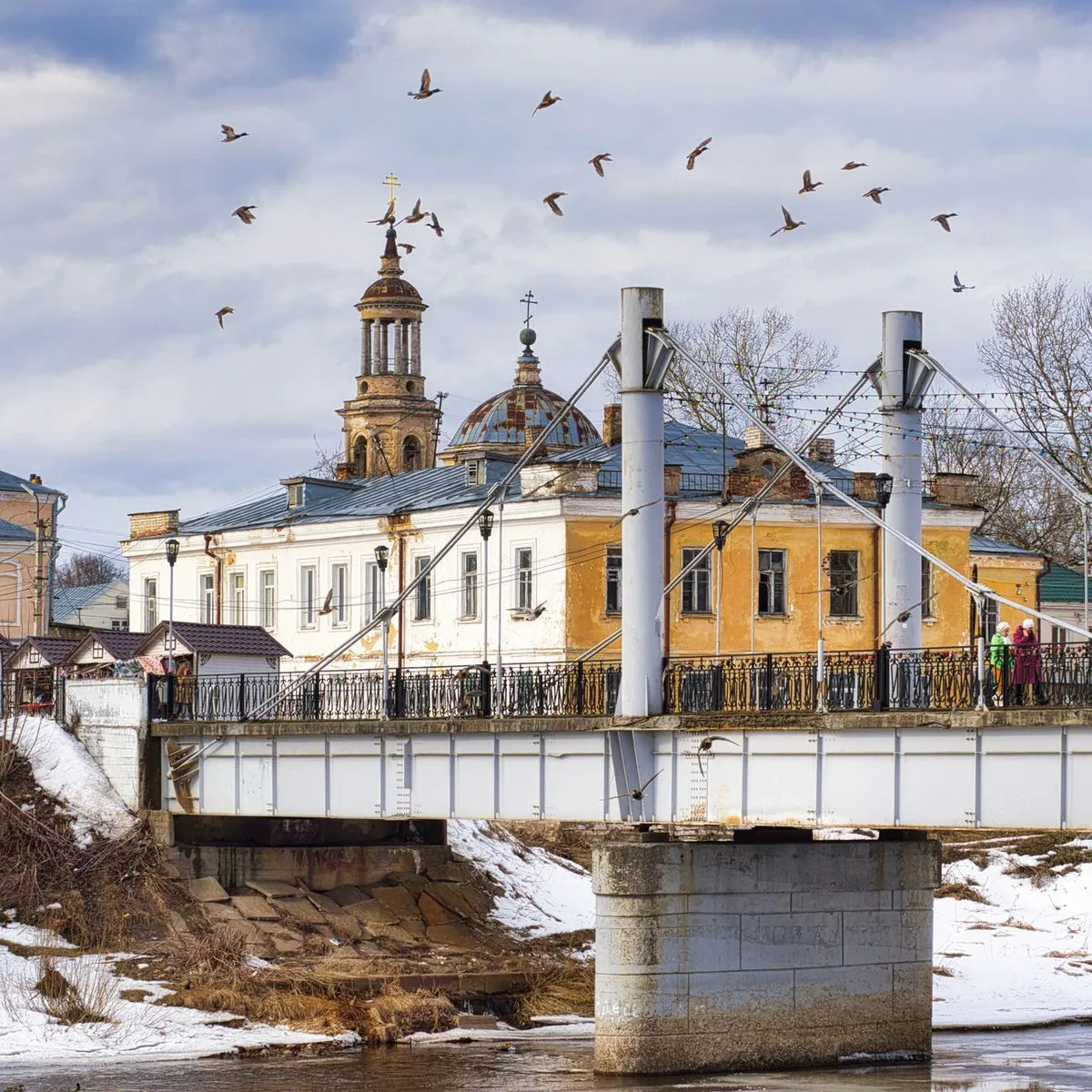
 Photo: Константин Поляков / Pexels
Tver
Tver accessibility for wheelchair users
Compare Tver by accessibility, transport, terrain, healthcare, cost, weather, laws, reviews, and community notes.
Tver accessibility scores
Compare Tver by accessibility, transport, terrain, healthcare, cost, weather, and laws. General stats use public data and models. Community rows reflect member reviews and votes.
General stats
National benchmarks and estimates — your experience in this city may differ.
Community
Starts from our estimate — thumbs up nudge toward Excellent, down toward Poor. Reviews use 1–5 stars.
These figures combine public statistics, models, and live weather where available. Every city is different — treat this as a guide, and share what you know in the Reviews & Corrections tab.
Profile last updated 6/30/2026.
Tver wheelchair accessibility guide
Research Tver for wheelchair users and caregivers: getting around, terrain, healthcare, costs, climate, accessible things to do, and practical caveats before booking.
Last updated 6/30/2026At a glance
Tver is a historic Volga city between Moscow and St. Petersburg, with river embankments, museums, and a flatter terrain profile than many cities in this batch. The live row shows accessibility 48/100, infrastructure 58/100, wheelchair transport 54/100, and “Gently Rolling” terrain with 100% flat sampled points. That makes the physical landscape promising, but Russian-language logistics, winter weather, and uneven Soviet-era infrastructure remain important barriers. DB costs suggest a monthly stay from ~$2,599/mo, with housing from ~$1,344/mo.
Getting around
Do not assume buses, marshrutkas, or older stops are wheelchair-accessible. Taxis or arranged rides are the safer baseline, especially in snow, after dark, or when visiting museums. Rail access to Moscow/St. Petersburg can be useful, but station step-free routes, assistance windows, platform gaps, and elevator status should be confirmed before buying tickets.
Terrain & mobility
The terrain profile is one of Tver’s advantages: gently rolling, low sampled grades, and a small elevation range. The pavement profile is only medium confidence, with asphalt mixed with unpaved and ground segments, so sidewalk quality is still uneven. Riverfront routes may be the best candidates for short rolls, while courtyards, underpasses, and older entrances can present steps.
Healthcare & care
OpenStreetMap healthcare leads include the Centre for Child Neurology and Medical Rehabilitation, rehabilitation medicine clinics, children’s hospital polyclinic branches, Polyclinic No. 5, and Revitаль. These are leads only; verify adult services, visitor eligibility, accessible entrances, lifts, and payment arrangements directly. Russian will be needed for most medical coordination.
Costs & housing
Tver is not the cheapest row in this batch: DB guidance is from ~$2,599/mo overall, with housing from ~$1,344/mo, transport from ~$192/mo, medical from ~$134/mo, and home aid from ~$467/mo. Prioritize newer apartment blocks or hotels with working elevators, level showers, and winter-maintained entrances. Ask specifically about snow clearing from street to lobby.
Climate & comfort
Winters are the main comfort issue. Snow, ice, curb plow piles, and short daylight can turn otherwise flat routes into difficult ones. Summer and early autumn are much better for rolling along the Volga and visiting central sights. If you need daily outdoor independence, avoid deep winter unless you have strong local support.
Accessible things to do
Volga embankment / city riverfront— the most plausible low-grade outdoor outing; check paving and snow/ice conditions seasonally.
Tver Imperial Travel Palace— a major museum landmark; verify current step-free entrance, elevator availability, and accessible restroom before booking.
Afanasy Nikitin monument area— a recognizable riverfront landmark that can pair with an embankment route if curb cuts cooperate.
Tver State United Museum sites— useful indoor cultural leads, but accessibility can vary by building; contact the specific branch before visiting.
Community & language
Russian is essential for healthcare, transport, and access checks. English may be limited outside major hotels. Written confirmations, map pins, and photos of entrances are especially helpful.
Would we recommend it?
Yes only for travelers comfortable operating in Russian or with local help. Physically, Tver’s flatter terrain is a plus; practically, winter maintenance, venue-by-venue access, and language support decide whether it works.
These figures combine public statistics, models, and live weather where available. Every city is different — treat this as a guide, and share what you know in the Reviews & Corrections tab.
Profile last updated 6/30/2026.