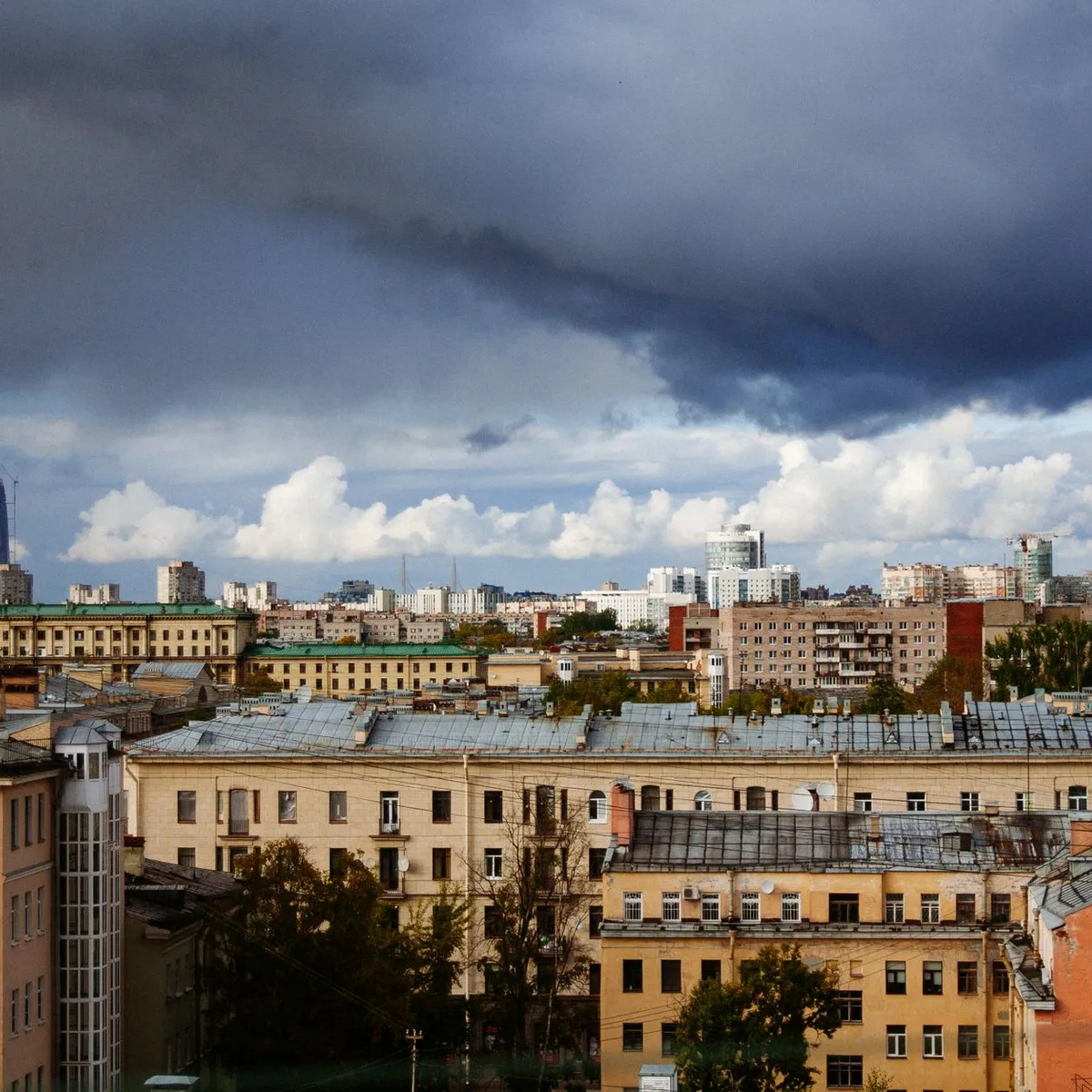
 Photo: Plato Terentev / Pexels
Khimki
Khimki accessibility for wheelchair users
Compare Khimki by accessibility, transport, terrain, healthcare, cost, weather, laws, reviews, and community notes.
Khimki accessibility scores
Compare Khimki by accessibility, transport, terrain, healthcare, cost, weather, and laws. General stats use public data and models. Community rows reflect member reviews and votes.
General stats
National benchmarks and estimates — your experience in this city may differ.
Community
Starts from our estimate — thumbs up nudge toward Excellent, down toward Poor. Reviews use 1–5 stars.
These figures combine public statistics, models, and live weather where available. Every city is different — treat this as a guide, and share what you know in the Reviews & Corrections tab.
Profile last updated 7/2/2026.
Khimki wheelchair accessibility guide
Research Khimki for wheelchair users and caregivers: getting around, terrain, healthcare, costs, climate, accessible things to do, and practical caveats before booking.
Last updated 7/2/2026At a glance
Khimki is a Moscow-edge city that works best for wheelchair users who want a quieter base near the capital rather than a fully independent destination. The DB profile gives it a mid-range overall score, decent infrastructure for the region, and a cost estimate from ~$2,653/mo. Expect better elevators, ramps, and smoother interiors in newer malls, business centers, clinics, and hotels, with more uncertainty on older sidewalks, apartment entrances, rail approaches, and snow-clearing.
Getting around
Plan around private transfers, accessible taxis arranged by a hotel, or a companion who can help at station edges. Khimki is tied to Moscow by rail, road, and buses, but step-free continuity is not something to assume across every stop. Confirm lift status, platform access, vehicle boarding, and winter clearance before relying on transit. For day trips into Moscow, it may be easier to start from a known accessible metro/rail node and keep a buffer for traffic.
Terrain & mobility
OpenTopoData sampling labels the area gently rolling, with low central grades, so the biggest barriers are not mountains; they are curb cuts, parked cars, underpasses, snow, ice, and inconsistent surface detail. The local pavement profile is incomplete, so treat smooth-route planning as a case-by-case task. Newer shopping or office districts are generally safer bets than residential shortcuts.
Healthcare & care
OSM lists local clinic leads including Khimki central-hospital related women’s consultation and nearby polyclinic options, but these are leads, not access guarantees. Keep Moscow specialist care in the plan for complex needs, and verify elevator access, accessible toilets, imaging-table transfers, and whether a companion can assist. Bring Russian-language medical summaries and prescriptions.
Costs & housing
Use the DB cost estimate from ~$2,653/mo as a planning floor. Step-free housing may cost more than the median because reliable elevators, wide doors, roll-in showers, and snow-cleared entrances need specific verification. Ask for current entrance photos, lift dimensions, bathroom photos, and building-management confirmation before booking.
Climate & comfort
Winters are the main access issue: snow, slush, and refreezing can erase curb cuts and make ramps risky. July and August are easier for outdoor rolling, while shoulder seasons can be wet and uneven. Build indoor alternatives into every itinerary.
Accessible things to do
MEGA Khimki— A large modern shopping center is one of the more predictable indoor options; verify elevator and accessible toilet locations before arrival.
Khimki waterfront and park areas— Good for short, companion-assisted rolls in fair weather, but inspect paving and curb transitions locally.
Arena Khimki / Rodina sports area— Event venues can be workable if accessible seating, entry routes, and toilets are confirmed directly with the operator.
Moscow day trip by planned transfer— The strongest cultural option may be using Khimki as a base and arranging a door-to-door transfer to accessible Moscow museums or malls.
Community & language
Russian is essential for medical, transport, and building-access negotiations. English may be available in larger hotels or malls but should not be assumed. A local assistant or Russian-speaking contact meaningfully improves reliability.
Would we recommend it?
Yes, with support, if you need a Moscow-area base and can prioritize modern buildings, private transfers, and winter backup plans. It is not a low-friction solo wheelchair destination.
These figures combine public statistics, models, and live weather where available. Every city is different — treat this as a guide, and share what you know in the Reviews & Corrections tab.
Profile last updated 7/2/2026.