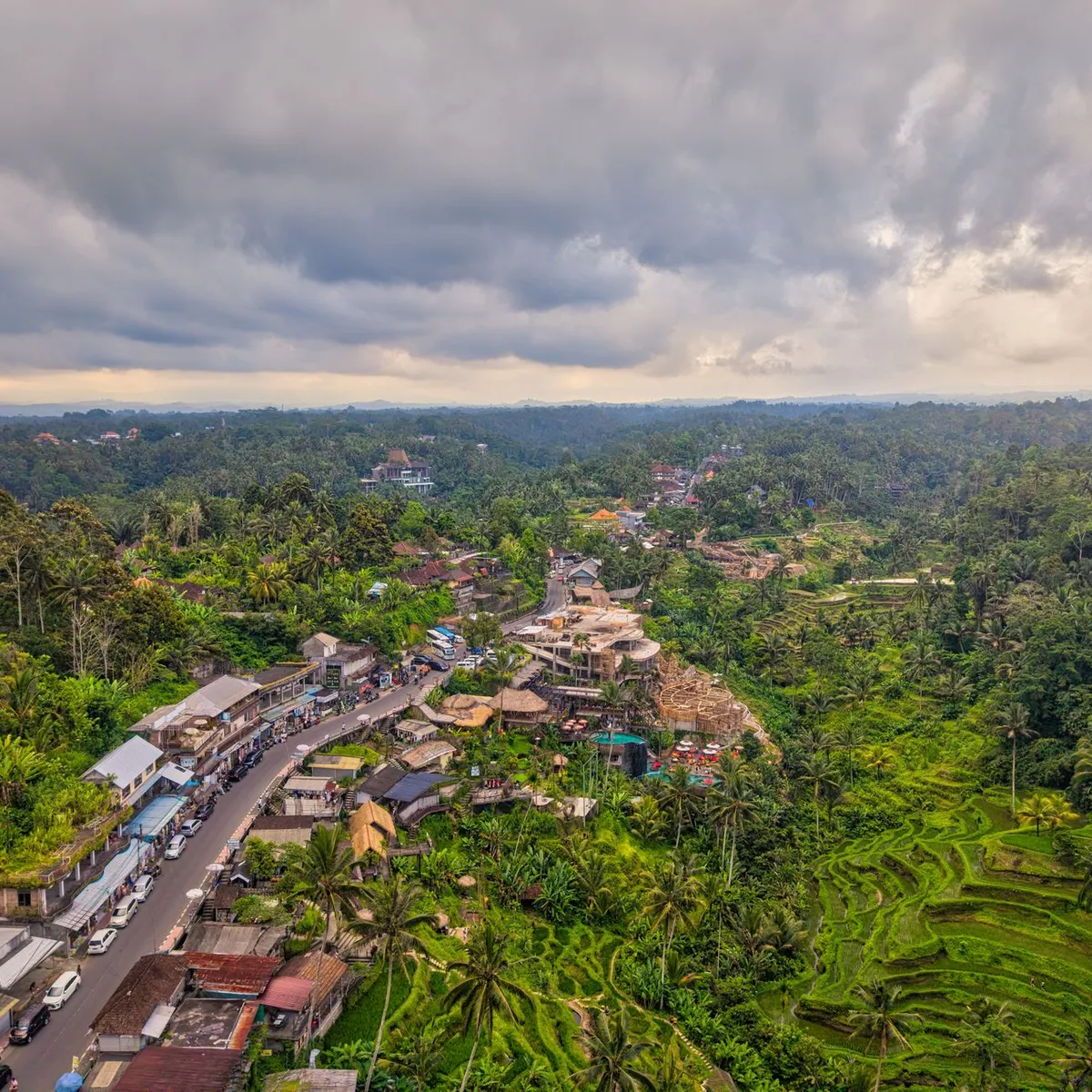
 Photo: Tom Fisk / Pexels
Ubud
Ubud accessibility for wheelchair users
Compare Ubud by accessibility, transport, terrain, healthcare, cost, weather, laws, reviews, and community notes.
Ubud accessibility scores
Compare Ubud by accessibility, transport, terrain, healthcare, cost, weather, and laws. General stats use public data and models. Community rows reflect member reviews and votes.
General stats
National benchmarks and estimates — your experience in this city may differ.
Community
Starts from our estimate — thumbs up nudge toward Excellent, down toward Poor. Reviews use 1–5 stars.
These figures combine public statistics, models, and live weather where available. Every city is different — treat this as a guide, and share what you know in the Reviews & Corrections tab.
Profile last updated 6/30/2026.
Ubud wheelchair accessibility guide
Research Ubud for wheelchair users and caregivers: getting around, terrain, healthcare, costs, climate, accessible things to do, and practical caveats before booking.
Last updated 6/30/2026At a glance
Ubud is one of Bali’s best-known culture bases, but it is also one of the places where wheelchair users need the most realistic expectations. The town has art, temples, restaurants, clinics, and guesthouses packed into narrow roads, hills, and broken sidewalks. RollVenture’s live profile marks the area as hilly with a sizeable elevation range, and pavement data is only medium confidence. Ubud can be rewarding with a strong helper setup; it is not a low-friction independent rolling city.
Getting around
Plan on a private driver, not public transport. Traffic through central Ubud is slow, and sidewalks can disappear into steps, drains, parked scooters, or uneven stone. A folding manual chair is easier to manage than a heavy power chair, especially at guesthouses and temples. For day trips, ask drivers to park as close as legally possible and wait, because finding a second accessible vehicle at short notice may be difficult.
Terrain & mobility
The central roads include slopes, narrow shoulders, and frequent thresholds. Rice-field paths and ridge walks may look gentle in photos but can include dirt, stairs, narrow edges, and no turning space. Choose accommodation on the same side of town as your main activities, avoid steep villa driveways, and request current photos of the exact route from street to room. Rain can make stone paths slippery.
Healthcare & care
OSM healthcare leads in the row include Ubud Care, Ubud Clinic, Maitri Medical, and other nearby providers. These are local-care leads rather than verified accessible facilities. For complex needs, many travelers use Denpasar or larger Bali hospitals as backup. Confirm whether clinics can handle transfers, wound care, prescription refills, and after-hours support. If you use mobility equipment, bring spares; local repair options may be improvised.
Costs & housing
The DB estimate is from ~$1,504/mo, with housing from ~$424/mo. Ubud can look affordable, but accessible rooms are a much smaller subset. Many villas have garden steps, outdoor bathrooms, sunken showers, or steep paths from parking. Ask for video walkthroughs, not just “ground floor” confirmation. If you need roll-in shower access, prioritize modern hotels or serviced apartments over traditional compounds.
Climate & comfort
Ubud is warm, humid, and rain can arrive fast. The inland setting is cooler than the coast at times, but dense traffic and limited sidewalks can make short trips tiring. Carry water, choose shaded restaurants, and plan recovery time after cultural sites. Mosquito control and dry storage for cushions matter during wet periods.
Accessible things to do
Ubud Palace area— a central cultural landmark, but expect crowds, uneven stone, and possible steps; best with assistance.
Sacred Monkey Forest area— famous and close to town; check current path access and consider whether monkeys near bags or chair parts are comfortable for you.
Art museums and galleries— ARMA, Neka, and smaller galleries can be good rainy-day leads; contact each venue for ramps and toilet details.
Cafe-and-craft route in central Ubud— often more realistic than long walks; choose a few level-entry venues and move by car between clusters.
Community & language
Balinese and Indonesian are local languages; English is common in tourism. Service culture is helpful, but “accessible” may mean staff will lift or carry, not that the built environment works. Explain whether lifting is acceptable, and if not, be direct about step-free requirements.
Would we recommend it?
Yes only for travelers who value culture enough to accept friction. Ubud is beautiful and service-rich, but wheelchair users should budget for drivers, helpers, and carefully vetted lodging.
These figures combine public statistics, models, and live weather where available. Every city is different — treat this as a guide, and share what you know in the Reviews & Corrections tab.
Profile last updated 6/30/2026.