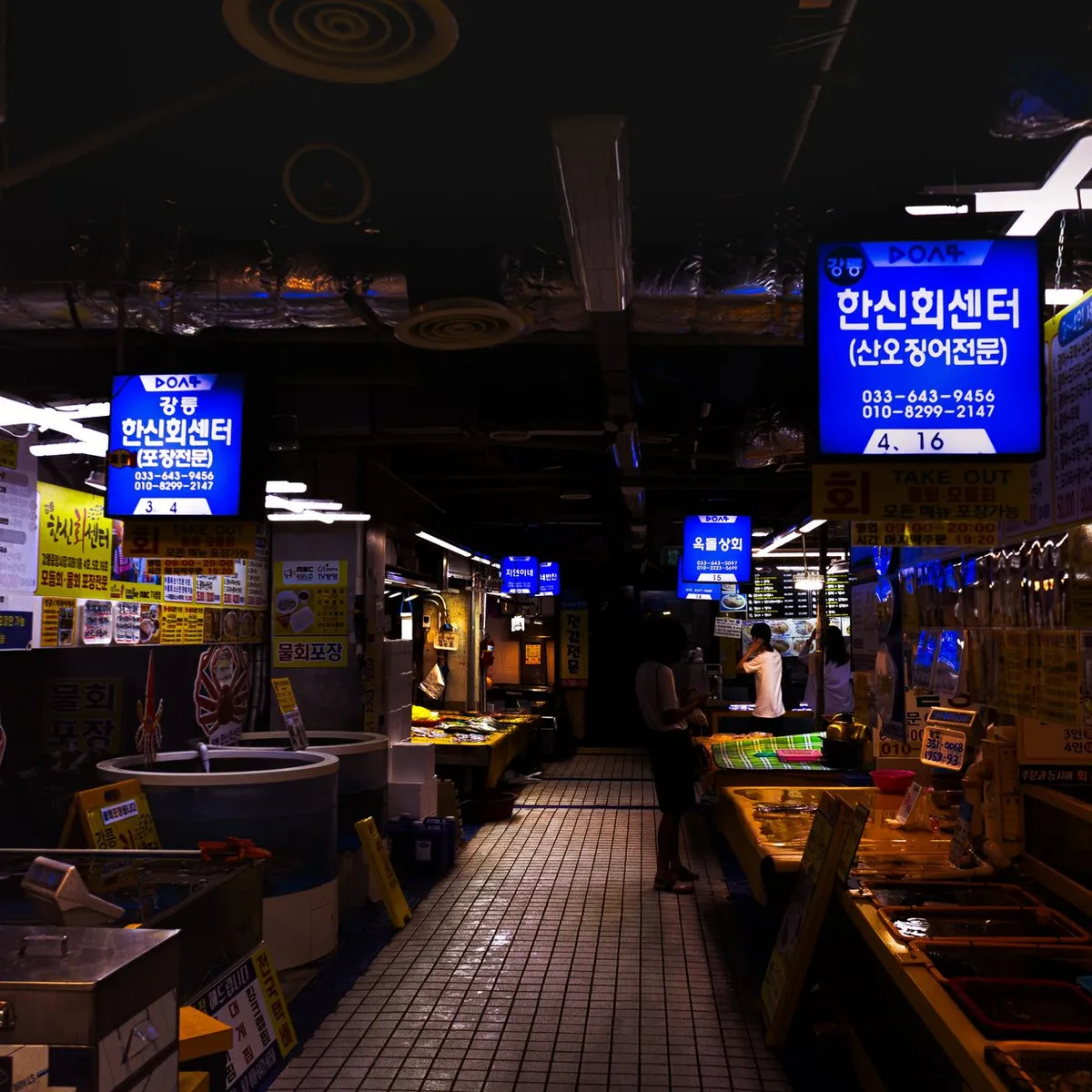
 Photo: KYUTAE PARK / Pexels
Uijeongbu-si
Uijeongbu-si accessibility for wheelchair users
Compare Uijeongbu-si by accessibility, transport, terrain, healthcare, cost, weather, laws, reviews, and community notes.
Uijeongbu-si accessibility scores
Compare Uijeongbu-si by accessibility, transport, terrain, healthcare, cost, weather, and laws. General stats use public data and models. Community rows reflect member reviews and votes.
General stats
National benchmarks and estimates — your experience in this city may differ.
Community
Starts from our estimate — thumbs up nudge toward Excellent, down toward Poor. Reviews use 1–5 stars.
These figures combine public statistics, models, and live weather where available. Every city is different — treat this as a guide, and share what you know in the Reviews & Corrections tab.
Profile last updated 6/30/2026.
Uijeongbu-si wheelchair accessibility guide
Research Uijeongbu-si for wheelchair users and caregivers: getting around, terrain, healthcare, costs, climate, accessible things to do, and practical caveats before booking.
Last updated 6/30/2026At a glance
Uijeongbu is a practical northern-Seoul satellite city for someone who wants Korean urban services without staying in central Seoul. The live city row scores it well for infrastructure and wheelchair transport, while the terrain profile is mixed rather than flat: expect usable station-area corridors, but plan hills and longer ramps carefully. Costs in the database are relatively moderate for the Seoul region, from ~$2,781/mo overall and housing from ~$1,092/mo. The best fit is a traveler or longer-stay resident who can use the Seoul metro network, pre-check building entrances, and keep a Seoul hospital backup plan.
Getting around
Uijeongbu is on Seoul-area rail and bus routes, so accessible trips are most realistic when they are built around stations, malls, civic buildings, and main roads. Seoul metro accessibility information and station elevator status should be checked before each trip because a single unavailable lift can add a long detour. Taxis and call-van services may be needed for temple, park, or hillside destinations outside the flatter urban core.
Terrain & mobility
The city sits between mountain ridges, and the DB terrain sample shows mixed terrain with meaningful elevation range. Central commercial streets and newer apartment districts are the easiest starting points, while older market lanes, side streets, and trail approaches can have slopes, uneven paving, or vehicle crossings. Treat OSM pavement data as a lead only: it suggests some good mapped surfaces, but many streets are untagged.
Healthcare & care
The DB profile lists nearby clinics and hospitals from OpenStreetMap, but those entries should be treated as leads rather than guarantees of step-free access or English service. For routine care, confirm appointment access, elevators, and companion policies directly. For complex care, Uijeongbu can also lean on the wider Seoul medical network, but travel time and station accessibility should be planned in advance.
Costs & housing
Use the DB cost estimate as a planning baseline: from ~$2,781/mo total, housing from ~$1,092/mo, transport from ~$261/mo, medical from ~$142/mo, and home aid from ~$687/mo. Step-free apartments are most likely in newer high-rise complexes; verify elevator size, bathroom thresholds, entrance ramps, and the path from the nearest accessible station before committing.
Climate & comfort
Summers are humid and winters can be cold enough for ice on slopes and curb cuts. Build winter routes around major roads, indoor connections, and stations with working elevators. Air-conditioning and heating are common in modern housing, but older low-rise units may require closer inspection.
Accessible things to do
Uijeongbu Arts Center— a civic performing-arts venue to consider for controlled indoor outings; confirm current wheelchair seating, elevator routes, and companion ticket rules before booking.
Uijeongbu Jeil Market area— useful for food and everyday local atmosphere, but go expecting crowds, narrow aisles, and uneven thresholds; it is better as a short, assisted visit than a fully independent roll.
Hoiryongsa / Hoeryong Temple area— a real local heritage and mountain-edge destination; treat it as scenic rather than reliably wheelchair-accessible and verify vehicle drop-off options.
Bukhansan-Dobongsan/Suraksan approaches— nearby mountain parks are good for views and café stops, but trail access varies; choose paved entrances only and avoid assuming continuous wheelchair routes.
Community & language
Korean is the working language. Translation apps help, but medical visits, housing inspections, and care-worker arrangements are smoother with a Korean-speaking helper. The city is close enough to Seoul to make expat services reachable.
Would we recommend it?
Yes, cautiously, for someone comfortable with Seoul-region transit planning and mixed terrain. It is not the easiest first Korean base for a wheelchair user, but it can work with station-by-station planning, newer housing, and conservative outing choices.
These figures combine public statistics, models, and live weather where available. Every city is different — treat this as a guide, and share what you know in the Reviews & Corrections tab.
Profile last updated 6/30/2026.