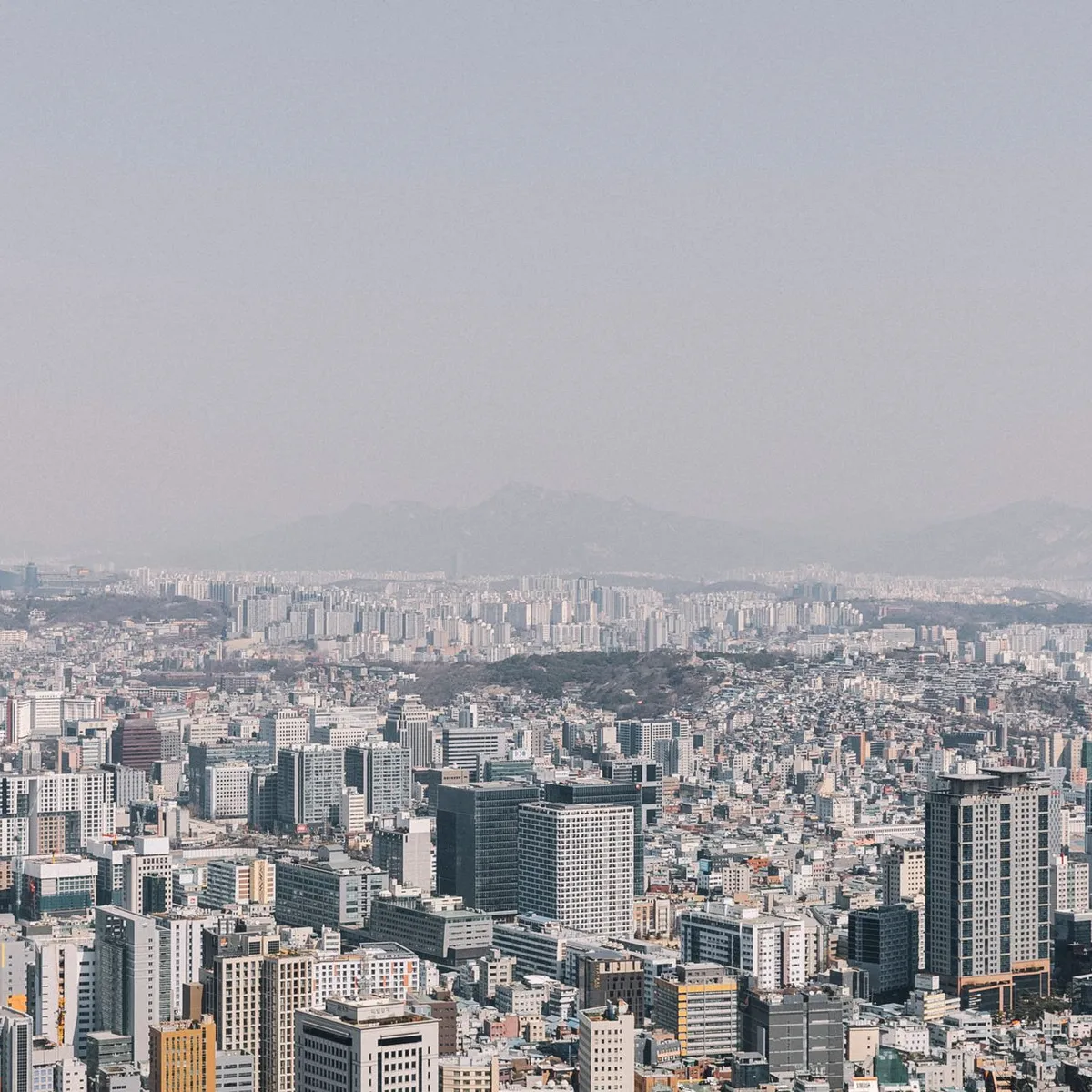
 Photo: Elina Volkova / Pexels
Seoul
Seoul accessibility for wheelchair users
Compare Seoul by accessibility, transport, terrain, healthcare, cost, weather, laws, reviews, and community notes.
Seoul accessibility scores
Compare Seoul by accessibility, transport, terrain, healthcare, cost, weather, and laws. General stats use public data and models. Community rows reflect member reviews and votes.
General stats
National benchmarks and estimates — your experience in this city may differ.
Community
Starts from our estimate — thumbs up nudge toward Excellent, down toward Poor. Reviews use 1–5 stars.
These figures combine public statistics, models, and live weather where available. Every city is different — treat this as a guide, and share what you know in the Reviews & Corrections tab.
Profile last updated 7/2/2026.
Seoul wheelchair accessibility guide
Research Seoul for wheelchair users and caregivers: getting around, terrain, healthcare, costs, climate, accessible things to do, and practical caveats before booking.
Last updated 7/2/2026At a glance
Seoul is a huge, high-service capital with excellent healthcare, extensive transit, and real accessible-tourism infrastructure, but it is also hilly, crowded, and uneven from district to district. The live row shows costs from ~$3,349/mo, housing from ~$1,568/mo, strong infrastructure, and curated hospital leads including Seoul National University Hospital and Asan Medical Center. The strongest source checked was Visit Seoul's accessibility page, which describes the Seoul Danurim Tourism Center, wheelchair-lift buses and minivans, travel-aid rentals, accessible-tourism consultation, and airport assistance information.
Getting around
Seoul's subway and buses can work well for wheelchair users, but station-by-station planning is essential. Elevators may be far from the platform, transfers can be long, and peak-hour crowding is intense. Visit Seoul notes Danurim buses and minivans with wheelchair lifts, plus accessible-tourism consultation. Use that service for first-trip planning, especially for airport arrival, hotel choice, and routes to major sights.
Terrain & mobility
The database terrain profile labels Seoul very hilly, with a low-confidence pavement profile. That is realistic: flat riverside and palace-area routes exist, but neighborhoods can change grade quickly. Pavement quality varies, tactile paving can be busy or blocked, and winter ice or summer monsoon rain can complicate curb cuts. Choose accommodation close to an elevator-served station on a simple line.
Healthcare & care
Seoul is one of the strongest cities in this batch for specialist care. The row lists Seoul National University Hospital and Asan Medical Center as curated leads; both are major institutions, with international services commonly available. Still, confirm language support, referral requirements, insurance, and accessible arrival routes before relying on a hospital.
Costs & housing
Seoul can be better value than many Western capitals, but accessible housing is uneven. Use from ~$3,349/mo overall and from ~$1,568/mo housing as a baseline, then budget extra for a newer apartment, hotel, or serviced residence with lifts, step-free bathrooms, and reliable climate control. Many older buildings have small elevators or entrance steps.
Climate & comfort
Summers are humid and rainy; winters are cold and icy. Air quality can also affect comfort. Indoor malls, underground passages, and transit stations help, but not all underground routes are simple for wheelchair navigation.
Accessible things to do
Seoul Danurim Tourism Center— Visit Seoul says it provides accessible-tourism consultation, travel-aid rentals, and Danurim buses/minivans with wheelchair lifts.
Gyeongbokgung / palace district— A major flat-area outing by Seoul standards; verify gate routes, gravel sections, and accessible restrooms before visiting.
Cheonggyecheon and central stream walks— Scenic central route, but access points vary; choose ramped segments and avoid crowded festival times.
National Museum of Korea— A large modern museum that is generally a better bet than small historic sites; verify current elevators and rentals.
Hangang parks— Good for wide riverside paths, but station-to-park access and seasonal weather need planning.
Community & language
Korean is the daily language. English is workable in major hotels, hospitals, and tourist services, but less reliable in small clinics or housing. Apps, translated addresses, and Danurim support reduce friction.
Would we recommend it?
Yes, for users who want big-city healthcare, food, culture, and transit, and who can plan routes carefully. It is not a carefree roll, but Seoul has enough official support to make a well-planned stay realistic.
These figures combine public statistics, models, and live weather where available. Every city is different — treat this as a guide, and share what you know in the Reviews & Corrections tab.
Profile last updated 7/2/2026.