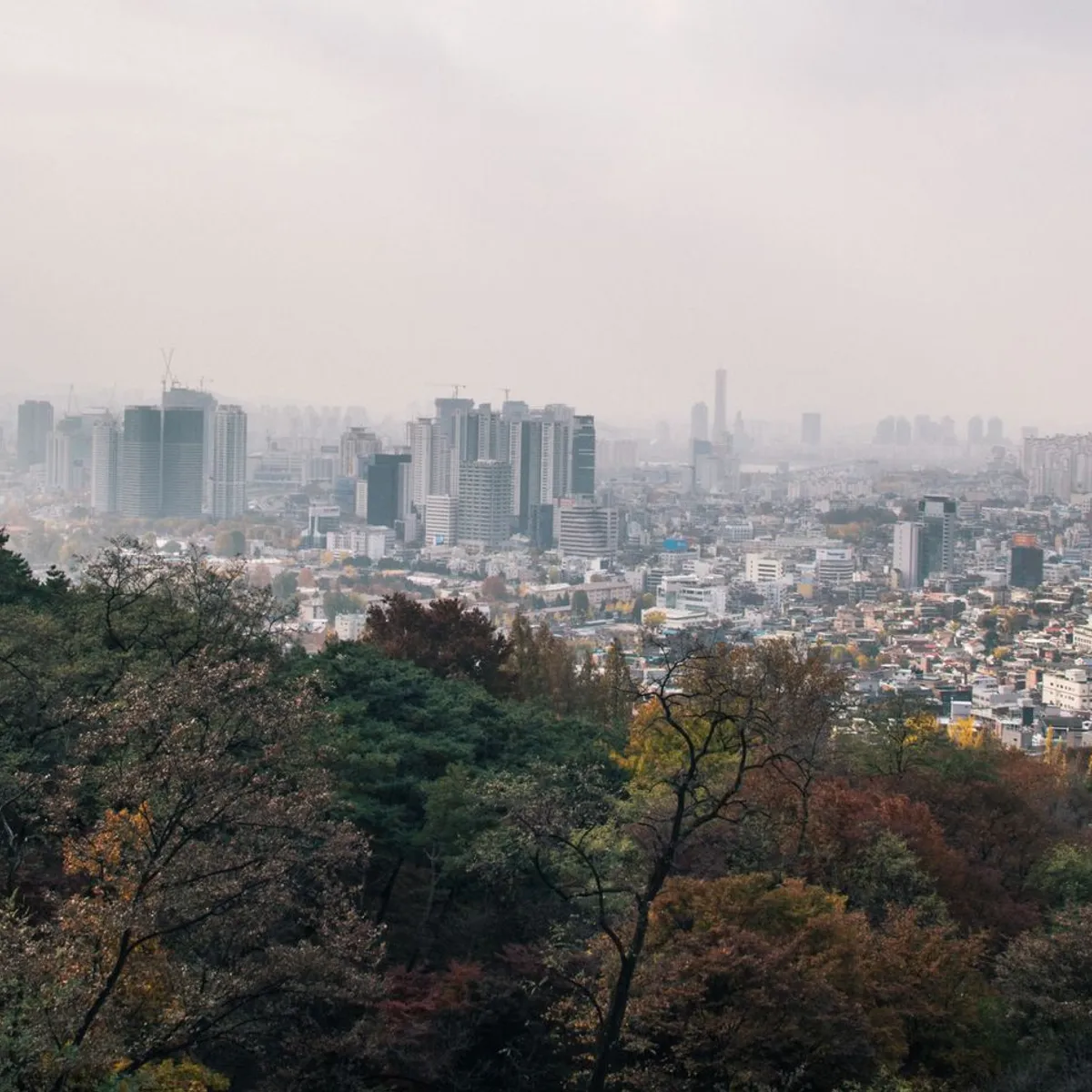
 Photo: Tranmautritam / Pexels
Daejeon
Daejeon accessibility for wheelchair users
Compare Daejeon by accessibility, transport, terrain, healthcare, cost, weather, laws, reviews, and community notes.
Daejeon accessibility scores
Compare Daejeon by accessibility, transport, terrain, healthcare, cost, weather, and laws. General stats use public data and models. Community rows reflect member reviews and votes.
General stats
National benchmarks and estimates — your experience in this city may differ.
Community
Starts from our estimate — thumbs up nudge toward Excellent, down toward Poor. Reviews use 1–5 stars.
These figures combine public statistics, models, and live weather where available. Every city is different — treat this as a guide, and share what you know in the Reviews & Corrections tab.
Profile last updated 6/30/2026.
Daejeon wheelchair accessibility guide
Research Daejeon for wheelchair users and caregivers: getting around, terrain, healthcare, costs, climate, accessible things to do, and practical caveats before booking.
Last updated 6/30/2026At a glance
Daejeon is a large, practical South Korean city with universities, research institutes, hospitals, rail connections, and lower intensity than Seoul. For wheelchair users, the appeal is modern infrastructure and public safety; the caution is terrain. The RollVenture row labels the area very hilly, with a 7.8% sampled max grade and low OSM pavement confidence, even though infrastructure and transport scores are strong. Budget from ~$2,886/mo, with housing from ~$1,250/mo.
Getting around
Daejeon has urban rail and bus coverage, plus KTX/SRT rail links via Daejeon Station for regional trips. South Korea has been improving station elevators and low-floor bus access, but access can still vary by stop, vehicle, and transfer. Before relying on a route, check station elevator status, platform gaps, and whether the bus stop itself has a usable curb/sidewalk. Taxis may be useful for hills or late returns, but wheelchair-accessible taxi availability should be verified locally.
Terrain & mobility
This is the key caveat. Central Dunsan and major commercial districts can be manageable, but the city sits among hills and university/science districts with slopes. The DB pavement sample has low confidence and only 6% good tagged surfaces, so do not overtrust map data. Choose lodging near the exact station or bus corridor you will use, avoid hillside addresses, and ask for street-level photos from the building entrance to the nearest transit stop.
Healthcare & care
The DB healthcare profile lists several OSM hospital/clinic leads near the center, including Daejeon University Dunsan Korean Medicine Hospital and pediatric/skin/specialty hospitals. Treat these as leads only. For a longer stay, verify a major general hospital, accessible exam rooms, interpreter support, rehabilitation/physical therapy, prescription availability, and whether your mobility equipment can be serviced locally. The row estimates medical costs around $138/mo, PT around $97/mo, and home aid around $662/mo.
Costs & housing
Daejeon is more affordable than Seoul and many U.S. cities, but accessible housing still requires verification. Newer high-rise apartments may have elevators, step-free lobbies, and wet-room style bathrooms, while older villas can have steps or tight bathrooms. Ask for elevator dimensions, bathroom drain layout, doorway widths, building entrance slope, and distance to a flat transit route.
Climate & comfort
Expect hot, humid summers, cold winters, rain, and occasional snow/ice. Hills plus humidity can be tiring for manual-chair users. Winter curb and ramp conditions should be checked after storms. Air conditioning, covered waits, and backup taxi options will matter more than the city’s headline accessibility score.
Accessible things to do
Expo Science Park / Hanbit Tower area— A useful modern landmark zone; verify current site routes, elevators, and event closures.
National Science Museum— A strong indoor option in the science district; check visitor accessibility, elevators, and transit approach.
Daejeon O-World— Family attraction with mixed outdoor terrain; verify wheelchair routes and show/ride access before committing.
Yuseong Hot Springs area— A recognizable district, but bathhouse access varies; treat it as a neighborhood stroll/food stop unless a specific facility confirms step-free bathing access.
Community & language
Korean is the main language. English is more likely around universities, research institutes, and major hotels than in small clinics or landlords’ offices. Prepare translated accessibility questions and ask for photos or video of entrances, bathrooms, and street approaches.
Would we recommend it?
Maybe, with careful housing and route selection. Daejeon has modern-city advantages and reasonable costs, but the hills and uncertain pavement data make it better for power-chair users or manual-chair users with assistance than for someone who needs consistently flat routes.
These figures combine public statistics, models, and live weather where available. Every city is different — treat this as a guide, and share what you know in the Reviews & Corrections tab.
Profile last updated 6/30/2026.