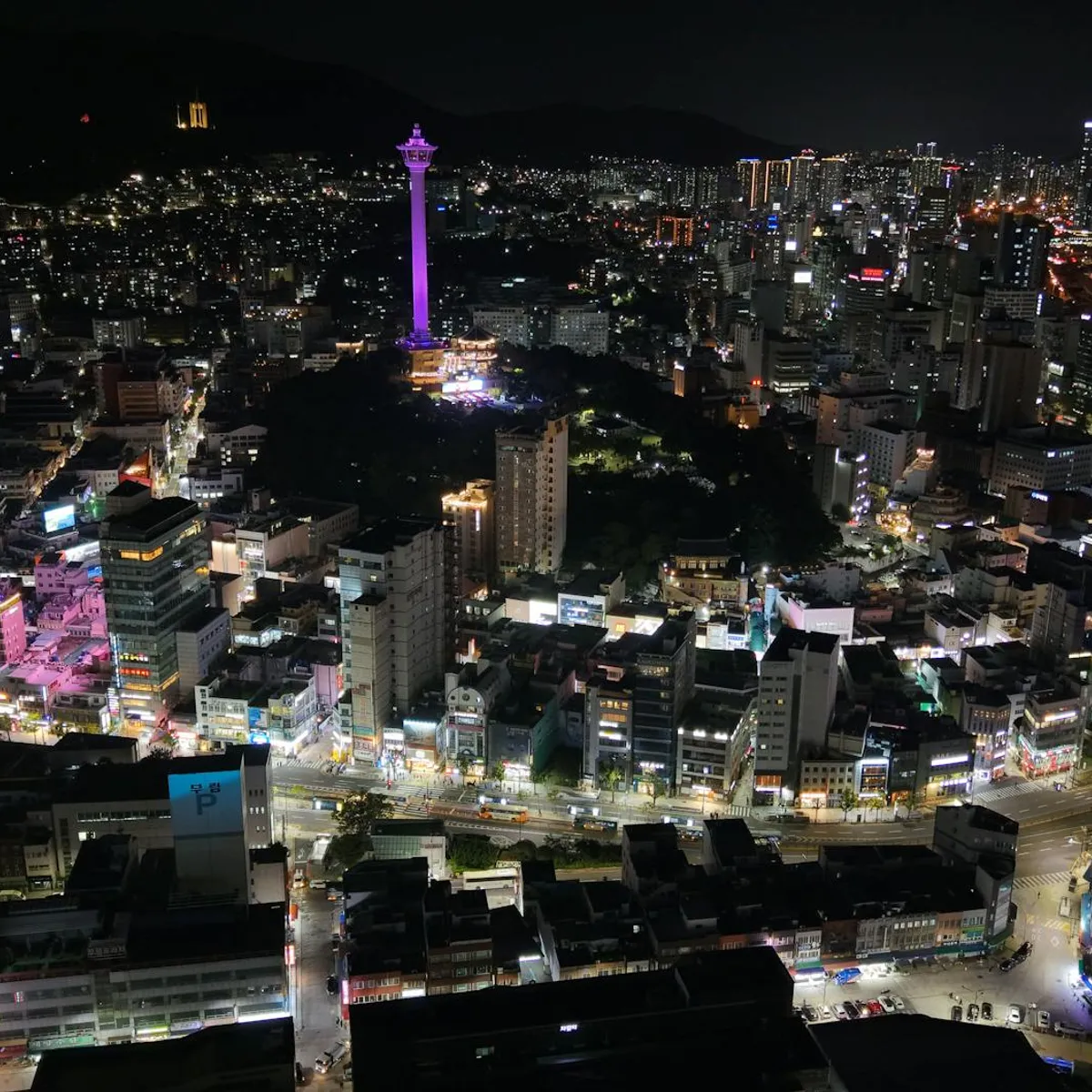
 Photo: Jhany Blue / Pexels
Jeonju
Jeonju accessibility for wheelchair users
Compare Jeonju by accessibility, transport, terrain, healthcare, cost, weather, laws, reviews, and community notes.
Jeonju accessibility scores
Compare Jeonju by accessibility, transport, terrain, healthcare, cost, weather, and laws. General stats use public data and models. Community rows reflect member reviews and votes.
General stats
National benchmarks and estimates — your experience in this city may differ.
Community
Starts from our estimate — thumbs up nudge toward Excellent, down toward Poor. Reviews use 1–5 stars.
These figures combine public statistics, models, and live weather where available. Every city is different — treat this as a guide, and share what you know in the Reviews & Corrections tab.
Profile last updated 6/30/2026.
Jeonju wheelchair accessibility guide
Research Jeonju for wheelchair users and caregivers: getting around, terrain, healthcare, costs, climate, accessible things to do, and practical caveats before booking.
Last updated 6/30/2026At a glance
Jeonju is a mid-sized Korean city with a strong cultural core, a useful transit score in the RollVenture data, and a lower cost profile than Seoul. The city is best for a wheelchair user who wants museums, food, and hanok-area atmosphere but can plan routes carefully: the DB terrain sample is mixed, with a 6.8% maximum sampled grade, 68% flat samples, and many surface records still untagged. Budget from ~$2,852/mo, including housing from ~$1,159/mo.
Getting around
The city bus network is the practical baseline, and taxis or booked accessible vehicles may be needed for late evenings, hanok-area detours, or hospital trips. RollVenture’s wheelchair-transport score is strong, but visitors should still confirm ramp/lift availability before relying on one route. Build days around fewer stops, and treat intercity rail or express-bus transfers as assistance-window tasks rather than spontaneous hops.
Terrain & mobility
Jeonju’s central areas are not uniformly steep, but the hanok district mixes historic paving, curb transitions, and crowded lanes. The pavement profile shows asphalt, sett, and paving stones, with only medium confidence. A powered chair or sturdy manual setup will be more comfortable than a travel chair, especially around older alleys, market edges, and slopes near cultural sites.
Healthcare & care
OpenStreetMap leads in the row include 행복드림내과 about 3.2 km from the centre, plus larger hospital entries farther out. Treat these as starting points, not guarantees: verify wheelchair entry, appointment language support, and whether a companion can assist with forms. For ongoing care, arrange prescriptions and personal-care coverage before arrival rather than assuming same-day English coordination.
Costs & housing
Costs are relatively moderate for Korea, but accessible housing should be checked building by building. Ask for elevator dimensions, bathroom threshold photos, shower layout, bed height, and whether the route from street to unit is step-free. Hanok-style stays are atmospheric but often less predictable for wheelchair access.
Climate & comfort
Jeonju has hot, humid summers and cold winters. Summer heat makes shaded routes and taxi backups important; winter can make stone, sett, and sloped surfaces riskier. Spring and autumn are the easiest seasons for longer outdoor days.
Accessible things to do
Jeonju Hanok Village— the official tourism site presents it as the city’s signature visitor area. Roll it selectively: main lanes are the safer target, while side alleys and traditional buildings may have thresholds.
Jeonju National Museum— a strong indoor cultural anchor; confirm lift, restroom, and loan-wheelchair details directly before visiting.
Nambu Market area— useful for food and local atmosphere, but market aisles can be crowded and uneven, so go at quieter times and keep the visit short.
Jeonjuchun riverside paths— a lower-pressure outdoor option when weather is good; check curb cuts and ramp access to the path from your exact start point.
Community & language
English is less automatic than in Seoul. Translation apps help, but medical visits, housing inspections, and transport assistance work better with written Korean confirmations. The upside is a slower pace than the capital and a compact cultural itinerary.
Would we recommend it?
Yes, with planning. Jeonju is a worthwhile cultural base for wheelchair users who can tolerate older surfaces and verify transport/housing details. It is less ideal for travelers needing fully predictable step-free access every day.
These figures combine public statistics, models, and live weather where available. Every city is different — treat this as a guide, and share what you know in the Reviews & Corrections tab.
Profile last updated 6/30/2026.