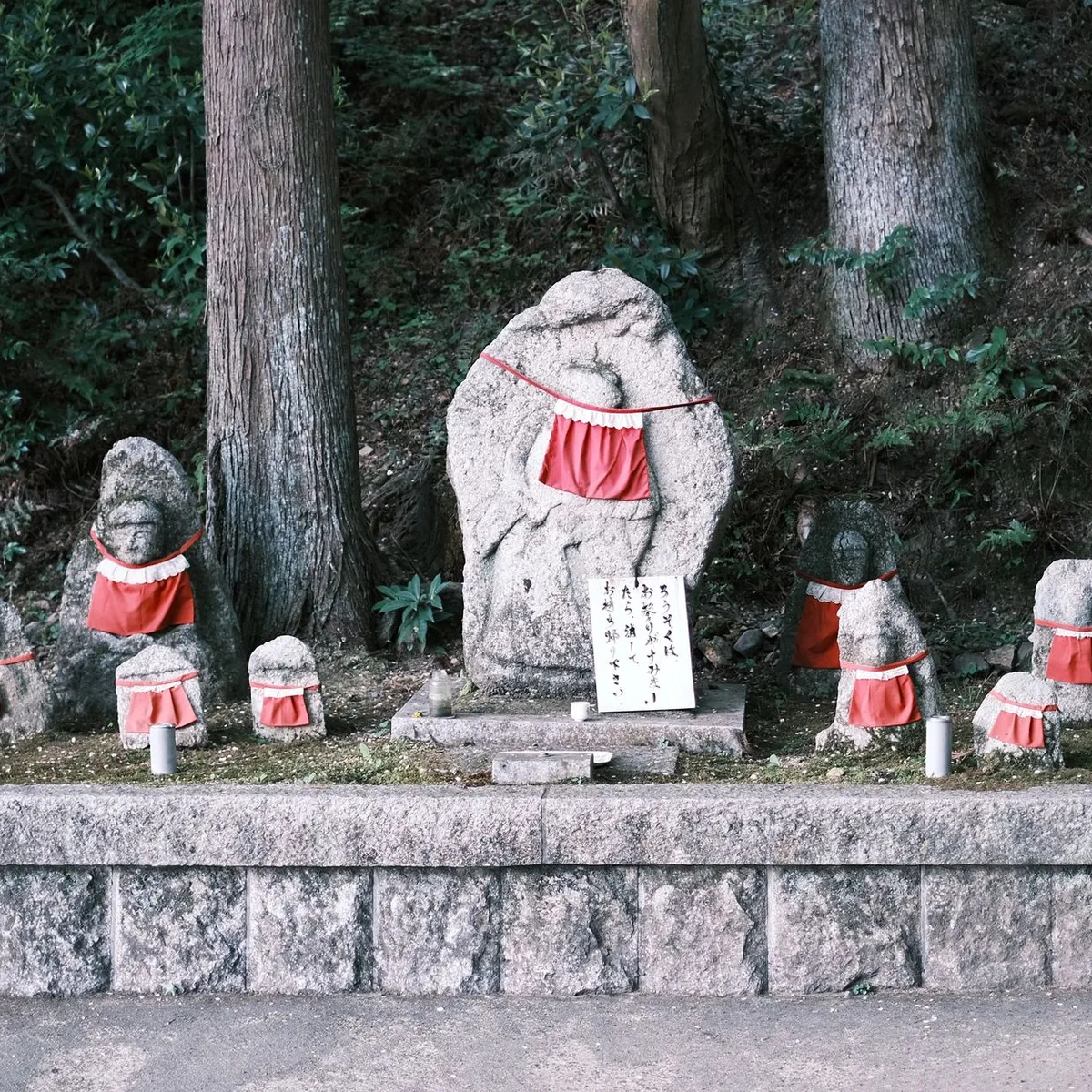
 Photo: Vinny Anugraha / Pexels
Fukuyama
Fukuyama accessibility for wheelchair users
Compare Fukuyama by accessibility, transport, terrain, healthcare, cost, weather, laws, reviews, and community notes.
Fukuyama accessibility scores
Compare Fukuyama by accessibility, transport, terrain, healthcare, cost, weather, and laws. General stats use public data and models. Community rows reflect member reviews and votes.
General stats
National benchmarks and estimates — your experience in this city may differ.
Community
Starts from our estimate — thumbs up nudge toward Excellent, down toward Poor. Reviews use 1–5 stars.
These figures combine public statistics, models, and live weather where available. Every city is different — treat this as a guide, and share what you know in the Reviews & Corrections tab.
Profile last updated 7/2/2026.
Fukuyama wheelchair accessibility guide
Research Fukuyama for wheelchair users and caregivers: getting around, terrain, healthcare, costs, climate, accessible things to do, and practical caveats before booking.
Last updated 7/2/2026At a glance
Fukuyama is a mid-sized Hiroshima Prefecture city with a useful Shinkansen/JR station, a castle-side cultural core and lower crowd pressure than Osaka or Kyoto. RollVenture's live row gives it strong safety and decent infrastructure, but the terrain and pavement scores are more cautious. Use the cost estimate as from ~$3,239/mo, with housing from ~$1,585/mo. It can work for wheelchair users who want a calmer Japanese city, but source coverage in English is thinner, so pre-trip confirmation matters.
Getting around
Fukuyama Station is the key mobility anchor. JR West's station premises page identifies Fukuyama Station and includes a barrier-free information section and station-map PDF, which is important for planning platform transfers. Local buses, taxis and side trips should be verified individually; English support may be limited. If you need reliable accessible taxi service, arrange it before arrival rather than assuming same-day availability.
Terrain & mobility
The DB terrain profile labels the city hilly, with an elevation range that can matter outside the central station/castle area. The pavement profile has low OSM tagging confidence, so do not over-trust the numeric score. The best strategy is to base near Fukuyama Station or the castle/museum area, then use short tested routes. Historic streets, temple approaches and waterfront side trips may include slopes, uneven paving or narrow paths.
Healthcare & care
The DB healthcare profile lists Central Hospital and Seno Hospital close to the city centre as OSM-derived leads, plus other hospitals in the wider area. Verify departments, language support, entrances and taxi access before relying on any facility. For longer stays, bring translated medical summaries and confirm pharmacy routines.
Costs & housing
The live estimate is from ~$3,239/mo. Accessible housing in Japan can be difficult because step-free entrances, bathroom turning space and elevator size vary sharply by building age. Ask for exact measurements, entrance photos, bathroom photos and confirmation of no internal step between entry, sleeping area and toilet/bath.
Climate & comfort
Fukuyama has hot, humid summers and cooler winters. Summer heat and rain can reduce outdoor range, while typhoon-season disruptions can affect trains and buses. Spring and autumn are usually more comfortable for mobility-heavy visits.
Accessible things to do
Fukuyama Station area— JR West publishes station premises and barrier-free information for Fukuyama Station; use it as the safest orientation point and confirm elevator routes on the current map.
Fukuyama Castle Museum— The official castle museum site includes a barrier-free guidance section in its visitor information menu; confirm lift/route details before visiting because castle sites can have level changes.
Fukuyama Museum of Art— The city museum site is official and close to the station/castle area; verify elevator, toilet and exhibition-floor access before arrival.
Tomonoura— The official Visit Tomonoura site confirms the historic port area as a major destination, but wheelchair users should treat it as a cautious outing because old streets and waterfront surfaces may be uneven.
Community & language
Japanese is the working language. Tourist sites may have limited English, and medical/care arrangements are much easier with a Japanese speaker. Social norms are orderly and helpful, but asking detailed access questions in advance is important.
Would we recommend it?
Conditionally. Fukuyama is calmer and safer than many larger Japanese cities, with a useful station anchor, but the hilly profile, lower pavement-confidence data and thinner English accessibility information mean it suits prepared travellers more than spontaneous first-time wheelchair visitors.
These figures combine public statistics, models, and live weather where available. Every city is different — treat this as a guide, and share what you know in the Reviews & Corrections tab.
Profile last updated 7/2/2026.