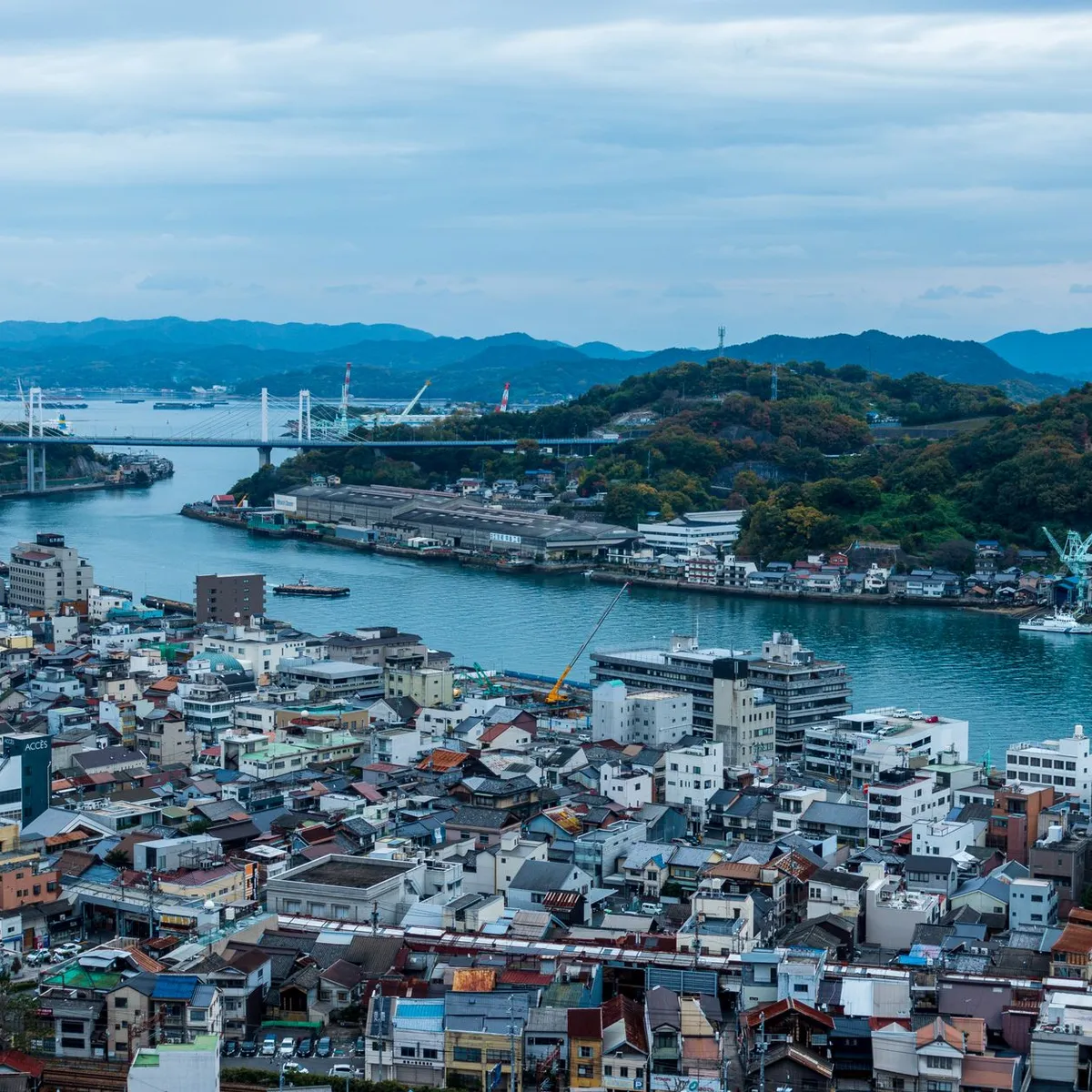
 Photo: Jan Bouken / Pexels
Takamatsu
Takamatsu accessibility for wheelchair users
Compare Takamatsu by accessibility, transport, terrain, healthcare, cost, weather, laws, reviews, and community notes.
Takamatsu accessibility scores
Compare Takamatsu by accessibility, transport, terrain, healthcare, cost, weather, and laws. General stats use public data and models. Community rows reflect member reviews and votes.
General stats
National benchmarks and estimates — your experience in this city may differ.
Community
Starts from our estimate — thumbs up nudge toward Excellent, down toward Poor. Reviews use 1–5 stars.
These figures combine public statistics, models, and live weather where available. Every city is different — treat this as a guide, and share what you know in the Reviews & Corrections tab.
Profile last updated 7/6/2026.
Takamatsu wheelchair accessibility guide
Research Takamatsu for wheelchair users and caregivers: getting around, terrain, healthcare, costs, climate, accessible things to do, and practical caveats before booking.
Last updated 7/6/2026At a glance
Takamatsu is a practical Shikoku base for wheelchair users who want a smaller Japanese city with rail, ferries, gardens, and hospitals close to the center. RollVenture’s stored profile scores it well for infrastructure and wheelchair transport, but the terrain profile is hilly and the pavement sample has low confidence, so this is not a city to treat as uniformly step-free. Budget from ~$3,012/mo, including housing from ~$1,454/mo. The best fit is an independent traveler who can plan station-to-hotel routes carefully, avoid steep side trips, and confirm access before visiting older gardens, castle remains, or ferries.
Getting around
JR Takamatsu Station and the port area give the city a clear arrival point, and Kotoden rail can be useful for local trips. Treat rail accessibility as station-specific: check elevator locations, staff assistance windows, platform gaps, and whether the exact Kotoden stop you need is barrier-free. Taxis are useful for hilly or rainy segments, but wheelchair-accessible vehicles should be booked ahead rather than assumed. Ferries to islands can be attractive but require extra confirmation about ramps, vessel boarding, and tide-related gangway angles.
Terrain & mobility
The database terrain sample flags Takamatsu as hilly, with an estimated max grade around 6.9% and a wide elevation range. The central waterfront and main station area are the easiest zones; garden paths, castle-stone areas, and inland neighborhoods can add slopes, gravel, cobbles, and narrow curb cuts. Pavement data is low-confidence and mostly untagged, so use it as a warning to verify routes rather than as a guarantee.
Healthcare & care
The local profile lists several nearby medical leads, including Takamatsu Red Cross Hospital and rehabilitation-related hospitals, but those entries come from OpenStreetMap and should be verified directly. For a longer stay, ask accommodation providers about step-free room access, bathroom dimensions, nearby pharmacies, and whether care agencies can support transfers or personal-care routines in English.
Costs & housing
Takamatsu is not cheap in this dataset, but it is generally less intense than Tokyo or Osaka for daily logistics. Housing is listed from ~$1,454/mo, transport from ~$244/mo, medical from ~$129/mo, and home aid from ~$629/mo. The key housing filter is not price alone: insist on elevator access, door widths, shower type, and a route from station or bus stop that avoids steep ramps.
Climate & comfort
Summers are hot and humid, while rainy-season showers and typhoons can make curb cuts, tactile paving, and ferry boarding more difficult. Winter is milder than northern Japan, but wind around the port can matter for manual-chair users. Plan outdoor sightseeing early or late in summer.
Accessible things to do
Ritsurin Garden— A major landscaped garden and Takamatsu’s headline sight. It is mostly an outdoor path experience, so confirm current barrier-free route maps, toilets, and whether gravel or bridges match your chair.
Takamatsu Castle / Tamamo Park— Convenient near the station and port, with historic stonework and waterside areas. Expect uneven surfaces in places and verify step-free entry before going.
Takamatsu Symbol Tower and Sunport area— A modern waterfront zone that is generally easier to route than older streets, useful for food, views, and weather-protected breaks.
Takamatsu Port ferries— Good for island trips if the operator confirms boarding support, ramp availability, and accessible toilets on the exact vessel.
Community & language
English is less common than in Tokyo, so save Japanese access phrases and screenshots of destination names. Staff are often helpful, but spontaneous problem-solving is harder if you arrive without a route plan.
Would we recommend it?
Yes, with planning. Takamatsu can work for confident wheelchair users who want a slower Japanese city, but it is not a carefree accessibility choice. Confirm station access, garden paths, ferry boarding, and hotel bathrooms before committing.
These figures combine public statistics, models, and live weather where available. Every city is different — treat this as a guide, and share what you know in the Reviews & Corrections tab.
Profile last updated 7/6/2026.