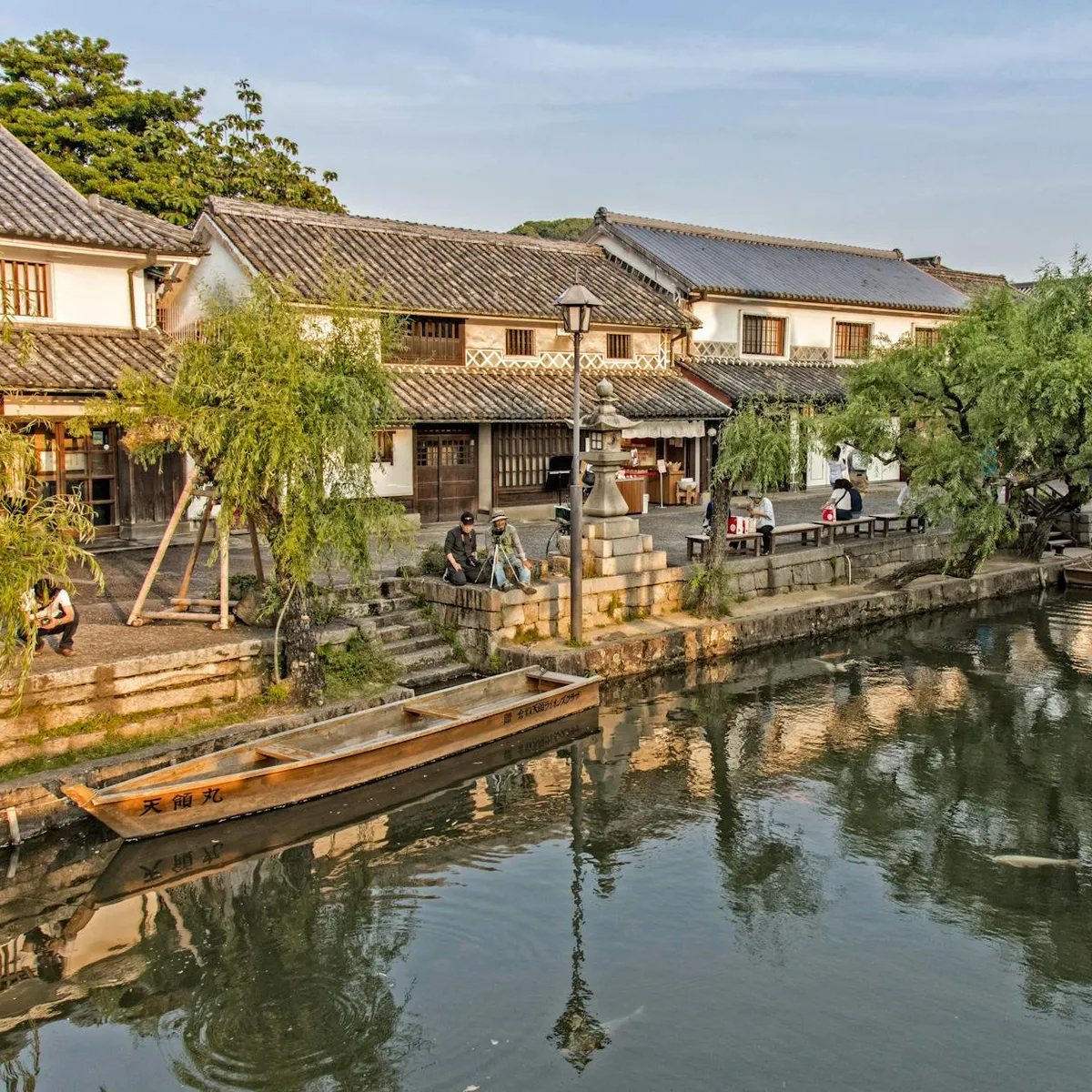
 Photo: Arnie Papp / Pexels
Okayama
Okayama accessibility for wheelchair users
Compare Okayama by accessibility, transport, terrain, healthcare, cost, weather, laws, reviews, and community notes.
Okayama accessibility scores
Compare Okayama by accessibility, transport, terrain, healthcare, cost, weather, and laws. General stats use public data and models. Community rows reflect member reviews and votes.
General stats
National benchmarks and estimates — your experience in this city may differ.
Community
Starts from our estimate — thumbs up nudge toward Excellent, down toward Poor. Reviews use 1–5 stars.
These figures combine public statistics, models, and live weather where available. Every city is different — treat this as a guide, and share what you know in the Reviews & Corrections tab.
Profile last updated 6/30/2026.
Okayama wheelchair accessibility guide
Research Okayama for wheelchair users and caregivers: getting around, terrain, healthcare, costs, climate, accessible things to do, and practical caveats before booking.
Last updated 6/30/2026At a glance
Okayama is a practical western Honshu base with a major rail station, the famous Korakuen garden, castle-area sightseeing, and access to Kurashiki and the Seto Inland Sea. RollVenture’s live row scores it well for transport and infrastructure, and the pavement profile has higher confidence than many Japanese rows. It is still an older city with garden paths, castle approaches, tram/bus details, and summer heat that require planning. DB cost data starts around ~$3,276/mo.
Getting around
Okayama Station should be the anchor for most wheelchair users: Shinkansen, local rail, buses, hotels, department stores, and taxis are concentrated there. The tram can be convenient for the castle and Korakuen area, but vehicle type and boarding details should be checked in advance. For daily life, choose housing with a step-free route to the station or a reliable bus corridor.
Terrain & mobility
The sampled terrain is mostly flat in the central grid, even though the profile labels the wider area hilly. That makes Okayama easier than many castle or mountain cities for day-to-day rolling. Watch for garden gravel, curb cuts around older crossings, rain drainage channels, and long exposed walks in summer.
Healthcare & care
The live DB healthcare profile lists multiple hospital leads from OpenStreetMap within the city region, including facilities a few kilometers from the center. Treat these as starting points only: verify accessible entrances, appointment systems, translation support, and whether outpatient care fits your needs. For longer stays, arrange personal assistance and medication continuity before arrival.
Costs & housing
Use the DB estimate from ~$3,276/mo, with housing around ~$1,662/mo. Okayama may offer better space-for-money than bigger Kansai or Tokyo-area cities, but accessible apartments still need careful inspection for elevator size, bathroom turning radius, doorway widths, and step-free trash/bicycle areas.
Climate & comfort
Okayama is known for comparatively sunny weather, but summers are hot and humid. Heat management matters for wheelchair users waiting at stops or crossing wide roads. Spring and autumn are more comfortable for testing the city.
Accessible things to do
Okayama Korakuen Garden— Official Okayama tourism presents Korakuen as a signature sight. It is a landscaped historic garden, so expect some gravel, bridges, and uneven sections; ask about recommended wheelchair routes and restrooms before visiting.
Okayama Castle area— The castle area pairs naturally with Korakuen and central transport. Verify elevator/interior access if the tower is a goal; the surrounding riverside and exterior views can still make a manageable outing.
Kibitsu Shrine— Official tourism commonly features Kibitsu Shrine. It is culturally important but shrine grounds can include steps, slopes, and gravel, so use it only with current route checks and a backup plan.
Okayama Orient Museum / central museums— Indoor museums near the center are useful bad-weather options. Confirm elevator, accessible toilet, and entrance details before relying on them as primary wheelchair-friendly stops.
Community & language
English is present in tourism contexts but less reliable in clinics, rentals, and care agencies. Prepare Japanese accessibility phrases and map pins.
Would we recommend it?
Yes for a cautious trial. Okayama’s rail hub, flatter central terrain, and manageable size are positives; the main risks are older sightseeing surfaces, summer heat, and confirming accessible housing.
These figures combine public statistics, models, and live weather where available. Every city is different — treat this as a guide, and share what you know in the Reviews & Corrections tab.
Profile last updated 6/30/2026.