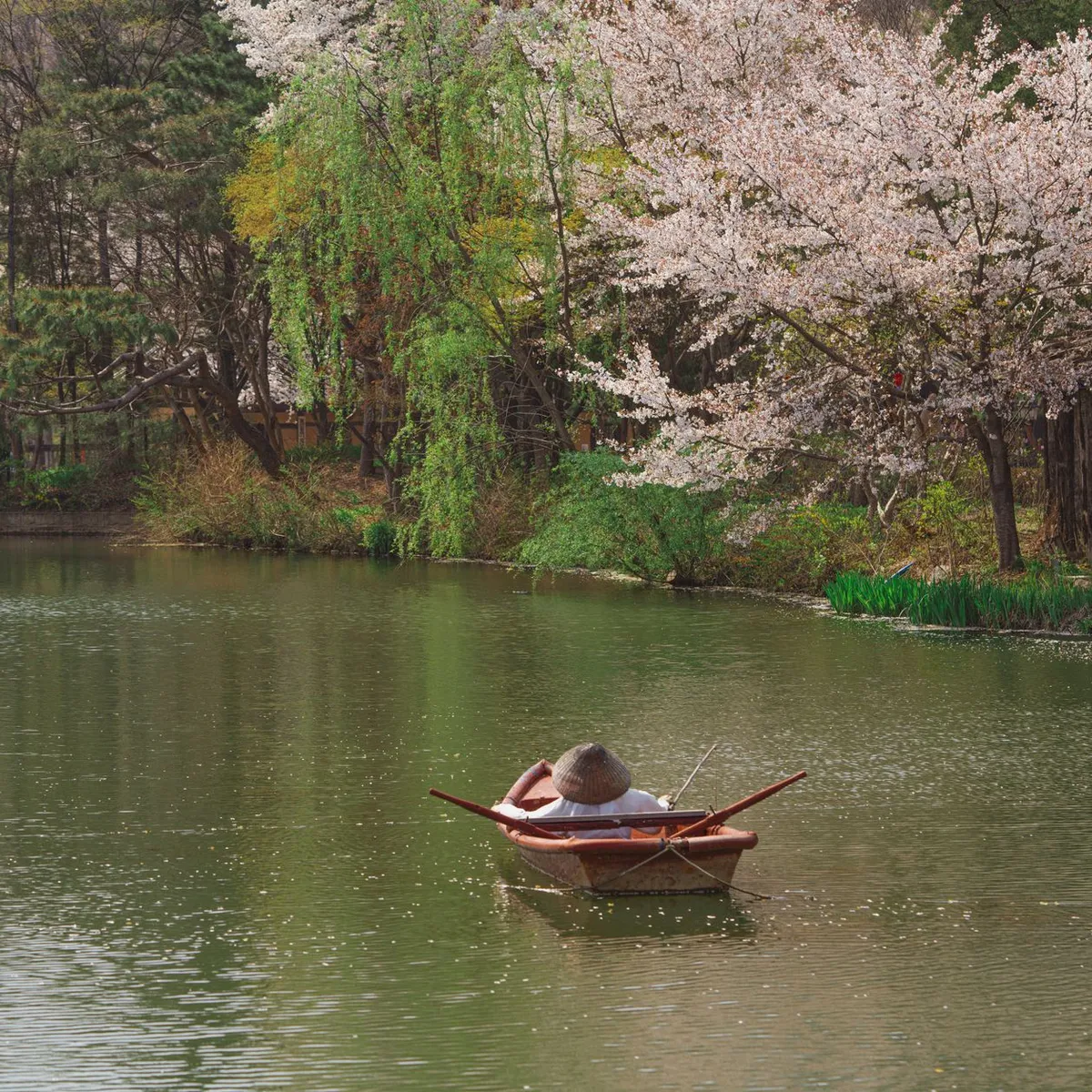
 Photo: KOREAN JH / Pexels
Bucheon-si
Bucheon-si accessibility for wheelchair users
Compare Bucheon-si by accessibility, transport, terrain, healthcare, cost, weather, laws, reviews, and community notes.
Bucheon-si accessibility scores
Compare Bucheon-si by accessibility, transport, terrain, healthcare, cost, weather, and laws. General stats use public data and models. Community rows reflect member reviews and votes.
General stats
National benchmarks and estimates — your experience in this city may differ.
Community
Starts from our estimate — thumbs up nudge toward Excellent, down toward Poor. Reviews use 1–5 stars.
These figures combine public statistics, models, and live weather where available. Every city is different — treat this as a guide, and share what you know in the Reviews & Corrections tab.
Profile last updated 6/30/2026.
Bucheon-si wheelchair accessibility guide
Research Bucheon-si for wheelchair users and caregivers: getting around, terrain, healthcare, costs, climate, accessible things to do, and practical caveats before booking.
Last updated 6/30/2026At a glance
Bucheon-si is a dense satellite city between Seoul and Incheon, so it works best for wheelchair users who want Seoul-area infrastructure without staying in the capital itself. The live city row shows strong transport/infrastructure scores, gently rolling terrain, and an estimated living cost from ~$2,883/mo. Treat that cost as a planning baseline rather than a booking quote. Accessibility should be checked at the building level: sidewalks and stations can be good on main corridors, while small restaurants, older commercial blocks, and basement/second-floor venues may still be difficult.
Getting around
Bucheon is tied into the Seoul metropolitan rail and bus network, which is the main advantage here. Seoul-area subway operators publish station accessibility information and many stations have elevators, but elevator outages and long transfer paths can change a trip dramatically. Plan routes around confirmed elevator entrances, avoid peak commuting hours if possible, and keep a taxi fallback for late nights or rain. Low-floor buses exist in the region, but curb alignment and crowding vary.
Terrain & mobility
The database terrain sample labels Bucheon gently rolling, with a low sampled grade and modest elevation range. That matches the practical feel of many planned Seoul-suburb districts: manageable on main roads, more variable in older side streets. OSM pavement data for this row is low-confidence, so use it as a warning rather than proof. Expect asphalt and paving-stone sections, frequent curb cuts on newer roads, and occasional uneven utility covers or steep driveway lips.
Healthcare & care
The stored healthcare leads are mostly Seoul/Incheon-area hospitals and clinics within a wider radius, not confirmed wheelchair-accessible care providers in central Bucheon. Use them as starting points only, and verify step-free entry, appointment language support, wheelchair seating space, and whether a companion can assist inside. For ongoing personal care, budget time to arrange Korean-language help and confirm whether home visits are available before relocating.
Costs & housing
The row estimates monthly living from ~$2,883/mo, housing around ~$1,191/mo, transport around ~$262/mo, medical around ~$142/mo, PT around ~$99/mo, and home aid around ~$688/mo. Accessible housing is the key uncertainty. Newer apartment towers are more likely to have elevators and level lobbies, but bathrooms, door widths, balcony thresholds, and parking-to-lift routes must be checked by video or in person.
Climate & comfort
Bucheon has hot, humid summers, a monsoon period, and cold winters that can bring icy curb ramps. Summer heat and winter wind matter for manual-chair users because distances inside large stations and shopping complexes can be long. Build extra time into transfers and choose accommodation close to a confirmed elevator entrance, not just close to a station name on the map.
Accessible things to do
Korea Manhwa Museum— A strong indoor lead for comics and animation; verify current elevator, restroom, and route details before visiting.
Bucheon Art Bunker B39— A major cultural venue in a converted industrial site; check the official visitor information for event-by-event seating and step-free routes.
Bucheon Central Park / Sangdong Lake Park area— Outdoor park routes are generally better candidates than small old-town lanes, but confirm surface conditions after rain.
Woongjin Play City area— A family-entertainment district with large-building infrastructure; call ahead for wheelchair changing, pool, or attraction-specific access.
Community & language
English is less reliable than in central Seoul tourist districts. Younger staff may help with translation apps, but medical, housing, and care arrangements are easier with Korean-speaking support. The upside is proximity: Seoul, Incheon, and Gimpo airport services are close enough for broader community and specialist options.
Would we recommend it?
Yes, cautiously, for wheelchair users who want Seoul-region access and can pre-check housing and station elevators. It is less ideal for a first Korea stay without local support, because the accessibility picture is very route-specific.
These figures combine public statistics, models, and live weather where available. Every city is different — treat this as a guide, and share what you know in the Reviews & Corrections tab.
Profile last updated 6/30/2026.