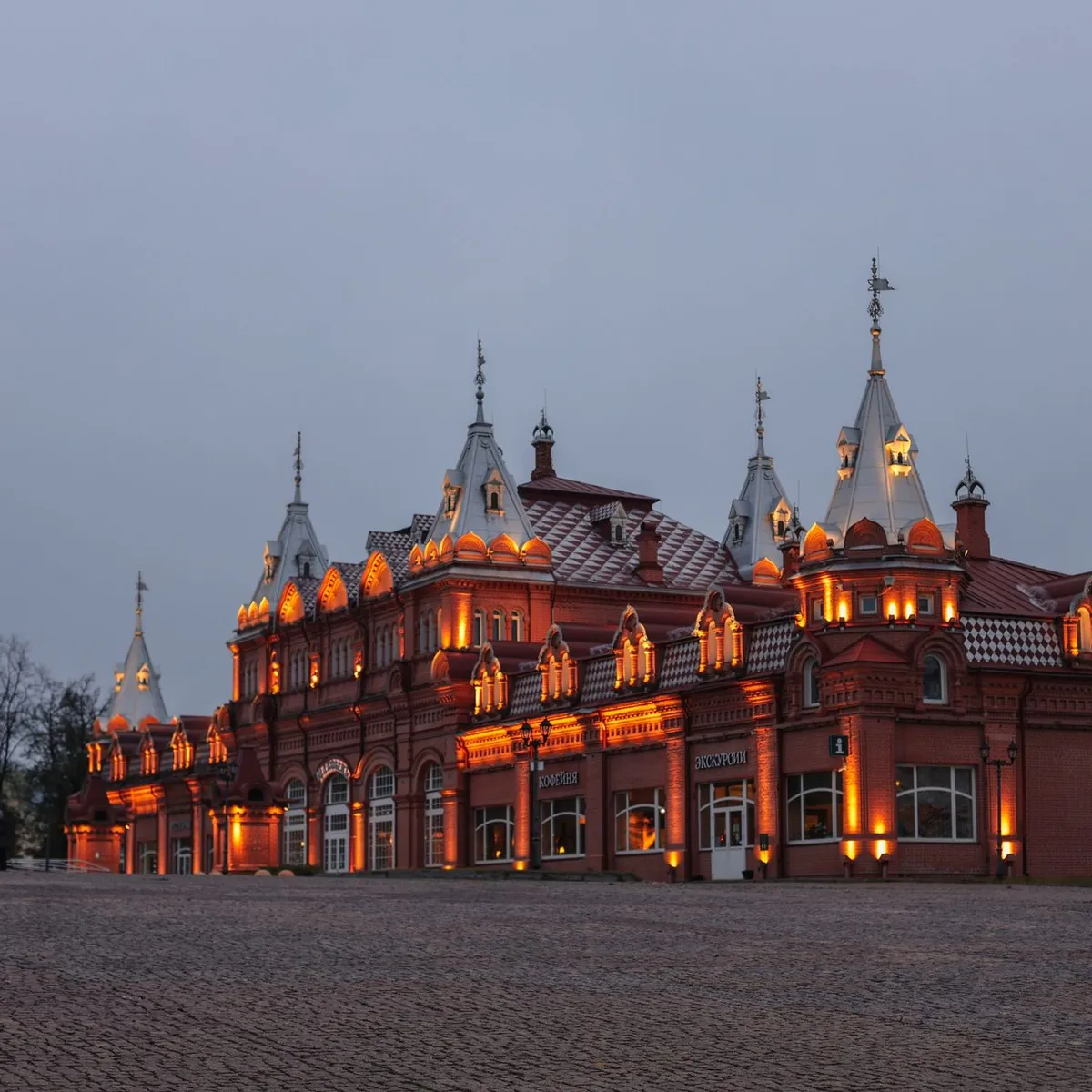
 Photo: Olga Petrova / Pexels
Vologda
Vologda accessibility for wheelchair users
Compare Vologda by accessibility, transport, terrain, healthcare, cost, weather, laws, reviews, and community notes.
Vologda accessibility scores
Compare Vologda by accessibility, transport, terrain, healthcare, cost, weather, and laws. General stats use public data and models. Community rows reflect member reviews and votes.
General stats
National benchmarks and estimates — your experience in this city may differ.
Community
Starts from our estimate — thumbs up nudge toward Excellent, down toward Poor. Reviews use 1–5 stars.
These figures combine public statistics, models, and live weather where available. Every city is different — treat this as a guide, and share what you know in the Reviews & Corrections tab.
Profile last updated 7/1/2026.
Vologda wheelchair accessibility guide
Research Vologda for wheelchair users and caregivers: getting around, terrain, healthcare, costs, climate, accessible things to do, and practical caveats before booking.
Last updated 7/1/2026At a glance
Vologda is a historic northwestern Russian city with a compact center, rail links, museums, and better pavement data than many same-score cities, but accessibility information is still thin. RollVenture’s live row scores it 52 overall, accessibility 43, wheelchair transport 52, pavement 68, and ramp availability 40. That makes it potentially workable for a prepared wheelchair user who can arrange housing, transport, and Russian-language calls in advance. Budget from ~$2,581/mo, with housing from ~$1,335/mo.
Getting around
Wikivoyage documents Vologda’s rail station, bus links, and central sights. It does not confirm accessible buses, station elevators, or step-free museum routes. For most visitors, the practical setup is a central hotel or apartment, pre-booked taxi/private car, and short daylight routes around the Kremlin area. If you plan to use trains, confirm platform access and boarding assistance through the railway operator well before travel.
Terrain & mobility
The DB terrain profile labels Vologda gently rolling, with max sampled grade around 1.5% and a 103 m elevation range. Pavement confidence is high, with asphalt present but also untagged, ground, and compacted surfaces. The historic center can include older curbs, narrow approaches, snowbanks, and uneven surfaces around churches or museum grounds. In summer, a power chair may handle many central routes; in winter, ice and snow clearance are the decisive barriers.
Healthcare & care
The OSM healthcare profile lists several hospital leads: Военный госпиталь, Госпиталь ветеранов войн, Вологодская городская поликлиника № 2, Станция переливания крови №1, and Центр гигиены и эпидемиологии в Вологодской области. These are leads only. Before staying, confirm which facility accepts foreign visitors, whether entry and toilets are accessible, and how prescriptions, catheter supplies, pressure-care needs, or urgent imaging would be handled. Russian-language support is strongly recommended.
Costs & housing
Estimated monthly living cost is from ~$2,581/mo and housing from ~$1,335/mo. A Soviet-era or historic building may have steps even when the apartment interior looks usable. Request video of the entrance from street to bed, elevator dimensions, bathroom threshold, winter snow-clearing arrangements, and nearby grocery access. Heating reliability is crucial for winter stays.
Climate & comfort
Vologda’s long cold season is the largest comfort issue. Snow, freeze-thaw, and icy curb ramps can make otherwise manageable routes unusable. Summer and early autumn are much more realistic for independent rolling. Pack gloves suitable for rims or joystick use, and plan indoor warm-up points.
Accessible things to do
Vologda Kremlin— Wikivoyage lists the Kremlin as a key sight. Treat grounds and entrances as historic surfaces; confirm step-free museum access.
Saint Sophia Cathedral— Wikivoyage lists it next to the Kremlin and notes its museum role and frescoes. Call ahead because old religious buildings often have thresholds or stairs.
Vologda Lace Museum— a well-known city museum near the Kremlin area; verify elevator, entrance, and accessible toilet details before visiting.
Kremlin-area riverfront/central streets— use as a short fair-weather roll when pavements are clear; avoid icy periods and unscouted side streets.
Spaso-Prilutsky Monastery— a major nearby heritage site; go only with private transport and prior access confirmation because monastery grounds may include gravel or steps.
Community & language
Russian is essential for transport, healthcare, and access checks. Formal accessibility information is limited, so phone verification and local help matter. Cultural sites may be welcoming but physically old.
Would we recommend it?
Yes, cautiously, in snow-free months for travelers comfortable with Russian-language planning and private transport. Winter independence is much harder.
These figures combine public statistics, models, and live weather where available. Every city is different — treat this as a guide, and share what you know in the Reviews & Corrections tab.
Profile last updated 7/1/2026.
Reviews & corrections
Share your experience or suggest a data correction. Both appear publicly; admin updates official city scores and costs separately.
Log in to write a review or suggest a correction.
No reviews or corrections yet.