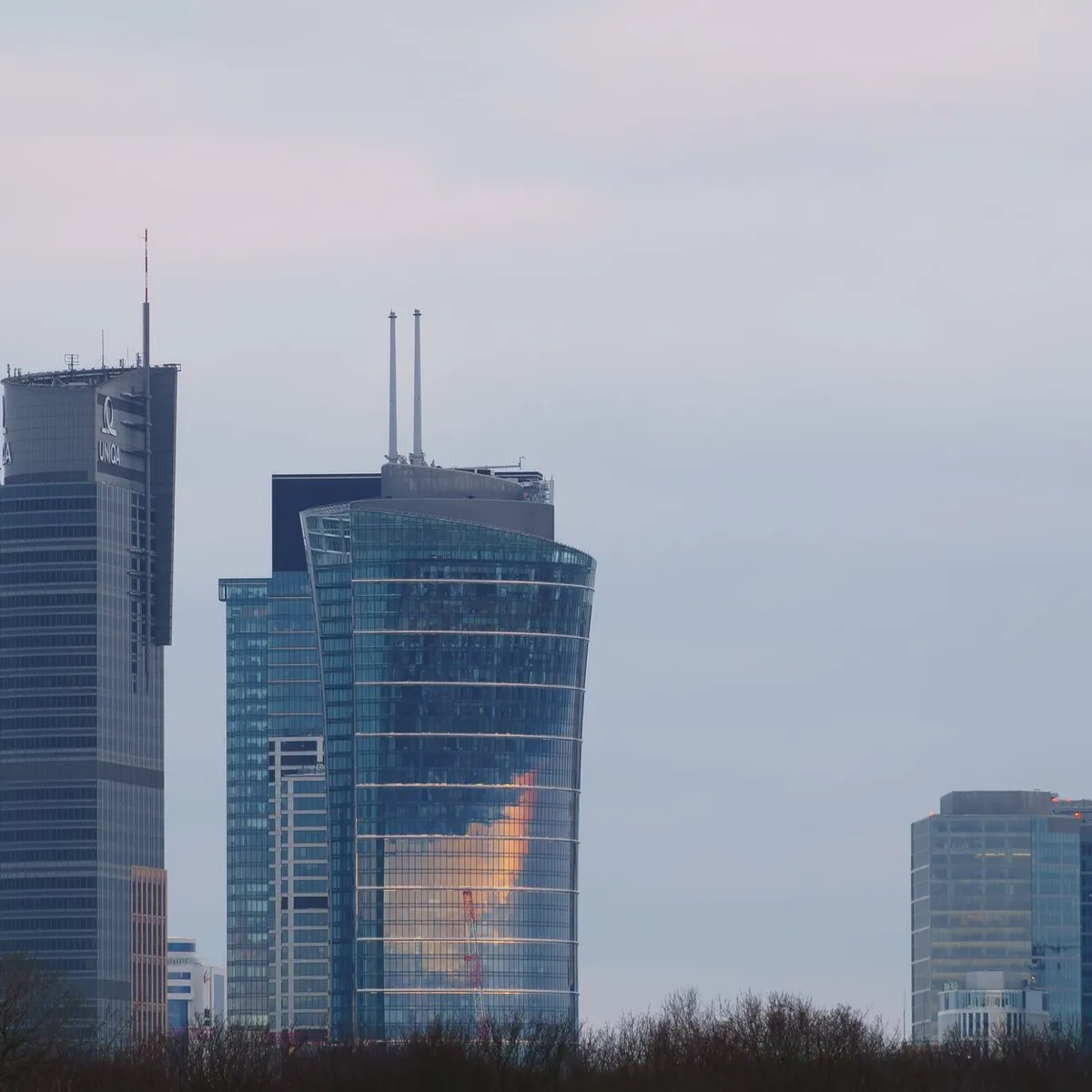
 Photo: Aleksander Dumała / Pexels
Warsaw
Warsaw accessibility for wheelchair users
Compare Warsaw by accessibility, transport, terrain, healthcare, cost, weather, laws, reviews, and community notes.
Warsaw accessibility scores
Compare Warsaw by accessibility, transport, terrain, healthcare, cost, weather, and laws. General stats use public data and models. Community rows reflect member reviews and votes.
General stats
National benchmarks and estimates — your experience in this city may differ.
Community
Starts from our estimate — thumbs up nudge toward Excellent, down toward Poor. Reviews use 1–5 stars.
These figures combine public statistics, models, and live weather where available. Every city is different — treat this as a guide, and share what you know in the Reviews & Corrections tab.
Profile last updated 6/30/2026.
Warsaw wheelchair accessibility guide
Research Warsaw for wheelchair users and caregivers: getting around, terrain, healthcare, costs, climate, accessible things to do, and practical caveats before booking.
Last updated 6/30/2026At a glance
Warsaw is a practical, mostly flat capital with strong sidewalks in many central districts and a public-transport network that is usable but still needs route-by-route checking. RollVenture’s live row shows a 71 overall score, 67 accessibility score, and costs from ~$2,698/mo, with housing from ~$1,290/mo. The city is better for wheelchair users who can plan around station elevators, winter snow, and uneven historic paving than for someone expecting step-free spontaneity everywhere.
Getting around
Warsaw has buses, trams, metro, and rail links. Treat accessibility as improving but not universal: newer low-floor vehicles and metro stations help, while older tram stops, maintenance outages, and curb approaches can still break a trip. Use official Warsaw Public Transport/ZTM journey information before each ride, and leave time for elevators or platform changes. Taxis and app cars are useful backups, but wheelchair-adapted vehicles should be booked ahead rather than assumed.
Terrain & mobility
The city profile is favorable: mostly flat terrain, a live max sampled grade around 1.2%, and high-confidence OSM pavement data with asphalt, paving stones, and some setts. The practical barrier is not hills; it is surface transitions. The Old Town, historic squares, tram crossings, and winter gritting can make short routes tiring. Central business and museum areas tend to be easier than older residential streets.
Healthcare & care
The live healthcare profile lists central leads including Szpital Kliniczny Dzieciątka Jezus, CePeLek, and nearby public clinics from OpenStreetMap. Use those as starting points, not guarantees: confirm language support, referral rules, building access, and whether the relevant department can handle mobility equipment. For a longer stay, arrange a GP/private clinic relationship and home-care provider before arrival.
Costs & housing
Costs are moderate for a European capital: from ~$2,698/mo overall, housing from ~$1,290/mo, transport from ~$217/mo, medical from ~$136/mo, and home aid from ~$545/mo in the database. Accessible apartments exist but should be verified with elevator dimensions, threshold photos, bathroom turning space, and winter entrance maintenance.
Climate & comfort
Warsaw has cold winters, warm summers, and shoulder-season rain. Snow, slush, and freeze-thaw damage matter more than slope. Summer heat is usually manageable, but air-conditioning varies in older rentals and trams.
Accessible things to do
POLIN Museum of the History of Polish Jews— A modern museum frequently noted for accessible visitor infrastructure; verify current lift and exhibition-route details before booking.
Warsaw Rising Museum— A major indoor museum with visitor-access information; plan extra time because crowds and exhibition darkness can complicate navigation.
Royal Łazienki Park— Good for level outdoor time on main paths, but surfaces vary, so choose routes carefully after rain or snow.
Copernicus Science Centre— A modern family/science venue with lifts and accessible facilities listed by visitor information; book ahead for busy periods.
Community & language
Polish is the daily language, but English is common in tourism, universities, private healthcare, and younger service staff. Disability rights and accessibility information are present but often fragmented across Polish-language pages.
Would we recommend it?
Yes, with planning. Warsaw is affordable for a capital, flat, and rich in culture, but wheelchair users should verify elevators, winter routing, and apartment access before committing.
These figures combine public statistics, models, and live weather where available. Every city is different — treat this as a guide, and share what you know in the Reviews & Corrections tab.
Profile last updated 6/30/2026.