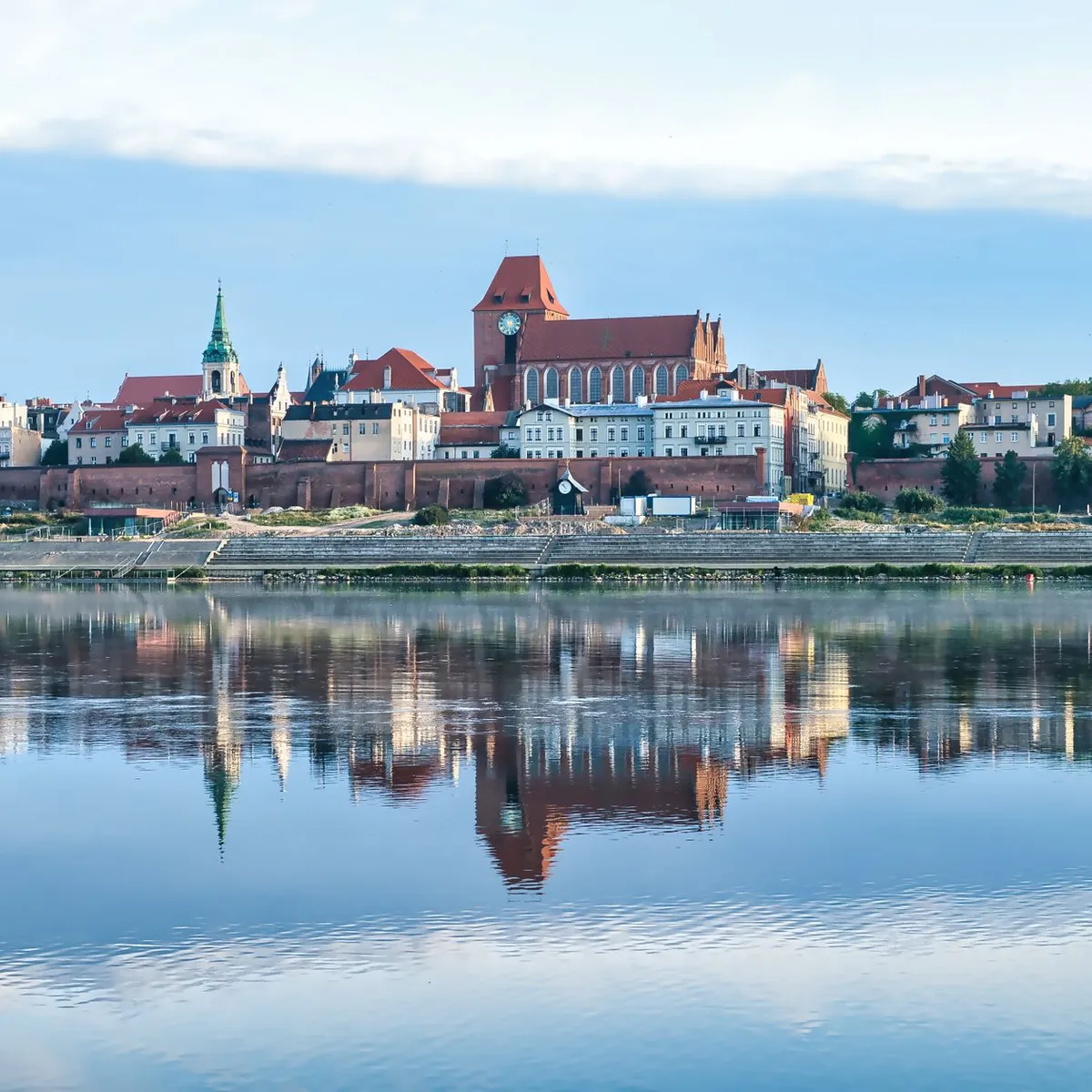
 Photo: Krzysztof Jaworski-Fotografia / Pexels
Ursynów
Ursynów accessibility for wheelchair users
Compare Ursynów by accessibility, transport, terrain, healthcare, cost, weather, laws, reviews, and community notes.
Ursynów accessibility scores
Compare Ursynów by accessibility, transport, terrain, healthcare, cost, weather, and laws. General stats use public data and models. Community rows reflect member reviews and votes.
General stats
National benchmarks and estimates — your experience in this city may differ.
Community
Starts from our estimate — thumbs up nudge toward Excellent, down toward Poor. Reviews use 1–5 stars.
These figures combine public statistics, models, and live weather where available. Every city is different — treat this as a guide, and share what you know in the Reviews & Corrections tab.
Profile last updated 6/30/2026.
Ursynów wheelchair accessibility guide
Research Ursynów for wheelchair users and caregivers: getting around, terrain, healthcare, costs, climate, accessible things to do, and practical caveats before booking.
Last updated 6/30/2026At a glance
Ursynów is one of the more practical Warsaw district choices for a wheelchair user who wants residential calm, access to the metro corridor, and quick trips into central Warsaw. It is not an old-town sightseeing district, which is a strength: the DB row shows mostly flat terrain, high-confidence pavement data, and from ~$2,193/mo estimated living costs. Accessibility is mixed rather than perfect, with an accessibility score of 61, but the basics are better documented than in many smaller cities.
Use Ursynów as a Warsaw base, not as a self-contained tourist destination. Its value is the combination of housing, parks, clinics, and rail/metro links, with bigger museums and services reachable by planned rides.
Getting around
The Warsaw metro line through Ursynów is the mobility backbone. Before relying on any step-free trip, check current elevator status and station works, because an accessible-looking route can fail if a lift is out. Buses and trams in Warsaw often serve low-floor vehicles, but curb height, crowding, snow, and stop construction can still change the experience. Taxis or adapted transport are useful backups for medical appointments and winter days.
Terrain & mobility
DB terrain sampling is encouraging: mostly flat, 1% max sampled grade, and only 54 m elevation range. Pavement data is high confidence, with 63% good surfaces and asphalt/paving-stone routes common, but 7% poor surfaces means short rough sections still matter. Kabaty-side green areas and older pedestrian links may have dirt or uneven paths, so choose paved entrances and avoid assuming every park track is rollable.
Healthcare & care
OpenStreetMap leads show NZOZ Szpital Mazovia about 0.9 km from the mapped center and several private clinics within a few kilometers, including Carolina Medical Center farther north. Treat these as leads, not guarantees of wheelchair access or English-language care. For longer stays, confirm specialist appointments and home-care availability before signing housing.
Costs & housing
The row estimates living from ~$2,193/mo, housing from ~$792/mo, food from ~$413/mo, transport from ~$216/mo, medical from ~$135/mo, PT from ~$95/mo, and home aid from ~$542/mo. These are DB planning numbers, not quotes. Modern apartment blocks near metro stations are the safest starting point, but still ask for lift size, no-threshold shower proof, building entrance photos, and winter snow-clearing responsibility.
Climate & comfort
Warsaw winters can make an otherwise flat district much harder: snow piles narrow curb cuts and icy paving stones increase transfer risk. Summers are generally easier, with shade in parks but hot spells on wide streets. Choose housing close to groceries and a metro station so bad-weather trips can be shortened.
Accessible things to do
Kabaty Forest— A major local green-space anchor; use paved or firm main approaches and avoid sandy side paths after rain.
Łazienki Królewskie— The museum publishes guidance for wheelchair users and asks visitors with mobility needs to give advance notice for the best service. It is outside Ursynów but reachable as a planned Warsaw outing.
Wilanów Palace area— A useful southern-Warsaw cultural day trip; verify current accessible entrances and garden-surface conditions before booking.
Warsaw metro corridor outings— Treat the metro itself as an activity enabler: plan direct trips to central museums, cafés, and parks only after checking lift availability at both stations.
Community & language
Polish is the daily language, but English is common among younger residents, private clinics, and hotels. Poland's disability-rights framework is moderate; practical enforcement depends on building age and operator.
Would we recommend it?
Yes for a longer Warsaw stay if you prioritize flat terrain, calmer housing, and metro access over immediate sightseeing. We would not recommend it without a backup transport plan, especially in winter or if elevator outages would strand you.
These figures combine public statistics, models, and live weather where available. Every city is different — treat this as a guide, and share what you know in the Reviews & Corrections tab.
Profile last updated 6/30/2026.